Medical Education
Medical Laboratory Technology Training: Concepts, Mechanisms, and Applications

I. Clear Objective
The objective of this article is to explain what medical laboratory technology training entails, the core concepts and techniques involved, and the professional and clinical contexts in which laboratory skills are applied. The article will address:
- Definition and scope of medical laboratory technology training
- Foundational principles of clinical laboratory science
- Core laboratory techniques, instrumentation, and quality control mechanisms
- Practical applications in healthcare and diagnostics
- Emerging trends, challenges, and educational considerations
The content avoids prescriptive guidance, promotional language, and any assurances regarding employment or skill outcomes.
II. Basic Concept Analysis
1. Definition
Medical laboratory technology training is an educational process designed to provide learners with the knowledge and skills necessary to perform laboratory testing on biological specimens, such as blood, urine, tissue, and other bodily fluids. This training emphasizes both theoretical understanding and practical competence in performing accurate, reproducible, and safe diagnostic testing.
According to the American Society for Clinical Laboratory Science, laboratory technologists and technicians play a critical role in patient care by supporting diagnosis, monitoring treatment, and contributing to public health surveillance.
2. Scope and Context
Training programs typically encompass multiple areas of laboratory science, including:
- Hematology: Analysis of blood cells and coagulation studies
- Clinical Chemistry: Measurement of electrolytes, enzymes, and metabolites
- Microbiology: Identification of pathogens and antimicrobial susceptibility testing
- Immunology and Serology: Detection of antibodies and antigens
- Molecular Diagnostics: DNA/RNA analysis and genetic testing
- Laboratory Safety and Quality Assurance: Adherence to protocols, infection control, and regulatory compliance
Courses are offered in universities, technical schools, hospitals, and specialized laboratory training centers, often leading to professional certification or licensure.
3. Educational Objectives
Key objectives of medical laboratory technology training include:
- Developing competence in specimen collection, handling, and processing
- Mastering laboratory analytical techniques and instrumentation
- Understanding quality control and laboratory management principles
- Enhancing interpretation of test results and reporting procedures
The World Health Organization emphasizes that standardized laboratory training ensures accuracy, safety, and reliability in clinical diagnostics worldwide.
III. Core Mechanisms and In-Depth Explanation
1. Laboratory Techniques
Training emphasizes hands-on experience with standard laboratory techniques:
- Microscopy: Examination of blood cells, tissues, and microorganisms
- Centrifugation: Separation of plasma, serum, or cellular components
- Spectrophotometry: Quantitative measurement of analytes in biological fluids
- Culture and Sensitivity Testing: Isolation and identification of microorganisms
- Polymerase Chain Reaction (PCR): Amplification of genetic material for molecular diagnostics
These techniques provide the basis for accurate diagnostic testing and support clinical decision-making.
2. Instrumentation and Technology
Modern laboratories employ advanced instruments to improve precision and efficiency:
- Automated hematology analyzers
- Biochemical analyzers and immunoassay platforms
- Flow cytometers
- Molecular diagnostic systems
Training programs include instruction on instrument operation, calibration, troubleshooting, and maintenance.
3. Quality Control and Safety Mechanisms
Laboratory accuracy relies on systematic quality control and safety practices:
- Internal Quality Control: Regular checks using control samples to ensure reliability of results
- External Quality Assessment: Participation in proficiency testing to maintain standards
- Biosafety Practices: Use of personal protective equipment (PPE), containment protocols, and proper waste disposal
The Clinical and Laboratory Standards Institute emphasizes that adherence to quality and safety protocols is essential for patient safety and diagnostic accuracy.
4. Data Interpretation and Reporting
Medical laboratory technology training also addresses the interpretation of test results, including:
- Recognizing normal and abnormal values
- Understanding clinical relevance in context with patient history
- Accurate documentation and communication of findings to healthcare providers
This component bridges technical laboratory skills and clinical application.
IV. Comprehensive and Objective Discussion
1. Applications in Healthcare
Medical laboratory technologists and technicians support:
- Diagnosis of infectious and chronic diseases
- Monitoring therapeutic interventions and treatment efficacy
- Screening for public health threats and outbreaks
- Research and development of diagnostic assays
Training ensures that laboratory personnel are prepared to perform these roles accurately and safely.
2. Training Approaches
Programs employ a combination of instructional methods:
- Classroom Instruction: Theoretical knowledge of laboratory science and human biology
- Practical Laboratory Sessions: Hands-on exercises with instruments and specimens
- Clinical Rotations: Exposure to hospital or clinical laboratory workflows
- Simulation and Virtual Labs: Use of digital platforms to reinforce skills in a controlled environment
Effectiveness depends on curriculum structure, access to modern equipment, and alignment with professional standards.
3. Limitations and Challenges
- Rapid technological advances require ongoing training updates
- Resource limitations may restrict access to specialized instruments in some regions
- Ensuring uniform training quality across institutions can be challenging
- Maintaining biosafety and ethical standards is essential and requires continuous oversight
Emerging trends include virtual simulations, integration of molecular diagnostics, and competency-based assessments to enhance training quality.
V. Summary and Outlook
Medical laboratory technology training provides structured education in laboratory procedures, instrumentation, quality control, safety, and data interpretation. These programs prepare learners to contribute effectively to clinical diagnostics, patient care, and public health initiatives.
Emerging trends in training include virtual and simulation-based learning, integration of advanced molecular techniques, and competency-focused curricula. Continuous updates and professional development are necessary to adapt to evolving laboratory technologies and healthcare requirements. Standardized training and adherence to regulatory and quality standards ensure reliability and safety in laboratory practice.
VI. Question and Answer Section
Q1: Is prior scientific knowledge required for training?
Foundational knowledge in biology, chemistry, and mathematics supports effective learning, though entry-level programs may include preparatory courses.
Q2: Are all laboratory techniques taught in one course?
Courses typically cover core areas, with specialized tracks available for advanced techniques such as molecular diagnostics or immunology.
Q3: How is quality control addressed in training?
Students learn internal controls, proficiency testing, calibration of instruments, and compliance with regulatory standards.
Q4: Can virtual labs replace hands-on experience?
Virtual labs supplement practical training, but hands-on experience with real specimens and instruments remains essential.
Q5: Are safety protocols emphasized?
Yes. Laboratory safety, biosafety levels, PPE use, and proper waste handling are integral components of all training programs.
Data Source Links
https://www.ascp.org/content/medical-laboratory-science
https://www.who.int/news-room/fact-sheets/detail/laboratory-services
https://www.aacc.org/community/divisions/molecular-diagnostics

Swedish and Norwegian teacher emphasizing the connection between language, nature, and Scandinavian lifestyle.
Exploration ArchivesOther Articles
 Feb 24, 2026
Anesthesiologist Assistant Training: Educational Structure, Clinical Foundations
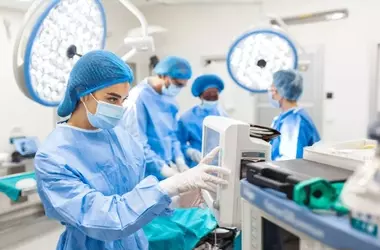
Anesthesiologist assistant training refers to structured graduate-level medical education programs designed to prepare healthcare professionals to assist anesthesiologists in the administration and management of anesthesia. These programs integrate biomedical sciences, clinical simulation, and supervised patient care. This article provides a neutral and systematic overview of anesthesiologist assistant training. It defines the concept, explains foundational medical knowledge and regulatory frameworks, examines educational and clinical mechanisms, discusses workforce and healthcare system context using authoritative data, and concludes with a summary and question-and-answer section. The structure follows a clear sequence: objective clarification, foundational concept analysis, core mechanisms and in-depth explanation, comprehensive contextual discussion, summary and outlook, and a Q&A section. All statistical data cited originate from recognized institutions, and source links are provided at the end of the document.
 By Chloe Davis
 Feb 13, 2026
Respiratory Therapist Courses: Structure, Principles, and Clinical Context
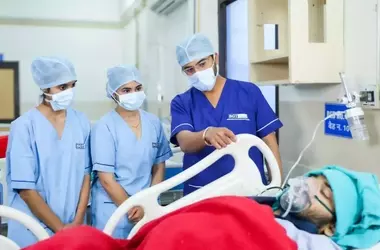
Respiratory therapist courses are structured educational programs designed to prepare individuals to assess, treat, and manage patients with respiratory and cardiopulmonary conditions. These programs provide theoretical knowledge in anatomy, physiology, pharmacology, and clinical procedures, alongside practical skills in airway management, mechanical ventilation, and patient monitoring. This article presents a neutral overview of respiratory therapist education, examining its foundational concepts, instructional mechanisms, clinical applications, workforce context, and regulatory frameworks. The discussion concludes with a summary, outlook, and a structured question-and-answer section. All data presented are drawn from authoritative sources.
 By Natalia Petrova
 Feb 13, 2026
Neurodiagnostic Technologist Course: A Neutral Scientific Overview of Education
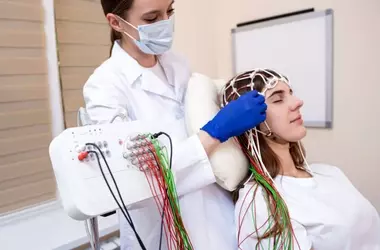
Neurodiagnostic technologist courses are structured educational programs designed to train professionals in the operation of diagnostic technologies that assess the electrical and physiological function of the nervous system. These courses prepare individuals to conduct procedures such as electroencephalography (EEG), evoked potentials (EP), and long-term monitoring studies under clinical supervision. This article provides a systematic and neutral overview of neurodiagnostic technologist education. It begins by defining the core concept and clarifying the article’s objective, followed by an explanation of foundational principles, the scientific mechanisms underlying neurodiagnostic testing, and a comprehensive discussion of educational pathways, labor statistics, and professional standards. The article concludes with a summary, outlook, and a structured question-and-answer section. All data cited are drawn from authoritative sources.
 By Diego Silva