Medical Education
Medical Imaging Training: Definition, Principles, and Clinical Applications

1. Objective
The objective of this article is to provide a neutral and systematic explanation of medical imaging training. It addresses key questions: What constitutes medical imaging training? What are the core technologies and principles involved? How is competence developed through training? What are the broader implications in healthcare settings? The discussion moves from basic definitions to mechanisms, practical application, and comprehensive evaluation.
2. Basic Concept Explanation
Medical imaging training refers to educational programs designed to teach professionals how to operate diagnostic imaging equipment and interpret medical images. Core elements include:
- Understanding human anatomy and physiology
- Operating imaging modalities such as X-ray, computed tomography (CT), magnetic resonance imaging (MRI), and ultrasound
- Image acquisition, processing, and quality assurance
- Radiation safety and patient care protocols
The goal is to ensure safe, effective, and accurate imaging that supports clinical decision-making.
3. Core Mechanisms and In-Depth Explanation
3.1 Imaging Modalities
Medical imaging training covers multiple modalities:
- X-ray Imaging: Uses ionizing radiation to produce images of dense structures such as bones.
- Computed Tomography (CT): Produces cross-sectional images using X-ray technology combined with computer reconstruction.
- Magnetic Resonance Imaging (MRI): Uses strong magnetic fields and radiofrequency pulses to produce detailed soft tissue images.
- Ultrasound: Employs high-frequency sound waves to generate real-time images, commonly used in obstetrics and cardiology.
- Nuclear Medicine: Uses radiotracers to assess physiological function and detect abnormalities.
3.2 Training Mechanisms
Training includes:
- Theoretical Instruction: Covers principles of physics, anatomy, imaging technology, and safety protocols.
- Practical Application: Hands-on sessions with equipment to develop technical competence in image acquisition and positioning.
- Simulation-Based Learning: Provides risk-free opportunities to practice procedures and troubleshoot equipment.
- Image Interpretation Training: Develops skills in analyzing images to identify normal and pathological findings.
3.3 Safety and Compliance
Medical imaging involves exposure to radiation in certain modalities. Training emphasizes:
- Understanding dose limits and regulations
- Use of shielding and protective equipment
- Patient preparation and positioning to minimize unnecessary exposure
- Regulatory and ethical compliance
These mechanisms ensure adherence to clinical and safety standards.
4. Comprehensive Overview and Objective Discussion
4.1 Clinical Applications
Medical imaging is used across multiple clinical contexts:
- Diagnosis: Identifying fractures, tumors, vascular diseases, and other conditions
- Treatment Planning: Guiding surgical interventions, radiation therapy, or minimally invasive procedures
- Monitoring: Assessing disease progression or treatment response
Training prepares professionals to operate equipment, acquire accurate images, and support clinical workflows.
4.2 Variability in Training Programs
Training programs differ based on:
- Modality specialization (e.g., MRI-focused, ultrasound-focused)
- Level of professional experience (entry-level technicians vs. advanced practitioners)
- Duration and intensity of practical exposure
- Integration of emerging technologies such as AI-assisted imaging
4.3 Assessment and Competency
Competency is assessed through:
- Written examinations covering technical principles
- Practical demonstration of equipment operation and patient handling
- Image interpretation exercises
- Compliance with safety protocols
These assessments provide structured measures of skill development.
4.4 Limitations and Considerations
Medical imaging training alone does not ensure diagnostic accuracy, as interpretation requires integration with clinical context, experience, and ongoing learning. Performance may also vary depending on patient characteristics, equipment quality, and procedural complexity.
5. Summary and Outlook
Medical imaging training is a structured educational process aimed at developing technical and interpretive skills for safe and effective use of diagnostic imaging technologies. It integrates theoretical instruction, practical exercises, simulation, and assessment mechanisms. Applications span diagnosis, treatment planning, and monitoring across healthcare settings. Ongoing advances, including digital imaging, artificial intelligence, and enhanced simulation, are likely to shape future training programs and professional competencies.
6. Q&A Section
Q1: What is the purpose of medical imaging training?
To develop the knowledge and skills necessary for operating imaging equipment, acquiring accurate images, and interpreting results.
Q2: Which imaging modalities are commonly covered?
X-ray, CT, MRI, ultrasound, and nuclear medicine.
Q3: How is practical competence developed?
Through supervised hands-on sessions, simulation-based practice, and structured assessments.
Q4: Does training eliminate all diagnostic errors?
No, training enhances technical competence and interpretive skills but diagnostic accuracy also depends on clinical judgment and experience.
Q5: What safety considerations are emphasized in training?
Radiation dose management, use of protective equipment, patient preparation, and regulatory compliance.
Sources
https://www.rsna.org/education/education-resources
https://www.asrt.org/main/education
https://www.ncbi.nlm.nih.gov/books/NBK500006/
https://www.who.int/news-room/fact-sheets/detail/medical-radiation-exposure
https://www.radiologyinfo.org/en/info.cfm

Contemporary dance choreographer and instructor exploring movement as a form of emotional expression.
Exploration ArchivesOther Articles
 Mar 30, 2026
First Aid Training: Principles, Techniques, and Educational Frameworks
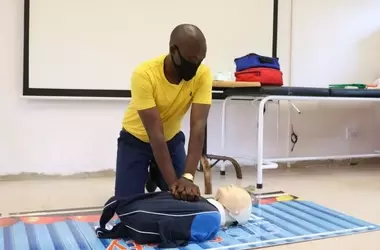
First aid training involves structured educational programs designed to equip individuals with the knowledge and skills necessary to respond effectively to medical emergencies. This article provides a neutral, evidence-based overview of first aid training, including definitions, underlying principles, core techniques, instructional strategies, and broader implications for public safety and health outcomes. A summary, outlook, and question-and-answer section conclude the discussion.
 By Chloe Davis
 Mar 27, 2026
Pharmaceutical Education Courses: Structure, Scientific Foundations, and Learning Systems
Pharmaceutical education courses refer to structured academic or training programs designed to develop knowledge related to medicines, including their discovery, formulation, regulation, and use. This article explains the concept of pharmaceutical courses, outlines their foundational scientific components, examines how learning mechanisms operate within these programs, and presents a neutral overview of their broader educational context. The discussion follows a structured sequence: objective clarification, basic concept analysis, core mechanisms, comprehensive discussion, summary and outlook, and a question-and-answer section.
 By Youssef Khoury
 Mar 26, 2026
Exploring Sleep Technologist Training: A Path to Working in Sleep Medicine
 By Natalia Petrova