Medical Devices
Massage Chairs: A Technical and Physiological Overview

A massage chair is a specialized mechanical furniture device designed to emulate the techniques of manual massage therapy through the integration of robotics, pneumatics, and electronic control systems. Unlike standard seating, massage chairs incorporate internal components that apply physical pressure, vibration, and thermal energy to the user’s body to alleviate muscle tension and promote relaxation. This article provides a neutral, scientific examination of massage chair technology, outlining its historical development, its core mechanical mechanisms, and the objective physiological impacts observed in clinical studies. The discussion will transition from basic engineering concepts to an in-depth analysis of "2D to 4D" movement systems, followed by an objective overview of safety standards and industry trends, concluding with a factual question-and-answer section.
Foundation: Basic Concepts of Mechanical Massage
The primary objective of a massage chair is to simulate the tactile sensations of human touch—specifically techniques such as kneading, rolling, tapping, and shiatsu. From a mechanical engineering perspective, these chairs are complex mechatronic systems.
The core components of a modern massage chair include:
- The Internal Frame: Often referred to as the "Track," which determines the path of the massage rollers.
- The Massage Engine: A motorized assembly (bollard or carriage) that moves along the track.
- Actuators and Airbags: Components that provide compression and targeted limb manipulation.
- Sensors: Infrared or pressure-based systems used to map the user’s spinal curvature and shoulder height.
Core Mechanisms and In-depth Analysis
The efficacy of a massage chair is determined by its mechanical "degrees of freedom" and its ability to adapt to human anatomy.
1. Track Configurations: S-Track vs. L-Track
- S-Track (Sinusoidal): Follows the natural S-curve of the human spine from the neck to the lower back. It allows rollers to maintain consistent contact with the vertebrae.
- L-Track (Long Track): Extends the S-track further down, wrapping under the seat to reach the gluteal muscles and hamstrings.
- SL-Track: A hybrid design currently standard in high-end units, combining spinal curvature tracking with extended reach.
2. Roller Movement: 2D, 3D, and 4D Systems
- 2D Massage: Rollers move on two axes: vertical (up and down) and horizontal (left and right).
- 3D Massage: Adds a third axis of depth. Rollers can protrude forward or retract, allowing the device to adjust the intensity of the pressure.
- 4D Massage: A marketing and technical term referring to variable speed control. It allows the rollers to accelerate or decelerate during a single stroke to mimic the rhythmic variations of a human therapist.
3. Pneumatic Compression (Airbag Technology)
While rollers handle the back, airbags are utilized for the extremities. These airbags are inflated and deflated by an internal air pump controlled by solenoid valves. This creates a "compression massage" that focuses on peripheral circulation and myofascial release in the arms, calves, and feet.
Presenting the Full Landscape and Objective Discussion
The integration of massage chairs into daily life is supported by various physiological observations, though results vary based on individual health status.
Clinical and Physiological Observations
According to research indexed by the National Institutes of Health (NIH), mechanical massage can influence biomarkers associated with stress and muscle recovery.
- Cortisol and Serotonin: Some studies indicate a measurable decrease in salivary cortisol (a stress hormone) and an increase in serotonin after a 15-to-30-minute session.
- Blood Pressure: Objective data suggests a transient reduction in systolic and diastolic blood pressure in some users due to vasodilation.
- Muscle Recovery: Research in the Journal of Physical Therapy Science notes that mechanical vibration and compression can assist in reducing Delayed Onset Muscle Soreness (DOMS) after exercise.
Objective Safety and Regulatory Standards
In the United States, the Food and Drug Administration (FDA) classifies certain massage chairs as Class I medical devices. Objective constraints include:
- Weight Capacity: Most residential units are engineered for a maximum load of 120kg to 150kg.
- Contraindications: Clinical literature advises that individuals with certain conditions—such as deep vein thrombosis (DVT), acute fractures, or advanced osteoporosis—should consult medical professionals before use due to the mechanical forces involved.
- Electrical Safety: Devices must adhere to standards such as UL (Underwriters Laboratories) or CE marking to ensure motor and heating element safety.
Summary and Future Outlook
Massage chair technology is currently moving toward Biometric Integration and AI-Driven Personalization. The future outlook involves the use of "Health Probes" or biosensors in the armrests that measure heart rate variability (HRV) and blood oxygen levels ($SpO_2$) to automatically adjust the massage program intensity.
Additionally, the industry is exploring Zero-Gravity Positioning, a concept derived from NASA research. By reclining the chair so the legs are elevated above the heart, the mechanical load on the spine is minimized, and the user’s weight is distributed more evenly across the chair's surface, theoretically enhancing the efficiency of the massage rollers.
Q&A: Factual Technical Inquiries
Q: What is the power consumption of a typical massage chair?
A: Most residential massage chairs operate between 150 and 300 watts during a full-cycle session, which is comparable to a large desktop computer or a small refrigerator.
Q: How does the "Body Scan" feature work?
A: When a user sits down, the rollers move up the track. Sensors (either infrared or physical resistance sensors) detect the location of the neck and shoulders. The internal computer then scales the programmed massage coordinates to fit the user's specific height.
Q: What is the lifespan of the internal mechanical components?
A: The durability of a massage chair is primarily limited by the motor brushes and the synthetic leather (PU) upholstery. High-use commercial units are typically rated for 1,000 to 3,000 hours of operation before significant mechanical maintenance is required.
Data Sources
- https://www.ncbi.nlm.nih.gov/pmc/articles/PMC7151151/
- https://www.accessdata.fda.gov/scripts/cdrh/cfdocs/cfPCD/classification.cfm?ID=ISA
- https://www.jstage.jst.go.jp/article/jpts/27/3/27_jpts-2014-488/_article
- https://www.ul.com/services/furniture-testing
- https://www.nasa.gov/smallsat-institute/sst-soa/guidance-navigation-and-control

Health consultant specializing in lifestyle disease prevention.
Exploration ArchivesOther Articles
 Jan 22, 2026
Portable Oxygen Concentrators: A Technical and Clinical Overview
This article provides a neutral, technical examination of Portable Oxygen Concentrators (POCs). It defines the device’s role in treating hypoxia and details the biochemical engineering principle of Pressure Swing Adsorption (PSA) utilizing zeolite molecular sieves. The text compares Pulse Dose and Continuous Flow delivery modes, evaluates objective performance constraints such as altitude and battery life, and references standards from the FDA and ATS. Finally, it outlines the transition toward micro-scale PSA technology and addresses common inquiries regarding sleep use and aviation safety.
 By Dr. Peter Van Dijk
 Jan 22, 2026
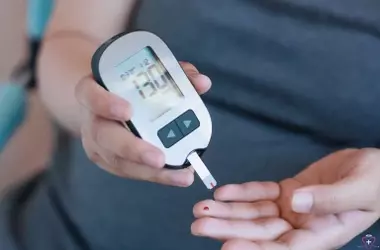
Understanding the Blood Glucose Monitor: A Comprehensive Technical Overview
This article provides a technical overview of the Blood Glucose Monitor, exploring its underlying scientific principles and current role in medical diagnostics. It begins by defining the device as a vital tool for measuring blood glucose concentrations, primarily for managing metabolic conditions.
 By Dr. Alejandro Ruiz
 Dec 30, 2025
Why Proper Use Matters in Medical Devices
Proper use of medical devicesrefers to the administration, operation, and maintenance of health-related instruments in strict accordance with manufacturer specifications, clinical guidelines, and regulatory standards. In the contemporary healthcare landscape, where sophisticated technology—ranging from automated blood pressure monitors to advanced insulin delivery systems—is increasingly utilized in non-clinical environments, the interface between the user and the machine becomes a critical determinant of data integrity and safety. This article provides a neutral, science-based exploration of the technical necessity for correct device operation. It details the foundational mechanics of human-device interaction, the physical and electronic consequences of operational errors, and the objective impact of "user technique" on clinical outcomes. The following sections follow a structured trajectory: defining the parameters of operational compliance, explaining the core mechanisms of signal accuracy and calibration, presenting a comprehensive view of technical risks and variables, and concluding with a technical inquiry section to address common questions regarding maintenance and error prevention.
 By Dr. Felipe Torres