Professional skills
Learn Python Skills: A Versatile Programming Skill for Modern Careers

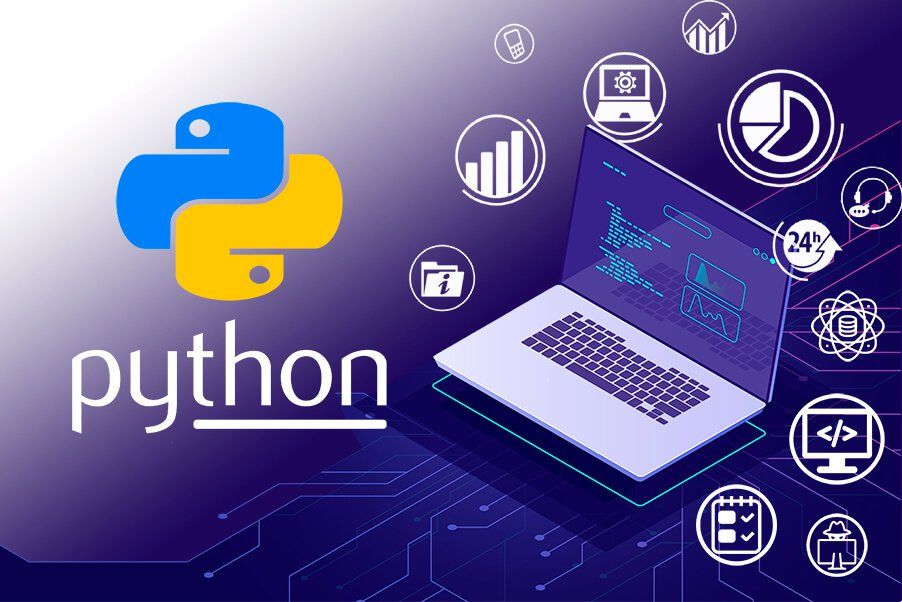
Learning Python skills has become one of the most effective ways to enter or advance within today’s technology-driven job market. Python is widely recognized for its simplicity, flexibility, and broad range of applications across industries. From software development and data analysis to automation, artificial intelligence, and business operations, Python plays a critical role in modern digital workflows.
Career-focused Python education emphasizes practical programming skills, real-world problem-solving, and job-ready competencies that align with current workforce demands.
What Does It Mean to Learn Python Skills?
To learn Python skills means developing the ability to write, understand, and apply Python code to solve practical problems. Python is a high-level programming language known for its readable syntax and efficient development process, making it accessible to beginners while remaining powerful for advanced users.
Unlike casual or hobby-based learning, career-oriented Python skills training follows a structured progression. Learners build foundational programming concepts first, then advance toward real-world applications relevant to professional environments.
Core Python Skills for Career Development
Programs designed to help learners acquire Python skills typically focus on a set of essential competencies, including:
- Python syntax and programming fundamentals
- Variables, data types, and control structures
- Functions and modular programming
- Working with files and data inputs
- Error handling and debugging techniques
- Using libraries and packages
- Writing clean, readable, and efficient code
- Applying Python to real-world tasks and projects
These core skills form a strong foundation for multiple technical and non-technical career paths.
Applications of Python Skills in the Workplace
Learning Python skills prepares individuals to apply programming knowledge across a wide range of professional use cases, such as:
- Data analysis and data processing
- Automation of repetitive tasks
- Web application development
- Scripting and system support
- Business reporting and analytics
- Scientific and technical computing
- Artificial intelligence and machine learning workflows
Because Python is widely adopted across industries, its skills remain highly transferable and future-proof.
Career Paths Supported by Python Skills
Strong Python skills can support a variety of career opportunities, including:
- Python Developer
- Software Developer
- Data Analyst
- Automation Engineer
- Business Intelligence Analyst
- Junior Data Scientist
- IT Support and Technical Analyst
- Application Support Specialist
Python skills also enhance employability for professionals in finance, healthcare, marketing, and operations roles that involve data or automation.
Learning Formats for Python Skills Education
Modern Python skills training is offered through flexible learning formats designed to meet different learner needs, such as:
- Online Python courses with guided instruction
- Self-paced Python learning programs
- Instructor-led virtual classes
- Hands-on coding labs and exercises
- Project-based Python training using real-world scenarios
These formats allow learners to develop Python skills while balancing work, study, and personal commitments.
Benefits of Learning Python Skills
Choosing to learn Python skills provides several long-term career advantages:
- High demand across technology and data-driven industries
- Beginner-friendly entry into programming careers
- Strong compatibility with data analysis and automation roles
- Transferable skills applicable to many job functions
- Faster development cycles compared to other languages
- A solid foundation for advanced fields such as AI and data science
Python skills often serve as a gateway to broader technical career development.
Who Should Learn Python Skills?
Python skills education is suitable for a wide range of learners, including:
- Beginners with no prior programming experience
- Career changers entering the technology or data field
- Business professionals seeking automation and analytics skills
- Students preparing for IT or data-related roles
- Professionals aiming to expand technical skill sets
Most Python training programs are designed to support learners from diverse educational and professional backgrounds.
Common Challenges in Learning Python Skills
Learning Python can still present challenges, especially for beginners unfamiliar with programming logic. Career-focused Python training helps learners overcome these challenges by providing:
- Step-by-step instruction with increasing complexity
- Clear explanations and practical coding examples
- Frequent hands-on practice and exercises
- Realistic projects that simulate workplace tasks
- Reinforcement of core programming concepts
With consistent practice, learners can build confidence and proficiency in Python programming.
Q&A: Learn Python Skills
Q: Is Python suitable for beginners?
A: Yes. Python is widely regarded as one of the most beginner-friendly programming languages.
Q: Are Python skills only useful for developers?
A: No. Python is used by data analysts, business professionals, researchers, and IT specialists.
Q: How long does it take to learn Python skills?
A: Basic Python skills can be developed relatively quickly, while advanced skills grow with continued practice.
Q: Can Python skills support career change?
A: Yes. Python is one of the most common entry points for professionals transitioning into technology and data roles.

Dynamic Portuguese language coach using music and social media to teach Brazilian culture and slang.
Exploration ArchivesOther Articles
 Dec 25, 2025
Learn SQL Skills: Developing Essential Database Skills for Data-Driven Careers
Learning SQL skills is a critical step for anyone pursuing a career in data, information technology, business analytics, or software-related fields. Structured Query Language (SQL) is the standard language used to manage, query, and analyze data stored in relational databases. As organizations increasingly rely on data to drive decisions, professionals with strong SQL skills are in high demand across industries.
 By Claire Simmons
 Dec 25, 2025
Learn Data Analysis Skills: Building Data-Driven Competencies for Modern Careers
Learning data analysis skills has become increasingly important in today’s data-driven economy. Organizations across industries rely on data to guide decision-making, improve efficiency, understand customer behavior, and optimize operations. As a result, professionals with strong data analysis skills are in high demand in fields such as business, healthcare, finance, technology, education, and marketing.
 By Antoine Dubois
 Dec 25, 2025
Learn Coding Skills: A Career-Focused Approach to Programming Education
Learning coding skills has become an essential step for individuals seeking career opportunities in the digital and technology-driven economy. Coding is no longer limited to software developers alone; it plays a critical role in fields such as business, healthcare, education, finance, data analysis, and engineering. As organizations increasingly rely on software systems and digital platforms, the ability to write, understand, and apply code has become a highly valuable professional skill.
 By Sarah Feldman