News
Jubilee's Role in Modern Public Discourse: A Double-Edged Sword?

Jubilee, an influential digital platform, has emerged as a significant arena for public debate in the contemporary era. Their content spans a wide array of contentious subjects, ranging from scientific disagreements, such as 'Flat Earthers vs Scientists,' to discussions on gender roles, exemplified by 'What Makes a Real Man?', and sociopolitical clashes like '1 Conservative vs. 20 Feminists.' This innovative approach to facilitating dialogue has positioned Jubilee as a key player in shaping online conversations, often bringing together individuals with vastly different perspectives to engage in direct exchanges.
However, the platform's methodology has not been without its critics. Spencer Kornhaber, a writer for The Atlantic, drew parallels between Jubilee and the provocative 'Jerry Springer Show,' suggesting that its format, while engaging, might prioritize spectacle over substantive discussion. A recent video, '1 Progressive vs 20 Far-Right Conservatives,' particularly ignited a firestorm of criticism. This piece, which quickly went viral, provoked strong reactions, with many arguing that it risked legitimizing and disseminating extremist viewpoints, thereby contributing to a more polarized public sphere. The incident has spurred a critical examination of how digital media platforms influence the broader landscape of public discourse and the responsibilities they bear in managing the content they host.
The rise of platforms like Jubilee highlights a critical juncture in the evolution of public discourse. While offering unprecedented opportunities for varied voices to be heard, they also present challenges regarding the ethical presentation of diverse, sometimes extreme, viewpoints. It is imperative for both creators and consumers of digital content to engage critically, fostering environments that encourage thoughtful debate while safeguarding against the unintentional legitimization of harmful ideologies. By consciously seeking out balanced perspectives and holding platforms accountable, we can collectively work towards a more informed and constructive public dialogue, promoting understanding and progress in an increasingly complex world.
CNN anchor known for his coverage of major global events and sober, factual delivery.
Other Articles
 Aug 11, 2025
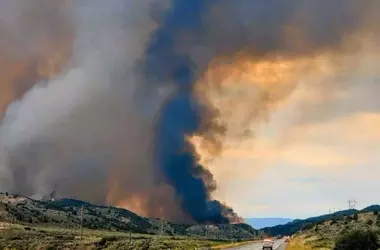
Colorado Wildfires Rage, Exceeding 120,000 Acres as Firefighters Battle Adverse Conditions
Massive wildfires in western Colorado, fueled by high winds and arid conditions, have consumed over 120,000 acres. The Lee Fire, one of the primary blazes, has prompted evacuations in two counties, including a correctional facility, and threatened the town of Meeker. Firefighting efforts are intensified, bolstered by a surge of resources, as crews work to establish containment lines and protect communities amidst the relentless, drought-exacerbated infernos.
By Ann Curry Aug 10, 2025
Former Child Star Alyson Stoner Discovers Financial Mismanagement
Alyson Stoner, a former child star known for roles in 'Camp Rock' and 'Step Up,' recently uncovered significant financial mismanagement spanning over a decade of their career. Expecting to find substantial earnings from their early acting work, Stoner instead found an empty bank account. This discovery led to an investigation into their past finances, revealing overpayments and excessive spending by their former business team, including an unmonitored annual salary drawn by their mother. Despite the financial setbacks, Stoner chose not to pursue legal action, prioritizing personal protection over public exposure.
By Mona Chalabi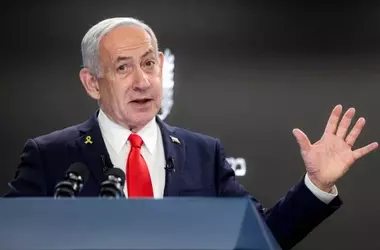 Aug 10, 2025
Netanyahu Defends Gaza Seizure Plan Amidst International Outcry
Israeli Prime Minister Benjamin Netanyahu recently reiterated his intent to take control of Gaza City and other parts of the Gaza Strip, despite widespread global condemnation and domestic protests. This strategy involves significant population displacement and military mobilization. The plan has sparked severe international criticism, with concerns rising about a deepening humanitarian crisis, starvation, and the endangerment of hostages. International bodies and several nations have voiced strong opposition, highlighting the potential for increased conflict and suffering in the region.
By Anderson Cooper