Medical Devices
Infusion Pumps: A Neutral Overview of Concepts, Mechanisms, and Clinical Context

1. Clarifying the Objective
The objective of this article is to explain the concept of infusion pumps and describe their role in healthcare practice. The discussion focuses on several key questions:
- What is an infusion pump, and what are its primary functions?
- What foundational principles guide its operation?
- How do different types of infusion pumps work, and what mechanisms are involved?
- What clinical, technological, and regulatory factors influence the use and design of these devices?
Following a structured sequence—objective clarification, foundational concept analysis, mechanism explanation, holistic discussion, summary, and questions and answers—ensures a comprehensive understanding of infusion pumps.
2. Basic Concept Analysis
An infusion pump is a device that administers fluids, drug, or nutrients into a patient’s body in a precise and controlled manner, typically through intravenous, subcutaneous, or epidural routes. Infusion pumps are used in various clinical scenarios, including fluid replacement, anesthesia, chemotherapys, pain management, and parenteral nutrition.
Key concepts in infusion pump technology include flow rate control, volume monitoring, dose accuracy, and safety mechanisms. Flow rates are measured in milliliters per hour (mL/h) and are adjusted based on patient needs, medication type, and clinical protocol. Accuracy and consistency are critical because deviations can lead to under-dosing or over-dosing, which may affect patient outcomes.
Infusion pumps are distinct from gravity-fed IV systems in that they offer programmable precision, alarms for occlusions or errors, and integration with electronic medical records in some healthcare facilities. They are classified based on functionality, delivery method, and clinical application.
3. Core Mechanisms and In-Depth Explanation
Infusion pumps operate through a combination of mechanical, electronic, and software-based mechanisms.
Types of Infusion Pumps
- Volumetric Pumps: Deliver fluids at a consistent flow rate using a motor-driven mechanism.
- Syringe Pumps: Utilize a syringe to push precise volumes of fluid into a patient over a defined period.
- Ambulatory Pumps: Portable devices designed for outpatient use, often with battery operation.
Flow Control and Measurement
Infusion pumps employ sensors and microprocessors to regulate fluid flow. Mechanisms include peristaltic rollers, piston-driven syringes, or diaphragm-based systems. The devices monitor delivered volume and rate in real time and adjust operation to maintain programmed parameters.
Safety Features and Alarms
Modern infusion pumps incorporate alarms for occlusion, air-in-line detection, low battery, and completion of infusion. Software often includes dose-error reduction systems, limit-setting protocols, and lockout functions to prevent accidental over-infusion.
Integration with Clinical Workflows
Infusion pumps can be interfaced with electronic health records or medication administration systems to document treatment and enhance traceability. This integration aid in medication management, reduces manual errors, and supports clinical auditing.
Together, these mechanisms provide a controlled, precise, and monitored method of fluid delivery, reflecting engineering and clinical standards.
4. Presenting the Full Picture and Objective Discussion
Infusion pumps are widely used in hospitals, clinics, and home healthcare settings. Their adoption has increased with advances in device miniaturization, digital control systems, and patient safety standards. Regulatory frameworks, such as those established by the U.S. Food and Drug Administration (FDA) and the International Electrotechnical Commission (IEC), guide device design, testing, and reporting to ensure reliability and safety.
The clinical relevance of infusion pumps is significant, particularly in critical care, oncology, and anesthesia. Data from healthcare studies indicate that the precise administration of medication through pumps reduces variability in dosing compared to manual infusion methods, potentially enhancing treatment outcomes.
Limitations include device complexity, the need for operator training, and dependence on power sources. Technical malfunctions, programming errors, or maintenance lapses can affect performance, highlighting the importance of standardized training, preventive maintenance, and adherence to institutional protocols.
5. Summary and Outlook
In summary, infusion pumps are medical devices that deliver fluids and medications with high precision and control. Training, design, and operational protocols emphasize accuracy, safety, and integration into clinical workflows. The devices combine mechanical, electronic, and software-based systems to monitor and adjust fluid delivery, supporting diverse medical applications.
Future developments may include enhanced wireless connectivity, artificial intelligence–assisted dosing, and advanced integration with hospital information systems. While the core principle of precise fluid administration remains constant, technological advancements continue to influence the design, functionality, and application of infusion pumps.
6. Questions and Answers
What is an infusion pump used for?
It is used to deliver fluids, medications, or nutrients into a patient’s body in a controlled and precise manner.
How do infusion pumps differ from manual IV systems?
Infusion pumps offer programmable precision, real-time monitoring, and safety alarms, whereas manual systems rely on gravity and manual adjustments.
What safety features are included in modern infusion pumps?
Alarms for occlusion, air-in-line, low battery, dose limits, and completion notifications are commonly integrated.
Can infusion pumps be used outside hospitals?
Yes, portable or ambulatory pumps are designed for outpatient or home use, although training and monitoring remain necessary.
https://www.fda.gov/medical-devices/general-hospital-devices-and-supplies/infusion-pumps
https://www.ncbi.nlm.nih.gov/books/NBK499897/
https://www.who.int/medical_devices/assessment_infusion_pumps
https://www.mddionline.com/intravenous-infusion-pumps
https://www.iso.org/standard/51580.html

Other Articles
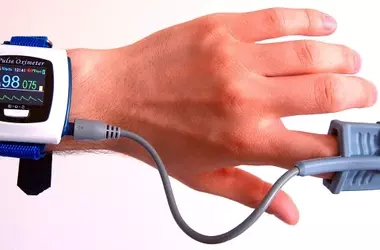 Feb 09, 2026
Pulse Oximeters: A Neutral Scientific Overview
Pulse oximeters are devices designed to estimate the oxygen saturation level of arterial blood and, in many cases, measure pulse rate using noninvasive optical techniques. This article presents a purely educational and neutral overview of pulse oximeters, explaining their definition, foundational concepts, operating mechanisms, application contexts, and objective considerations related to accuracy and limitations. The discussion follows a structured sequence: clarifying objectives, basic concept explanation, core mechanisms with in-depth analysis, a comprehensive and balanced discussion, a summary with outlook, and a factual question-and-answer section. The content is intended exclusively for information explanation and knowledge transmission, without recommendations, assurances, or persuasive intent.
 By Dr. Mei Wong
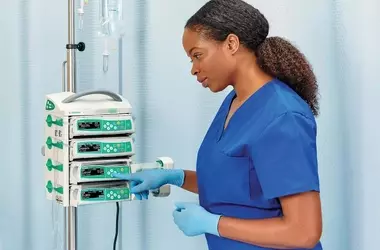 Feb 09, 2026
Infusion Pumps: A Neutral Scientific Overview
Infusion pumps are medical devices designed to deliver fluids, nutrients, or medications into the body in a controlled and measurable manner. This article provides a purely informational and neutral overview of infusion pumps, explaining their fundamental definition, basic concepts, operating mechanisms, application contexts, and broader considerations related to safety and standardization. The discussion follows a structured sequence: clarifying objectives, introducing foundational concepts, examining core mechanisms in detail, presenting a comprehensive and objective perspective, summarizing key points with an outlook, and concluding with a factual question-and-answer section. The content serves exclusively for knowledge dissemination and does not include recommendations, assurances, or persuasive language.
 By Dr. Ibrahim Khalil
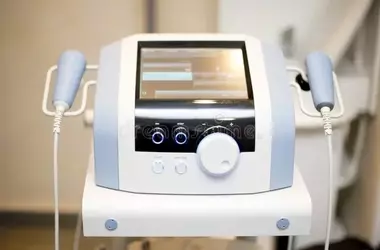 Feb 09, 2026
Ultrasound Equipment: A Neutral Scientific Overview
Ultrasound equipment refers to a category of diagnostic and industrial devices that utilize high-frequency sound waves to visualize internal structures, detect material properties, or support measurement and monitoring tasks. This article provides a neutral, science-oriented overview of ultrasound equipment, focusing on its fundamental definition, core principles, operating mechanisms, application scope, and broader considerations. The discussion follows a structured path: clarifying objectives, explaining foundational concepts, detailing underlying mechanisms, presenting a comprehensive and balanced perspective, and concluding with a summary and outlook. A final question-and-answer section addresses common factual inquiries. The content is intended solely for information dissemination and knowledge transfer, without any promotional or advisory intent.
By Dr. Mei Wong