News
Hamas's Qualified Acceptance of Trump's Middle East Peace Initiative

A New Chapter: Hamas's Conditional Engagement with the Peace Plan
Unpacking the Latest Announcement: Hamas's Stance on the Peace Proposal
Recent footage has emerged, revealing that Hamas has offered a qualified acceptance of the peace framework put forth by the previous American administration. This unexpected move introduces a fresh dynamic into the ongoing dialogue surrounding the Middle East conflict, prompting widespread discussion among international observers.
Analyzing the Nuances: What a Partial Acceptance Truly Means
The term 'partial acceptance' suggests that Hamas's endorsement comes with specific conditions or reservations. Understanding these intricacies is crucial for deciphering the potential trajectory of peace negotiations and the feasibility of implementing the proposed solutions. Experts are now scrutinizing the details to determine the extent of their commitment.
The Trump Peace Plan: A Brief Overview and Its Regional Impact
The peace initiative in question, spearheaded by former President Trump, aimed to address long-standing disputes in the Middle East. Its principles and objectives have been a subject of intense debate since its inception. Hamas's response, even if conditional, injects new life into discussions about its viability and potential for influencing regional stability.
Geopolitical Ripples: How This Development Could Reshape Regional Dynamics
Any movement from a key player like Hamas regarding a major peace proposal is bound to create significant ripples across the geopolitical landscape. This partial agreement could either pave the way for renewed diplomatic efforts or highlight existing impasses, fundamentally altering the nature of future engagements in the Middle East.
Looking Ahead: Implications for Future Peace Efforts and International Relations
The current situation necessitates a thorough examination of its long-term consequences. While a complete resolution remains distant, Hamas's acknowledged engagement, however limited, could serve as a critical juncture, influencing subsequent peace initiatives and the broader context of international relations concerning the Palestinian-Israeli conflict.
Data journalist and illustrator making statistics accessible for The Guardian and others.
Other Articles
 Oct 04, 2025
Insurance Industry Urges Swift Action on ACA Subsidies Amidst Government Shutdown
Insurance leaders nationwide are pressing for an immediate extension of Affordable Care Act (ACA) premium tax credits, citing the impending open enrollment period and potential premium spikes. Despite the ongoing government shutdown, a Republican insurance commissioner from North Dakota emphasizes the urgent need to act before November 1st to prevent millions of Americans from facing unaffordable healthcare costs, a sentiment echoed by regulators across the political spectrum.
By Anderson Cooper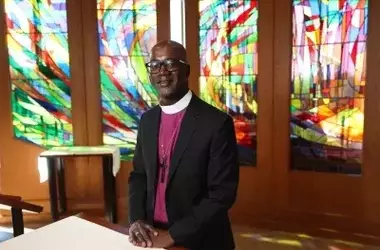 Oct 05, 2025
ELCA Welcomes First Black Presiding Bishop, Yehiel Curry
The Evangelical Lutheran Church in America (ELCA) has made history by installing Rev. Yehiel Curry as its first Black presiding bishop. This significant event marks a new chapter for the predominantly white denomination. Curry, succeeding Rev. Elizabeth Eaton, who was the first woman to hold the position, aims to foster greater connection and inclusivity within the church during his six-year term. His unique journey from social worker and teacher to church leader, deeply rooted in a multicultural worship experience, underscores a growing emphasis on diversity within Lutheranism.
By Ann Curry Oct 05, 2025
Bipartisan Consensus Emerges on Involuntary Treatment for Homeless Individuals
Amidst rising concerns over homelessness, mental health crises, and drug addiction in American cities, a surprising bipartisan alignment is emerging regarding civil commitment. While former President Trump advocates for mandatory institutionalization, several Democratic-led states like Oregon, California, and New York are also expanding involuntary medical care options. This approach aims to address public order and safety, but also sparks debate over individual liberties, treatment costs, and the availability of adequate resources for long-term care.
By Christianne Amanpour