News
Governor's Rejection of Summer Food Assistance Plan Sparks Outcry Across Texas

Texas Governor Greg Abbott has stirred widespread concern after rejecting a $60 million state proposal designed to assist low-income families through the federal Sun Bucks program. The initiative aimed to provide $120 per eligible child during summer months, when access to school meals is limited. Advocates argue that this aid would have been crucial in addressing food insecurity for thousands of children across the state. While many school districts, including Dallas ISD, continue to offer summer meal programs and prepare food distributions, the absence of the Sun Bucks funding leaves a significant gap in support. Abbott justified his veto by citing uncertainty around federal matching funds, but critics say families already live with such unpredictability daily.
The Sun Bucks program was intended to act as a vital lifeline for families who rely on free school meals throughout the academic year. During summer breaks, when these services are scaled back or unavailable, many households struggle to afford groceries. Melinda Hillis, a spokesperson for Dallas ISD’s Food and Child Nutrition Services, emphasized that while schools remain committed to feeding students year-round, additional support from initiatives like Sun Bucks would have eased the burden on vulnerable families. The district continues to operate breakfast and lunch programs over the summer and plans to roll out food basket distributions in collaboration with local food banks and pantries.
Governor Abbott defended his decision by pointing to the instability of federal funding sources for similar programs. In his official veto statement, he expressed reservations about potential fluctuations in federal contributions, suggesting that such uncertainty could place undue financial strain on the state budget. However, advocates counter that this reasoning overlooks the immediate needs of families currently facing food shortages. They argue that waiting for guaranteed federal backing neglects the pressing reality for millions of Texans who must choose between essential expenses like rent, utilities, and food.
Hunger relief organizations have responded with strong disapproval of the veto. Feeding Texas, a statewide network of food banks, described the move as deeply discouraging, especially given that nearly 25% of Texas children already experience food insecurity. These groups stress that effective policy should prioritize direct aid to struggling families rather than withhold assistance due to speculative fiscal concerns. With the summer season underway and demand for food assistance rising, many question whether the state will revisit its position or explore alternative strategies to bolster existing school and community-based meal programs.
As local school districts press forward with their own summer feeding efforts, uncertainty lingers over the future of state-supported food aid beyond this season. While grassroots organizations and educators work tirelessly to fill the void, the debate highlights broader challenges in addressing hunger among children and underscores the need for long-term, stable solutions that can withstand shifting political and economic conditions.
Pulitzer Prize-winning investigative journalist who helped break the Watergate scandal.
Other Articles
 Jun 24, 2025
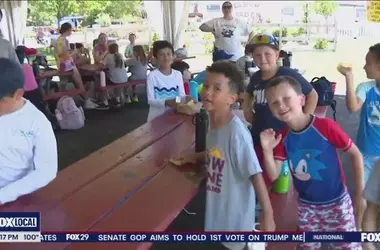
Elbow Lane Day Camp Kicks Off 57th Season Amid Scorching Temperatures
Elbow Lane Day Camp in Warrington, Pa., began its 57th season amid extreme heat, with about 500 children aged three to 14 participating. Despite temperatures exceeding 100 degrees, campers enjoyed outdoor activities with added water games, shade, and extra pool time. Staff monitored for signs of heat exhaustion and ensured hydration. Children expressed enthusiasm despite the heat, sharing tips like drinking water and enjoying swimming. Parents were encouraged to hydrate kids beforehand, and relief was expected later in the week.
By Ann Curry Jun 25, 2025
Proposed Delay in Oregon's Campaign Finance Regulations Sparks Debate
Oregon House Minority Leader Christine Drazan introduced a bill to delay the implementation of landmark 2024 campaign finance reforms until 2031, citing concerns over readiness. Originally set to begin in 2027, the rules aimed to limit donations and improve transparency. However, Oregon’s Secretary of State warns the current law is difficult to enforce and may require more time and funding to implement effectively. The proposal has sparked controversy, with critics accusing lawmakers of undermining public will and delaying accountability in campaign financing.
By Rageh Omaar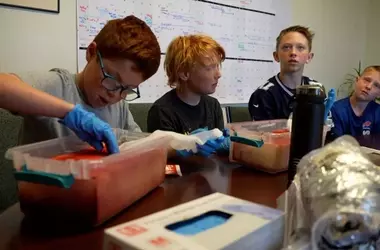 Jun 24, 2025
Empowering Youth: Teaching Wilderness First Aid to Young Adventurers
In Helena, Montana, children aged nine to 14 are learning essential wilderness first aid skills through classes offered by Montana Health and Safety Training. These courses teach kids how to handle outdoor injuries and emergencies, including treating animal bites, using an EpiPen, performing CPR, and managing wounds. The program also covers survival tips like what to do if lost in the wilderness and how to signal for help. By gaining these skills, children feel more confident and prepared for outdoor adventures, ensuring they can assist themselves and others in emergency situations.
By Christianne Amanpour