News
Gaza Humanitarian Crisis: Desperate Scramble for Aid

A recent satellite observation, captured by Planet Labs, presented a stark image of the severe humanitarian crisis unfolding in the Gaza Strip. The imagery depicted hundreds of individuals converging on a fleet of aid trucks as they navigated through the debris-strewn southern region, underscoring the profound distress and urgent need for assistance among the populace.
This incident is not isolated; since the onset of the conflict, humanitarian convoys have frequently been overwhelmed by desperate crowds before reaching their intended destinations. The situation has become increasingly dire, with warnings from aid organizations about an impending famine. Tragically, many have lost their lives in the perilous pursuit of food, succumbing to gunfire near aid distribution points or during frenzied scrambles for supplies. Videos from the ground corroborate these scenes, showing people clamoring onto trucks to secure provisions like food rations, a stark testament to the desperate measures individuals are taking to feed their families. While some successfully acquire aid, a subset is driven by dire circumstances to resell these vital supplies at exorbitant prices, further complicating the humanitarian efforts and highlighting the desperate economic conditions.
These harrowing events underscore a critical global challenge: the imperative to ensure humanitarian aid reaches those in desperate need, particularly in conflict zones. The imagery and accounts from Gaza serve as a powerful reminder of the human cost of prolonged conflict and the urgent call for concerted international efforts to protect civilian lives and facilitate unimpeded access to essential resources. Addressing such crises demands not only immediate relief but also sustainable solutions that prioritize human dignity and stability.
Veteran BBC and OZY journalist, author, and commentator on US politics and women's issues.
Other Articles
 Jul 29, 2025
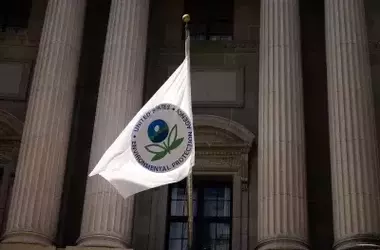
Trump Administration's EPA Moves to Deregulate Greenhouse Gases, Sparking Controversy
The Trump administration's Environmental Protection Agency (EPA) has unveiled a contentious proposal to revoke a 2009 finding that classified greenhouse gases as a public endangerment. This move directly challenges the legal foundation for regulating emissions from vehicles and power plants, aiming to dismantle climate change policies. Critics argue this decision disregards scientific consensus and jeopardizes public health and environmental protection amidst escalating global warming impacts.
By Michele Norris Jul 29, 2025
Senate Confirms New CDC Director, Marking a Historic Shift
The U.S. Senate has confirmed Susan Monarez as the new director of the Centers for Disease Control and Prevention (CDC). This marks a significant moment as Monarez is the first director to undergo Senate confirmation and the first in over 70 years without a medical degree. Her appointment comes at a critical time for the agency, which has faced staffing challenges and funding concerns. Monarez is set to address key issues including restoring trust, modernizing public health infrastructure, and rapidly responding to disease outbreaks.
By Carl Bernstein Jul 29, 2025
Ethical Dilemmas Arise Over Deputy Attorney General's Role in Epstein Inquiry
Questions are being raised about the appropriateness of Deputy Attorney General Todd Blanche's direct involvement in the Jeffrey Epstein investigation. His recent closed-door meeting with Ghislaine Maxwell, a key figure in the Epstein case, has drawn scrutiny given Blanche's prior role as Donald Trump's personal lawyer. Critics argue that this personal involvement could compromise the perceived impartiality of the Justice Department, particularly amidst ongoing public skepticism surrounding the handling of the Epstein scandal. Concerns also extend to the unusual nature of a high-ranking official conducting such an interview without standard protocols, potentially eroding public trust in the administration's commitment to justice.
By Rageh Omaar