ParentsKids
From Sideline to Spotlight: The Unexpected Journey of Coaching Youth Sports

Empower Your Children Through Sports: A Transformative Experience
Coaching competitive youth sports often mirrors the complexities of parenthood, amplifying both triumphs and tribulations in concentrated doses. It's a realm where the flaws in our character are laid bare, forcing us to confront aspects we may have previously overlooked. This article delves into the intricate dynamics of coaching, offering insights into fostering team spirit, embracing individual talents, and managing parental anxieties.
Unveiling Hidden Talents
In the world of youth sports, discovering hidden talents can be as rewarding for coaches as it is for the athletes themselves. One of the most fulfilling aspects of coaching lies in identifying skills that may not immediately surface during routine practices. For instance, consider the case of a child who initially seemed destined for mediocrity in sports. Under the guidance of a perceptive coach, this same child blossomed into a formidable goalkeeper, proving that every player has unique strengths waiting to be unearthed.
This process requires patience and keen observation. Coaches must resist the urge to impose preconceived notions of what constitutes talent. Instead, they should focus on creating an environment where each child feels valued and encouraged to explore their potential fully. By doing so, coaches not only enhance team performance but also contribute significantly to the self-esteem and confidence of their players.
Navigating Parental Expectations
Parental involvement in youth sports can sometimes blur the lines between support and pressure. Many parents inadvertently project their own aspirations onto their children, expecting them to excel in areas that resonate with their unfulfilled dreams. However, effective coaching demands a shift in perspective. It involves recognizing and respecting the distinct paths each child wishes to pursue.
To achieve this, coaches must cultivate open communication channels with both parents and players. Encouraging honest discussions about goals and expectations helps align everyone's vision, reducing unnecessary stress. Furthermore, emphasizing the importance of intrinsic motivation over external validation ensures that children remain passionate about their chosen activities without feeling overwhelmed by external pressures.
Redefining Success in Youth Sports
Success in youth sports extends beyond winning trophies or achieving top rankings. It encompasses fostering a love for the game, promoting teamwork, and instilling lifelong values such as resilience and perseverance. As a coach, understanding this broader definition of success allows you to tailor your approach accordingly.
For example, shifting focus from high-intensity training sessions to enjoyable practice environments can significantly enhance player engagement and performance. Additionally, prioritizing mental health through supportive pre-game talks rather than intense pep rallies demonstrates the value placed on holistic development. Such strategies not only improve immediate outcomes but also lay a strong foundation for future achievements.
Managing Competitive Urges
Competitiveness is inherent in sports, yet its manifestation varies widely among individuals. Some coaches embrace it wholeheartedly, while others struggle against deeply ingrained beliefs favoring rationality and calmness. Recognizing and managing these competitive urges is crucial for maintaining balance within teams.
A key strategy involves adopting a growth mindset, viewing competition as an opportunity for learning rather than solely as a measure of success or failure. This perspective encourages players to focus on continuous improvement instead of fixating on results. Moreover, incorporating elements of fun into competitive scenarios ensures that enjoyment remains central to the sporting experience, reinforcing positive associations with effort and achievement.
Author of "This Book Is Anti-Racist," focusing on raising inclusive, socially conscious children.
Other Articles
 Apr 21, 2025
Summer Nutrition Initiative Launched by Boise School District
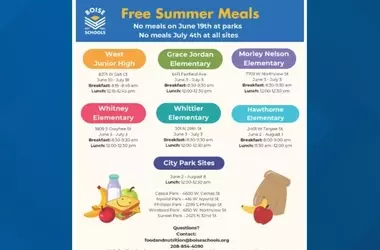
The Boise School District is offering free meals to children aged 1-18 this summer through the federally funded Summer Food Service Program, running from June 3 to August 8. This initiative provides breakfast and lunch regardless of family income or school enrollment status, aiming to bridge the nutritional gap during the summer break. Meals are available at multiple schools and parks across Boise, with varying dates and times. Notable exceptions include no meals on June 19 at parks and July 4 at all sites. The program complements the district’s existing free breakfast initiative and serves thousands of children each summer, emphasizing community support beyond academics. For detailed locations and service times, additional resources are provided.
By Dr. Carlos González Apr 21, 2025
Teaching Young Minds About Financial Responsibility Through Easter Fun
In Lima, Ohio, an annual Easter tradition teaches children about finances through a unique egg hunt. Councilman Derry Glenn partnered with city officials and Savior’s Grace Ministries to give four children golden eggs containing $100 for opening bank accounts. This initiative, now in its fourth year, aims to instill financial literacy and encourage responsible money management from a young age. Pastor Claytonia Logan emphasized the importance of early financial education, citing its role in fostering responsible adults. Parents or guardians must co-sign accounts for participants under 18. The program seeks broader adoption to benefit more children.
By Dr. Carlos González Apr 21, 2025
Bringing Science to Life for Young Minds
Martha Wiley, a retired math and science teacher from Iowa, has authored the "Kids on the Move" book series to engage young children with physical science concepts through relatable stories and play. Each of the seven books in the series addresses a real-life issue faced by children, introducing topics like gravity, energy, and motion in an accessible way. Illustrated by her daughter Michelle Mirakian, the books encourage interactive learning by suggesting household items for related activities. Wiley continues to promote the series through readings and activities at libraries and schools, with plans to expand the collection and increase its availability in local bookstores. Her goal is to bridge the gap in children's literature that focuses on physical sciences rather than life sciences.
By Nigel Latta