ParentsKids
Florida's Battle Over Social Media Regulation: A Legal Tug-of-War

Amidst growing concerns over the impact of social media on young users, Florida is witnessing a significant legal confrontation. The state's Attorney General, James Uthmeier, has swiftly moved to appeal a federal court decision that temporarily halts a new law designed to regulate children’s access to social media platforms. This legislation aims to restrict social media account creation for minors under 16, sparking debates about free speech and parental rights. Industry groups have challenged the law, arguing it infringes upon First Amendment protections. Meanwhile, an ongoing dispute with Snapchat highlights further complications in enforcing these regulations.
The core of the controversy centers on balancing child protection with constitutional freedoms. Proponents believe the law addresses harmful addictive features prevalent on social platforms, while critics emphasize the importance of allowing parents to guide their children's digital interactions. As the appeals process unfolds, the implications of this case could reshape how states approach regulating technology and its influence on younger generations.
Challenging Constitutional Boundaries: The Legal Perspective
This section examines the judicial reasoning behind the preliminary injunction against Florida's proposed regulation. Federal Judge Mark Wilson's ruling suggests that the law may violate fundamental principles of free expression as outlined in the First Amendment. By siding with tech industry advocates NetChoice and the Computer & Communications Industry Association, the court underscores the preference for individual discretion over government-imposed restrictions.
In his comprehensive 58-page decision, Judge Wilson articulated that enabling parents to manage problematic content themselves aligns better with established First Amendment doctrines than imposing blanket prohibitions at the source. He emphasized that parents are uniquely positioned to make tailored decisions regarding their children's engagement with various platforms based on personal circumstances. Furthermore, the judge anticipated an inevitable appeal from Attorney General Uthmeier but chose not to suspend his ruling during the appellate proceedings, reinforcing the significance of upholding constitutional safeguards even amidst contentious legislative measures.
Enforcement Challenges: Spotlight on Snapchat
Beyond the broader legal challenge, specific enforcement issues arise concerning Snapchat's compliance with the contested law. Attorney General Uthmeier accuses Snapchat of knowingly violating provisions by granting accounts to users below the permissible age without obtaining necessary parental approvals. This accusation forms part of a separate lawsuit initiated in Santa Rosa County, which complicates matters further as it intersects with the larger constitutional debate.
Snapchat's legal team contends that the statute unconstitutionally restricts minors' access to communication tools by mandating parental consent, thereby abridging their First Amendment rights. They requested that Judge Wilson pause the state-level litigation until resolution of the primary constitutional questions brought forth by industry groups. Conversely, Uthmeier seeks to return the case to state jurisdiction, illustrating the intricate interplay between different legal frameworks. Ultimately, whether resolved through appellate courts or reconsideration within state boundaries, this aspect of the saga exemplifies the multifaceted nature of implementing such sweeping regulatory changes across diverse technological landscapes. The outcome will likely serve as a precedent-setting moment influencing future attempts to legislate internet usage among youth populations nationwide.
Pediatrician and author promoting attachment parenting and breastfeeding in the Spanish-speaking world.
Other Articles
 Jun 04, 2025
Summer Nutrition Initiative Ensures Children Stay Fed Across Northeast Missouri
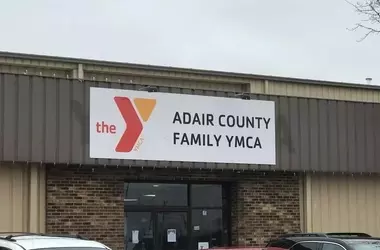
The Adair County Family YMCA in Kirksville, Missouri, is ensuring that children from needy families receive three nutritious meals daily throughout the summer. Breakfast is served at the YMCA and the Adair County Public Library in the morning, while lunch is available at six different locations across the town. Dinner is provided at the YMCA and the library in the evening. All meals include healthy food and milk, with possible additional activities for kids at each site. Note that both the YMCA and library are closed on Sundays. This initiative will conclude on August 11th.
By Tiffany Jewell Jun 04, 2025
KATSEYE: The Global Girl Group Set to Ignite the 2025 Kids’ Choice Awards
KATSEYE, a global girl group formed through HYBE and Geffen Records' The Dream Academy, will perform their Billboard Hot 100 hit "Gnarly" at the 2025 Kids’ Choice Awards. Hosted by Tyla, the event airs live on June 21 from Santa Monica. KATSEYE, comprising members from the Philippines, South Korea, Switzerland, and the U.S., gained recognition with their debut EP *SIS (Soft Is Strong)* and are featured on Billboard’s 21 Under 21 list for 2025. Their second EP, *Beautiful Chaos*, releases on June 27. The group received nominations at the 2025 iHeartRadio Music Awards and performed at major events like New York Fashion Week and Lollapalooza. They are the first performers announced for this summer's biggest party, which will feature epic slimings and air globally across multiple networks.
By Emily Oster Jun 04, 2025
Legal Hurdles for Youth-Oriented Social Media Legislation
A federal judge has issued a preliminary injunction against Florida's HB 3, a law regulating youth social media use, citing First Amendment violations. Chief U.S. District Judge Mark Walker's ruling supports trade groups NetChoice and the Computer and Communications Industry Association, temporarily halting HB 3 until legal proceedings conclude. The law aimed to prohibit social media access for users under 14 and required parental consent for those aged 14-16. While acknowledging parental concerns, Judge Walker noted other provisions already empower parents. Florida plans to appeal the decision to the 11th U.S. Circuit Court of Appeals. This ruling aligns with recent injunctions against similar legislation in Utah and California.
By Kim John Payne