News
Federal Probes Into Hospitals for Religious Objections to Gender-Affirming Care Intensify

Recent federal inquiries into healthcare institutions, including the University of Michigan Health system, signal an intensifying debate surrounding religious exemptions in medical practice, particularly concerning gender-affirming care. These investigations, spearheaded by the Department of Health and Human Services (HHS), arise from allegations that medical professionals were terminated or faced repercussions for seeking religious accommodations. This development has ignited a complex discussion about the scope of conscience laws and their application in modern healthcare, raising concerns among legal scholars about potential shifts in anti-discrimination protections for transgender patients.
The current administration has initiated multiple probes into healthcare providers, a departure from previous interpretations of existing legislation. One prominent case involves Valerie Kloosterman, a former physician assistant at the University of Michigan Health-West, who asserts she was unjustly dismissed after requesting a religious exemption from her duties, which included providing referrals for gender-affirming treatments. This particular incident, which began with a lawsuit filed by Kloosterman in 2022, has now drawn the attention of federal authorities, casting a spotlight on the delicate balance between religious freedom and patient care.
Legal experts observe that these investigations represent a novel application of the Church Amendments, federal statutes initially designed to permit healthcare entities and individuals to decline involvement in abortions or sterilizations. Traditionally, these amendments had a more circumscribed scope, not extending to all forms of care based on moral or religious beliefs. Critics argue that the current administration's interpretation significantly broadens these protections, potentially enabling providers to refuse gender-affirming care or to misgender patients, an outcome not explicitly covered by the original text of the amendments.
Conversely, advocates for religious freedom view these federal actions as a commendable reinforcement of existing safeguards for medical professionals. Organizations supporting Kloosterman contend that these investigations affirm the right of healthcare workers to refuse participation in procedures that conflict with their deeply held convictions. They maintain that the focus is not on denying care to LGBTQ+ individuals but on upholding the constitutional rights of individuals who object to specific medical practices on religious grounds.
The ramifications of these investigations are substantial for healthcare systems. The HHS, with its oversight of a significant portion of healthcare funding, could theoretically impose severe penalties, including the withdrawal of Medicare and Medicaid funds. However, legal scholars suggest such actions would be unprecedented and potentially unlawful. The very act of initiating these investigations, according to some experts, places healthcare organizations in a challenging position, compelling them to navigate conflicting federal mandates: anti-discrimination laws that require equal treatment for transgender patients versus an administration seemingly prioritizing the religious objections of some employees. This intricate legal and ethical landscape underscores a broader cultural and political tension, signaling a deliberate stance by the HHS in the ongoing debate over LGBTQ+ rights in healthcare.
The unfolding situation highlights a contentious intersection of religious liberties, anti-discrimination principles, and the provision of healthcare services. The federal government's engagement in these cases indicates a proactive stance in interpreting and enforcing conscience protections for healthcare workers, a move that is drawing both support and significant scrutiny from various stakeholders across the nation.
Award-winning journalist and former NBC News anchor and Today show co-host.
Other Articles
 Jul 07, 2025
Devastating Floods Engulf Kerr County, Texas
Kerr County, Texas, bears the brunt of recent catastrophic flooding, resulting in a significant death toll and widespread devastation. NPR's Juana Summers reports from the scene, detailing the immense impact on the community and the ongoing search and rescue efforts. The Guadalupe River's furious surge has left a trail of destruction, highlighting the urgent need for recovery and support.
By Lester Holt Jul 08, 2025
Macron's UK State Visit: A Strategic Alliance Amidst Global Challenges
French President Emmanuel Macron embarks on a significant state visit to the UK, engaging with Prime Minister Keir Starmer and King Charles III. This visit underscores a critical period for both nations as they navigate complex domestic political landscapes and an unpredictable international stage, marked by ongoing geopolitical tensions and the need for strengthened bilateral cooperation.
By Mona Chalabi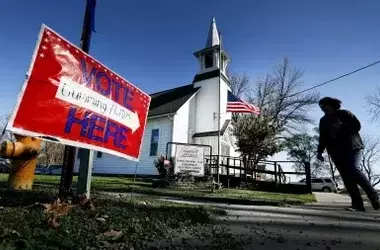 Jul 08, 2025
IRS Revises Stance on Religious Institutions' Political Endorsements
The Internal Revenue Service (IRS) has announced a significant shift in its policy, allowing religious organizations to endorse political candidates without jeopardizing their tax-exempt status. This move departs from a long-standing rule established in 1954, known as the Johnson Amendment, which prohibited such endorsements. The decision stems from a recent court filing, clarifying the IRS's interpretation of political engagement by religious groups.
By Katty Kay