News
Evacuation Underway at Greenville Grocery Store Following Afternoon Fire

A fire broke out on Tuesday afternoon at a Food Lion located on 10th Street in Greenville, prompting an immediate evacuation of the premises. Emergency services were dispatched around 3:20 p.m. to the scene near the intersection of Greenville Boulevard. The store was safely cleared by staff with no reported injuries to employees or emergency responders. Local utility crews and police were also present to support the operation. While the cause of the incident remains under investigation, authorities have confirmed that the situation has been contained and damage assessments are currently underway.
The incident unfolded during a typically busy time for the supermarket, drawing concern from nearby residents and shoppers who were in the area. Witnesses reported seeing smoke coming from the rear of the building before emergency vehicles arrived on site. Officials quickly established a perimeter and coordinated efforts to ensure public safety while minimizing disruption to the surrounding neighborhood.
Firefighters worked swiftly to bring the flames under control, aided by utility teams who secured gas and electrical lines as a precautionary measure. Police officers managed traffic and crowd control, redirecting pedestrians and vehicles away from the affected zone. Despite the intensity of the response, calm was maintained throughout the operation thanks to efficient communication between departments.
As investigations continue into what triggered the blaze, the store’s management is working closely with local authorities to determine next steps. Customers were advised to seek alternative shopping locations until further notice. Community members expressed relief that no one was harmed, though many voiced curiosity about potential hazards that may have contributed to the event.
With the fire now extinguished and initial inspections completed, attention turns to recovery and restoration efforts. Updates regarding the store's reopening and findings from the ongoing inquiry are expected to be released publicly in the coming days.
Data journalist and illustrator making statistics accessible for The Guardian and others.
Other Articles
 Jun 24, 2025
Reassessing the Reputation of Seed Oils: New Research Challenges Popular Beliefs
A recent study presented at the American Society for Nutrition challenges the belief that seed oils are unhealthy. The research, involving nearly 1,900 participants, found that higher levels of linoleic acid—a fatty acid present in seed oils like sunflower, canola, and sesame—were linked to lower risks of heart disease and Type 2 diabetes due to reduced inflammation. This contradicts claims by wellness influencers that seed oils are harmful. While experts agree these oils are low in saturated fats, they suggest balancing intake with other healthy fats and not relying heavily on seed oils in cooking.
By Lester Holt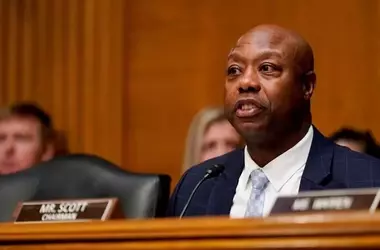 Jun 24, 2025
Political and Financial Scrutiny Intensifies as Fed Chair Faces Senate Inquiry
Federal Reserve Chair Jerome Powell faces scrutiny during Senate testimony over the Fed’s $2.5 billion headquarters renovation, criticized as excessive amid economic struggles. Republican senators, led by Tim Scott, question the spending and allege growing politicization of the Fed’s regulatory agenda. They cite the Fed's shifting stance on climate initiatives as evidence. The Fed defends the renovations as necessary for infrastructure upgrades. Powell reaffirms the central bank's commitment to remaining non-political.
By Lester Holt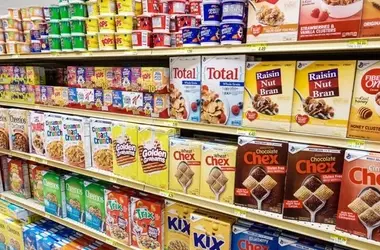 Jun 24, 2025
Texas Pioneers New Food Labeling Law to Influence Consumer Choices
Texas has passed a new law requiring warning labels on food products containing certain additives not recommended by authorities in Australia, Canada, the EU, or the UK. These labels must be clearly visible and could impact popular items like Doritos and M&M’s. The law, the first of its kind in the U.S., may lead companies to reformulate products or face legal challenges. It also mandates increased physical activity in public schools and nutrition education in universities. A state-appointed committee will guide health policies, while medical professionals will need nutrition training to maintain licenses.
By Isabel Allende