News
Escalating Tensions: White House Scrutinizes Federal Reserve's Billion-Dollar Renovation Amidst Interest Rate Disagreements

A multi-billion dollar refurbishment of the Federal Reserve's Washington D.C. headquarters has ignited a fresh round of contention between the central bank and the executive branch. This expensive undertaking, initially projected at $1.9 billion but now estimated to cost $2.5 billion, has drawn sharp criticism from the current administration, which has consistently pressed the Fed for more aggressive interest rate reductions. Senior White House officials, including the Director of the National Economic Council, have publicly questioned the necessity and extravagance of the project, labeling it the city's most expensive and demanding accountability from the Fed.
Federal Reserve Chairman Jerome Powell has defended the renovation efforts, clarifying that many of the more sensational accusations regarding opulent upgrades are unfounded. He asserted that much of the work involves replacing existing materials, such as marble, and addressing unforeseen issues like lead and asbestos removal, alongside accounting for general inflation in construction costs. Despite these explanations, the White House continues to exert pressure, even dispatching a letter to Chairman Powell expressing deep concern over his management, including the renovation. The administration's attempts to influence the Fed extend to appointing loyalists to the National Capital Planning Commission, an entity that, while traditionally not directing the Fed's building projects, now serves as another avenue for scrutiny.
Ultimately, the controversy surrounding the building's renovation appears to be a superficial manifestation of a deeper disagreement over monetary policy. The administration's primary concern remains the Federal Reserve's hesitance to significantly cut interest rates, a move the White House believes would stimulate the economy and ease the burden of national debt. Experts suggest that these attacks are part of a calculated strategy to undermine Chairman Powell's position, given the legal limitations on presidential intervention in the Fed's leadership. The independence of the central bank from political influence is crucial for maintaining its credibility as a guardian against inflation, and any erosion of this autonomy could have detrimental long-term consequences for the nation's financial stability and the well-being of its citizens.
This ongoing dialogue underscores the vital importance of transparent governance and responsible financial management within public institutions. It emphasizes that even in times of political discord, the commitment to fiscal prudence and adherence to established protocols are paramount. Upholding the integrity and independence of bodies like the Federal Reserve ensures that decisions are made based on sound economic principles rather than short-term political expediency, ultimately serving the greater good and fostering a more stable and prosperous future for all.
Noted journalist and author, though primarily known as a novelist, her work often comments on social and political issues.
Other Articles
 Jul 14, 2025
Trump's Evolving Stance on Russia-Ukraine Conflict
Former President Trump has recently demonstrated a notable shift in his approach to the ongoing conflict between Russia and Ukraine. Over a mere two-week span, he initially halted then reinstated military aid to Ukraine, while also vocalizing increasing dissatisfaction with President Putin's escalating aggression. This evolving strategy culminates in a proposed NATO agreement aimed at brokering a ceasefire within 50 days, backed by threats of significant tariffs and enhanced military support for Ukraine. The critical question remains: will this more assertive posture yield tangible results and endure?
By Isabel Allende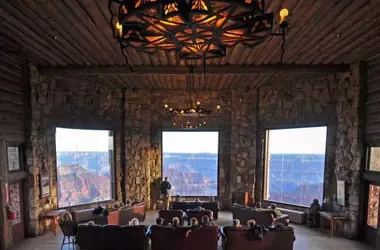 Jul 14, 2025
Grand Canyon Lodge Faces Second Destruction by Wildfire, Raising Rebuilding Questions
The historic Grand Canyon Lodge, a cherished fixture on the North Rim, has been consumed by a recent wildfire, marking its second destruction. This beloved hotel, originally built in the late 1920s and rebuilt after a 1932 fire, served as the sole accommodation on the secluded North Rim. Its loss, alongside other park structures, has prompted investigations and closures, raising concerns about its future and the broader impacts on national parks.
By Michele Norris Jul 14, 2025
The Fading Allure of Superhero Cinema: A Reflection of Shifting American Identity
The latest Superman film's box office performance signals a broader decline in the superhero genre's popularity. Once a cinematic titan, these films now struggle to achieve the monumental success of a decade ago. This shift transcends simple 'superhero fatigue,' reflecting deeper societal changes within the United States. The genre's close ties to American ideals and global influence suggest its diminishing appeal mirrors a fracturing national narrative and growing public skepticism about the country's direction and values.
By Rageh Omaar