ParentsKids
Climate Change Amplifies Mosquito-Borne Diseases

The warming climate is creating ideal conditions for mosquitoes to thrive, leading to an increase in mosquito-borne diseases. With longer and hotter summers altering weather patterns, these pests are spreading to new regions. Despite their small size, mosquitoes pose significant health risks, affecting thousands of Americans annually with illnesses like West Nile Virus.
Misconceptions about mosquitoes abound, such as the belief that they only spread diseases in tropical climates. In reality, mosquito-borne diseases have been reported across nearly all U.S. states. Rising temperatures enhance their ability to multiply, even in small amounts of standing water.
Understanding Mosquito Diversity and Disease Spread
There are over 3,700 species of mosquitoes, far more than commonly believed. Contrary to popular opinion, these insects do not confine themselves to tropical regions; they are adapting to new environments due to climate change. Diseases such as West Nile, dengue fever, chikungunya, Zika, and yellow fever are now appearing in previously unaffected areas.
As global temperatures rise, certain mosquito species become increasingly efficient at transmitting diseases. These pests require minimal resources to breed—a mere tablespoon of stagnant water suffices. Common household items like pet dishes and flower pots can serve as breeding grounds. Public awareness campaigns highlight the importance of eliminating standing water weekly and using effective repellents.
Preventing Mosquito-Borne Illnesses
To safeguard against mosquito-borne diseases, experts recommend practical measures. Draining standing water around homes, applying EPA-approved insect repellents containing DEET, and wearing protective clothing are essential strategies. Observing dead birds in neighborhoods may indicate the presence of West Nile Virus, prompting immediate contact with local mosquito control authorities.
Symptoms of mosquito-related illnesses vary from mild fevers to severe neurological complications. Parents should monitor children closely after potential exposure, seeking medical attention promptly for signs of high fever, rash, or joint pain. Additionally, checking the EPA website ensures the safety and suitability of repellents for different age groups. Proactive steps can significantly reduce the risk of infection while fostering community-wide awareness of this growing public health concern.
Co-author of "How to Talk So Kids Will Listen & Listen So Kids Will Talk," a cornerstone of respectful parenting.
Other Articles
 May 20, 2025
Free PFAS Blood Testing Proposed for Impacted Michigan Communities
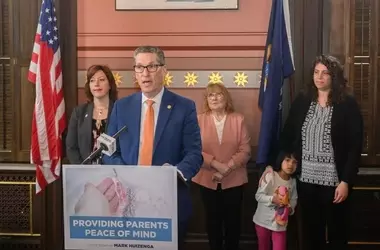
Michigan lawmakers Sen. Mark Huizenga (R) and Rep. Julie Rogers (D) have introduced bipartisan legislation to offer free PFAS blood testing for children under 11 years old by January 1, 2012, residing in Kent, Ottawa, or Kalamazoo counties, where water supplies exceeded state PFAS limits. This initiative aims to provide affected families with peace of mind and critical health information. Eligible families will receive free testing, counseling, and further resources if needed. Healthcare providers can inform families about the program and order tests with parental consent, addressing ongoing concerns from PFAS contamination sites like Kalamazoo County. The effort underscores a commitment to protecting children's health through awareness and proactive measures.
By Dr. Benjamin Spock May 20, 2025
Tragic Child Neglect Cases Spark Reflection on Societal Responsibility
The article discusses two tragic cases of child neglect in metro Detroit last winter, highlighting societal failures in protecting vulnerable children. In one incident, two children died from carbon monoxide poisoning while living in a van with their family after being evicted. The father reportedly did not support his children despite being asked. In another case, three children were found living in squalid conditions in Pontiac since 2020, allegedly abandoned by their mother. These incidents raise questions about community and systemic responsibilities in preventing such tragedies and ensuring children's welfare. The author calls for collective action and reflection on providing better care and support for children in need.
By Adele Faber May 19, 2025
EU Mulls Unified Digital Age Restriction for Minors
A document obtained by POLITICO reveals that countries are urging Brussels to set an EU-wide age of digital adulthood, requiring parental consent for minors to access social media platforms like TikTok, Instagram, and Snapchat. This proposal will be discussed by EU digital ministers in early June, with Denmark prioritizing child online protection during its upcoming EU presidency. Danish officials, including Prime Minister Mette Frederiksen, support banning social media use for those under 15. The initiative reflects growing dissatisfaction among European capitals with the slow pace of Brussels' regulatory actions and emphasizes the need for collective European measures to protect children from online risks. French President Emmanuel Macron has championed this cause over the past year, advocating for a "digital majority" at age 15.
By Nigel Latta