News
Biosphere 2: From 90s Joke to Global Research Hub

Nestled in the heart of the Sonoran Desert, near Tucson, Arizona, stands an extraordinary multi-level greenhouse facility known as Biosphere 2. This monumental glass pyramid, an architectural marvel reminiscent of a mid-century world's fair, extends over three acres and is composed of 6,500 individual windows, reaching a soaring height of 91 feet. Beyond its striking exterior, hidden within a labyrinth of subterranean machinery, lies a series of self-contained ecosystems: a thriving rainforest, a miniature ocean with a gently lapping shore, and meticulously recreated mangrove wetlands and fog desert landscapes. These diverse environments are not merely exhibits but active laboratories, silently contributing to our understanding of the planet's intricate biological and hydrological processes.
While Biosphere 2 initially garnered public attention and even became the subject of comedic references following its early, tumultuous human habitation experiments in the 1990s—missions that faced challenges like declining oxygen levels and internal strife—its narrative has since undergone a significant transformation. Once a privately funded venture, it is now owned and operated by the University of Arizona. This shift marked a profound change in focus: from an attempt at human self-sufficiency in an artificial environment, it evolved into a dedicated center for cutting-edge environmental research. The facility now serves as a crucial site where scientists conduct in-depth studies aimed at helping humanity navigate the complexities of climate change on Earth, often referred to as Biosphere 1. Although acknowledging that replicating Earth's vast complexity is an impossible feat, the controlled conditions of Biosphere 2 offer an unparalleled setting for collecting invaluable data and observing ecological interactions.
The innovative research currently underway at Biosphere 2 covers a wide spectrum of environmental challenges. For instance, within its tropical rainforest, researchers are investigating the heat tolerance of essential crops like cacao and coffee, providing insights that could safeguard global food supplies in a warming world. In the fog desert biome, efforts are underway to protect endangered species, such as the Quitobaquito pupfish, by establishing a 'fish bank' to aid their repopulation and study their genetic adaptation. Meanwhile, the facility's extensive ocean ecosystem, filled with 700,000 gallons of seawater, is a hub for coral reef restoration research, where scientists are developing techniques to help repopulate degraded natural reefs. Furthermore, the Landscape Evolution Observatory (LEO), an unassuming but scientifically rich area, explores the dynamics of water movement through landscapes, shedding light on watershed resilience under changing conditions. Beyond these specific projects, Biosphere 2 also engages in agrovoltaics – a practice combining agriculture with solar energy generation – and even contributes to the broader conversation about human space exploration, illustrating its continued relevance and multifaceted approach to global scientific inquiry.
Biosphere 2's journey from a grand, yet sometimes ridiculed, experiment to a respected scientific institution underscores the importance of persistent inquiry and adaptation in the face of complex global challenges. Its ongoing research provides crucial insights into ecological resilience, climate change impacts, and sustainable practices, offering a tangible beacon of hope for our planet's future. By pushing the boundaries of environmental science within its unique enclosed world, Biosphere 2 continues to inspire and inform our collective efforts towards a more sustainable and harmonious coexistence with nature.
CNN anchor known for his coverage of major global events and sober, factual delivery.
Other Articles
 Jul 07, 2025
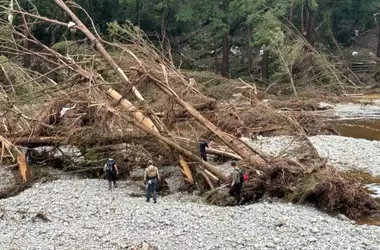
Devastating Floods Engulf Texas Hill Country, Leaving Dozens Dead and Many Missing
The Texas Hill Country is grappling with the aftermath of severe flooding that has claimed numerous lives and left many unaccounted for. The Guadalupe River experienced an unprecedented surge, destroying homes and displacing residents. Rescue efforts are ongoing, with state authorities and volunteers tirelessly searching for victims, including campers from a girls' summer camp. Survivors recount harrowing escapes, while families anxiously await news of their missing loved ones. The community faces immense challenges in rebuilding and healing from this catastrophic natural disaster.
By Katty Kay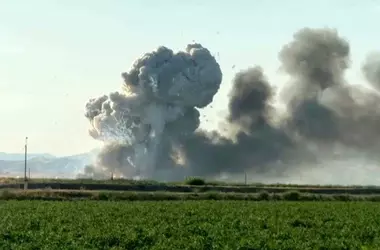 Jul 07, 2025
Devastating Fireworks Warehouse Explosion Claims Seven Lives in California
Seven individuals tragically lost their lives in a powerful fireworks warehouse explosion in Esparto, California. The catastrophic blast ignited a large wildfire and caused the building's collapse in Yolo County, near Sacramento. Authorities have confirmed the recovery of all missing persons' remains, with an ongoing investigation to determine the cause of this devastating incident that also left two people injured.
By Katty Kay Jul 06, 2025
Iran's Supreme Leader Reappears After Conflict
Iran's Supreme Leader Ayatollah Ali Khamenei made his first public appearance since the recent 12-day conflict between Israel and Iran, attending a significant mourning ceremony in Tehran. His return to the public eye comes after a period of seclusion during the intense hostilities, marked by U.S. involvement and Iranian retaliatory actions. The conflict caused significant damage and casualties, raising ongoing questions about Iran's nuclear program and future negotiations. This appearance signals a potential shift in the aftermath of heightened regional tensions.
By Rageh Omaar