Medical Devices
Biochemical Analyzers: An Objective, Explanatory Overview

1. Objective (Purpose of this article — what will be covered)
This article seeks to clarify what a biochemical analyzer is, summarize the common laboratory uses and sample types, explain the principal measurement technologies that underpin these instruments, and present a balanced account of operational considerations such as quality control, calibration, and typical workflow roles in a clinical laboratory. The following sections appear in the stated order: Basic Concepts; Core Mechanisms and Detailed Explanation; Full Scope and Objective Discussion; Conclusion and Outlook; Question-and-Answer.
2. Basic Concepts
A biochemical analyzer is an instrument used in medical laboratories to measure chemical components in biological specimens (for example: serum, plasma, whole blood, and urine). Typical analytes include metabolites (glucose, urea), electrolytes (sodium, potassium), enzymes (alanine aminotransferase, creatine kinase), proteins (total protein, albumin), and certain small molecules. The primary purpose of such measurements is to produce quantitative laboratory data that assist in clinical interpretation of health and disease states. Clinical laboratories operate biochemical analyzers at various scales, ranging from compact devices intended for limited test menus to large automated systems designed for high-throughput processing.
3. Core Mechanisms and Detailed Explanation
3.1 Common Measurement Principles
Several physical and chemical measurement principles are implemented in modern biochemical analyzers:
- Photometry / Colorimetry: Many assays rely on light absorption (spectrophotometry) where a chemical reaction produces a colored product whose absorbance is proportional to analyte concentration. Photometric methods form a major class of routine biochemical tests.
- Enzymatic Rate Measurements: For substrates such as glucose or creatinine, enzyme-catalyzed reactions produce measurable changes (for example, change in absorbance over time); rate-based enzymatic assays are commonly used for quantification.
- Ion-Selective Electrodes (ISEs): Electrochemical sensors that respond selectively to specific ions (for example, sodium, potassium, chloride) are used to measure electrolyte concentrations. The measurement is based on electrochemical potential and the Nernst equation.
- Turbidimetry and Nephelometry: Some analytes are measured by the turbidity caused by particle formation (for example, immunoassays using particle-enhanced turbidimetric inhibition). Turbidimetric methods quantify light scattering as a proxy for analyte concentration.
- Other Techniques: Additional approaches (e.g., potentiometry for pH, and various specialized immunoassay formats) are integrated in some analyzer platforms depending on test menus and clinical needs.
3.2 Instrument Components and Workflow
A biochemical analyzer typically includes subsystems for sample handling (barcoding, aliquoting), reagent delivery (pumps, dispensers), reaction containers (cuvettes or flow cells), optical or electrochemical detectors, and onboard software for calculation and result reporting. High-throughput instruments often add robotic sample transport and middleware interfaces for laboratory information systems. Historical and technical overviews describe the progressive integration of automation, information technology, and measurement technology in the laboratory environment.
3.3 Calibration, Quality Control, and Method Validation
Analytical measurements require calibration against known references and ongoing quality control (QC) to detect drift or malfunction. Professional standards and regulatory frameworks describe procedures for calibration verification, method validation, and QC frequency. Recommended practices often include establishing a target mean and standard deviation for control materials and performing repeated measures to characterize imprecision. Regulatory documents outline the need for calibration verification consistent with the complexity of the test and the testing environment.
4. Presenting the Full Picture: Objective Discussion
4.1 Typical Use Cases and Laboratory Roles
Biochemical analyzers are used across hospital, reference, and outpatient laboratory settings to support diagnosis, monitoring, and treatment decisions. Selection of a particular analyzer or test menu is a laboratory operational matter and depends on throughput requirements, available space, and the laboratory’s scope of services. The instruments are part of broader laboratory processes that include sample collection, pre-analytical handling, result verification, and post-analytical reporting.
4.2 Performance Factors and Variability
Analytical performance can vary between instrument models and over time on the same instrument. Sources of variability include reagent lot differences, instrument maintenance status, environmental conditions, and operator procedures. Inter-instrument comparison and harmonization efforts are described in the literature and affect clinical comparability of results across sites. Systematic evaluation and ongoing monitoring of instrument performance are elements of laboratory quality management.
4.3 Standards and Guidance
Standards organizations and clinical laboratory regulatory bodies publish guidance on method evaluation, quality assurance practices, and documentation for laboratory testing. These documents provide frameworks for laboratories to perform method validation, define acceptance criteria, and implement QC plans appropriate to the clinical context and regulatory environment.
5. Conclusion and Outlook
Biochemical analyzers are instruments that translate chemical and electrochemical phenomena into quantitative clinical data. Measurement principles and instrument architectures have evolved toward greater automation and integration with laboratory information systems. Quality assurance, including calibration and regular control procedures, remains a central operational requirement. Future trends in laboratory measurement emphasize interoperability, method harmonization, and the continued refinement of analytical techniques and workflows. The text above is informational and does not offer recommendations on procurement, selection, or operational policies.
6. Question-and-Answer (Concise, neutral responses)
Q1: What sample types are commonly analyzed?
A: Common sample types include serum, plasma, whole blood, and urine. Additional body fluids are analyzed in specialized circumstances.
Q2: How is analytical accuracy maintained?
A: Accuracy is maintained through calibration with reference materials, routine quality control measurements, method validation, and adherence to standards and regulatory guidance.
Q3: Are multiple measurement methods used on a single platform?
A: Some analyzer platforms integrate several measurement principles (for example, photometry and ISE modules) to expand the test menu within a single system.
Q4: Where to find authoritative guidance on laboratory practice?
A: Standards and procedural guidance are published by recognized bodies and regulatory agencies; laboratories consult these documents when developing validation, calibration, and QC policies.
(End of article body. The list below contains only the web addresses from authoritative sources cited above, provided verbatim as requested.)
https://pmc.ncbi.nlm.nih.gov/articles/PMC4204236/
https://www.ncbi.nlm.nih.gov/books/NBK535358/
https://www.sciencedirect.com/topics/chemistry/ion-selective-electrode
https://clsi.org/shop/standards/
https://www.cms.gov/files/document/clia-brochure-calibration-and-calibration-verification-april-2006.pdf
https://myadlm.org/cln/articles/2015/august/quality-control-parameters
https://pmc.ncbi.nlm.nih.gov/articles/PMC10806288/
https://pmc.ncbi.nlm.nih.gov/articles/PMC4287082/
https://www.tandfonline.com/doi/full/10.4155/bio.11.311

Other Articles
 Mar 05, 2026
Immunoassay Analyzers: Principles, Mechanisms, and Their Role in Modern Laboratory Diagnostics
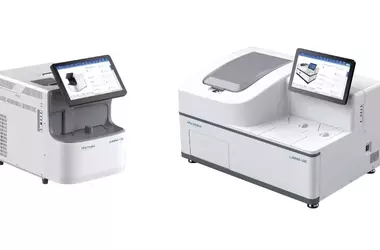
Immunoassay analyzers are laboratory instruments designed to detect and measure specific biological substances through antigen–antibody interactions. These systems are widely used in clinical laboratories to quantify hormones, infectious disease markers, tumor markers, and other biomolecules in blood or other biological samples. This article provides a structured and neutral overview of immunoassay analyzers. It first defines the objective of the discussion, then explains essential concepts related to immunoassay testing, followed by a detailed explanation of the mechanisms underlying these systems. The article then presents a comprehensive overview including operational contexts, limitations, and regulatory considerations. Finally, it summarizes key points and concludes with a question-and-answer section addressing common informational topics related to immunoassay analyzers.
 By Dr. Mei Wong
 Mar 05, 2026
Electrocardiographic Monitors: What They Are, How They Work, and What the Evidence Shows
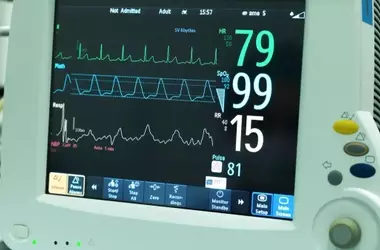
This article explains the core concept of cardiac monitoring devices that record and display the heart’s electrical activity (commonly called electrocardiographic or ECG monitors). It clarifies the article’s objectives and then moves through six ordered sections: Objective; Basic Concepts; Core Mechanisms and Detailed Explanation; Comprehensive Overview and Objective Discussion; Summary and Outlook; and a Questions & Answers section. The tone is neutral and informational. Key factual claims are supported by authoritative sources listed at the end.
 By Anjali Deshpande
 Mar 04, 2026
Medical Stapler: Principles, Mechanisms, and Clinical Context
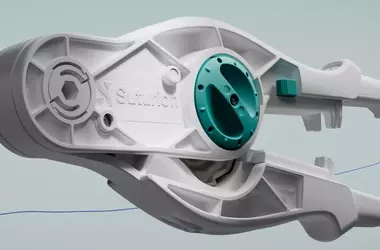
A medical stapler is a surgical device designed to approximate tissues using standardized metal or absorbable staples in place of traditional hand suturing. It is widely used in open and minimally invasive procedures to close skin incisions, connect internal organs, or resect tissue segments. This article presents a structured and neutral scientific overview of medical staplers. It begins by defining the concept and outlining the discussion objectives, followed by clarification of foundational principles. The text then explains core operating mechanisms, examines clinical applications and limitations in a comprehensive and objective manner, and concludes with a forward-looking perspective. A factual question-and-answer section addresses common technical inquiries. The purpose is exclusively informational and educational.
By Anjali Deshpande