News
Atlanta's BeltLine: A Transformative Urban Corridor

The Atlanta BeltLine stands as a remarkable testament to urban reimagination, converting disused railway tracks into dynamic public pathways. Since its initial phase in 2012, this ambitious $900 million endeavor has successfully reclaimed almost 13 miles of a 22-mile derelict rail network, weaving through the heart of the Georgian capital. The Eastside Trail, its pioneering segment, has blossomed into a popular 2.4-mile promenade, featuring expansive green spaces, diverse dining options, retail establishments, hotels, and commercial structures, drawing in major corporations like Intuit and attracting future tenants such as electric vehicle manufacturer Rivian.
With an annual foot traffic exceeding 2.5 million visitors, the BeltLine has catalyzed over $9 billion in private sector investments within the city, according to Atlanta BeltLine Inc., the public entity overseeing its development. This extensive project, which also incorporates approximately 11 miles of ancillary trails branching off the main loop, has presented Atlantans—long accustomed to automotive reliance—a refreshing glimpse into a more pedestrian-friendly existence. The recent unveiling of a 1.3-mile stretch on the West Side, seamlessly linking previously isolated trail sections, has been met with enthusiasm by local residents, offering enhanced connectivity and recreational avenues. For instance, a Georgia Institute of Technology project manager recently enjoyed an unhindered electric skateboard journey from his residence in Howell Station to Washington Park, bypassing congested streets entirely.
This transformative infrastructure project exemplifies how visionary urban planning can breathe new life into neglected spaces, fostering community well-being and economic prosperity. By converting industrial relics into vibrant green corridors, the BeltLine not only enhances the quality of life for its residents but also serves as a model for sustainable urban development. It showcases the immense potential of repurposing existing infrastructure to create accessible, integrated, and thriving urban environments that prioritize people and connectivity.
Veteran BBC and OZY journalist, author, and commentator on US politics and women's issues.
Other Articles
 Sep 02, 2025
Kraft Heinz to Split into Two Independent Entities
A decade after a merger orchestrated by Warren Buffett, food giant Kraft Heinz is set to split into two distinct companies. This decision follows years of financial struggles, including significant impairment charges, as the conglomerate grappled with evolving consumer preferences and a cost-cutting strategy that hindered growth. The separation aims to revitalize the brands and create greater value by allowing each new entity to focus on specific product categories and market strategies.
By Anderson Cooper Sep 02, 2025
A Guiding Hand: The Enduring Impact of a Counselor's Kindness
Patrick Furlong's challenging teenage years, marked by his parents' divorce, were profoundly impacted by a simple act of kindness from his guidance counselor, Clyde Archibeque. During a moment of vulnerability when Furlong struggled to tie his tie for a school event, Archibeque offered quiet support, leaving a lasting impression. Decades later, as Furlong helped his own son with a tie, he was reminded of this pivotal experience, highlighting the enduring power of empathy and mentorship.
By Katty Kay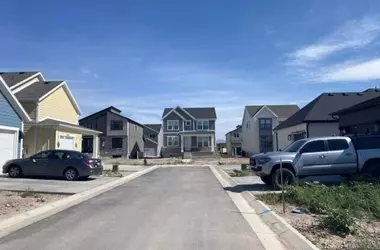 Sep 02, 2025
Utah's Bold Bid to Boost Starter Homes: Progress and Hurdles in an Expensive Market
Utah has embarked on an ambitious initiative to construct 35,000 affordable starter homes within five years, aiming to counteract soaring housing prices that threaten homeownership for young adults. Despite incentives like low-interest construction loans, developer participation has been slower than anticipated. This effort seeks to provide crucial opportunities for first-time buyers, reflecting a statewide commitment to fostering generational prosperity through accessible housing, even as the state grapples with persistent market challenges and policy debates.
By Anderson Cooper