ParentsKids
Answering the Call: Diverse Foster Families Needed to Support Arizona's Children

Join the Movement: Be the Change in a Child's Life Today
Empowering Lives Through Cultural Connection
The journey of becoming a foster parent often begins with an unexpected call or a profound realization. For Elisia Manuel, it was volunteering at a treatment center over a decade ago where she encountered two young brothers under the age of one. Their innocence and vulnerability inspired her to take a leap of faith. "I fell in love with these little ones," Manuel recalls. "It wasn’t just about providing shelter; it was about giving them a sense of belonging." Her commitment extends beyond caregiving as she actively works to maintain their cultural roots through her nonprofit, Three Precious Miracles.Manuel organizes events such as ribbon skirt workshops and classes on the significance of traditional hair practices. These activities are designed to reinforce cultural pride while easing the transition into foster care. By integrating traditions like Native American beadwork, medicines, and cuisine, Manuel ensures each child feels represented and valued within her home. Such efforts highlight the importance of maintaining cultural continuity during periods of upheaval.Moreover, the benefits of culturally aligned placements extend far beyond mere familiarity. Studies indicate that children who remain connected to their heritage exhibit higher levels of self-esteem and emotional resilience. This aligns perfectly with the mission of organizations like DCS, which prioritize placing children in environments that honor their origins. As Manuel emphasizes, "Every artifact, every aroma, plays a crucial role in lessening uncertainty."The Challenge of Representation in Foster Care
Despite the clear advantages of culturally reflective placements, achieving this goal remains challenging. According to statistics provided by DCS, 65% of children in foster care identify as Black, Latino, or Native American. However, only 43% of available foster homes mirror these demographics. Tanya Abdellatif, Assistant Director of Foster Care at DCS, acknowledges the disparity. "Entering foster care is inherently traumatic," she explains. "Our objective is to mitigate that trauma by matching children with families who can authentically celebrate their culture."To bridge this gap, DCS has launched a statewide initiative aimed at recruiting 1,000 diverse families. This effort seeks to address the immediate needs of approximately 1,400 children currently residing in group homes. Mia Stewart, another dedicated foster parent, echoes the urgency of this appeal. Having taken in her two nephews over a decade ago, Stewart recognizes the transformative impact of kinship care. She later expanded her role to include fostering other children, eventually adopting her nephews. Her experience underscores the dual rewards of fostering—both personal fulfillment and societal contribution.Stewart stresses the versatility of potential candidates. "You don’t have to fit a specific mold," she asserts. "Whether you’re single, married, or even an empty nester, your willingness to help makes all the difference." This inclusivity broadens the scope of recruitment, encouraging a wider range of applicants to consider fostering.Beyond the Basics: Holistic Approaches to Fostering
Foster parenting transcends basic caregiving responsibilities. It involves nurturing the whole child—emotionally, intellectually, and culturally. Manuel exemplifies this holistic approach by incorporating various cultural elements into daily life. From attending traditional events to sharing culinary experiences, she ensures each child develops a strong sense of identity. This comprehensive strategy addresses not only immediate needs but also long-term well-being.Furthermore, fostering offers unique opportunities for personal growth. Both Manuel and Stewart describe their journeys as blessings, despite inherent challenges. They emphasize the mutual benefits derived from fostering relationships. "It’s hard, yes," Manuel admits, "but knowing I’ve made a positive impact outweighs any difficulty." Such testimonials serve as powerful motivators for prospective foster parents.Additionally, fostering fosters community bonds. By participating in workshops and cultural celebrations, Manuel and Stewart engage broader networks, creating supportive ecosystems around the children in their care. These connections enhance the overall experience, reinforcing the idea that fostering is both a private and public endeavor.How You Can Make a Difference
For those contemplating fostering, the process may seem daunting. However, resources abound to guide interested parties through each step. The DCS website provides detailed information on requirements, training programs, and support systems. Furthermore, experienced foster parents like Manuel and Stewart stand ready to offer advice and encouragement.Ultimately, fostering represents more than a decision—it embodies a commitment to change lives. By stepping forward, individuals and families contribute to a brighter future for Arizona’s most vulnerable children. As Stewart poignantly notes, "There’s no greater reward than knowing you’ve helped shape someone’s destiny." Together, we can ensure every child finds a home where they belong, thrive, and grow.Author and consultant advocating for simplified, less stressful childhoods.
Other Articles
 May 10, 2025
Global Trade Tensions: The Impact on Toy Manufacturing and Consumer Choices
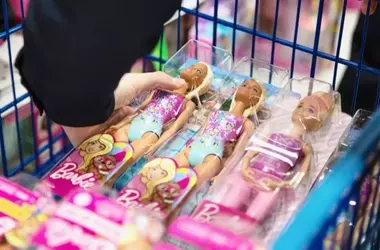
President Trump's tariffs on Chinese goods, including toy dolls, have sparked debate within the U.S. toy industry. With nearly 80% of U.S. toys originating from China, a 145% tariff rate threatens holiday shortages and increased consumer prices. The $2.7 billion U.S. doll market faces challenges as companies like Mattel raise product prices to offset costs. Smaller firms struggle more significantly due to limited cash reserves. Toy production in China benefits from specialized techniques not easily replicated elsewhere. Safety concerns over Chinese-made toys are addressed through stringent U.S. regulations, though online shopping complicates oversight. The tariffs could push consumers towards counterfeit products with higher safety risks. Critics argue Trump’s stance reflects disconnect with consumer realities, emphasizing the impact of foreign labor on affordable goods.
By Jessica Lahey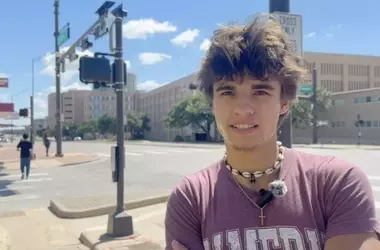 May 10, 2025
Proposed Texas Legislation Seeks to Restrict Social Media Access for Minors
In Texas, House Bill 186, filed by State Rep. Jared Patterson, aims to ban social media use for individuals under 18 by requiring age verification. Patterson views social media as a detrimental influence, likening it to "the modern-day cigarette," and believes the bill will help children focus on childhood experiences rather than digital platforms. While some residents like Hayden Larson support the initiative, others such as Blake DeCastro argue that it could create more problems, emphasizing the importance of staying digitally connected. The bill has passed the House and must pass through the Senate by June 2 to become law, sparking diverse community reactions.
By Cathy Glass May 09, 2025
Tragic Crosswalk Incident Highlights the Urgent Need for Road Safety
In Payson, Utah, a mother, Amber Averett, and four children were struck by a car while using a crosswalk. The driver of the Nissan Maxima failed to see them, resulting in injuries to all five pedestrians. Averett suffered head trauma and a broken leg, while her children and the two accompanying family friends sustained various injuries, including a fractured femur. Despite the severity, no one was fatally injured. The driver, who was not impaired, faced charges for failing to yield. This incident highlights a concerning rise in pedestrian accidents in Utah, emphasizing the need for increased awareness and safety measures. A GoFundMe page has been set up to assist with medical costs.
By Nigel Latta