ParentsKids
America's Public Broadcasting Faces Uncertainty Amid Funding Cuts

Recent developments have placed the future of public broadcasting in the United States under scrutiny. An executive order signed by former President Donald Trump targets the Corporation for Public Broadcasting (CPB), which provides crucial financial backing to public broadcasters such as PBS Kids. This action has raised concerns about the sustainability of educational content and animated series that depend on these funds. While the CPB contributes only a fraction of its recipients' budgets, its role remains indispensable for maintaining a diverse array of programming.
Legal questions surround the enforceability of this executive order. According to Patricia Harrison, president and CEO of the CPB, the organization operates independently of federal executive authority. Established by Congress, the CPB functions as a private nonprofit corporation, receiving direct authorization and funding from legislative bodies rather than presidential directives. In response to the order, Paula Kerger, president and CEO of PBS, expressed her concern over the potential disruption to services that have benefited the American public for more than five decades. She emphasized that PBS is exploring all possible avenues to ensure continued service to its member stations and audiences nationwide.
The significance of CPB funding extends beyond mere numbers, representing a lifeline for many educational programs. Although animation constitutes just a minor portion of CPB expenditures—less than five percent—it plays a vital role in supporting educational animation within the country. Industry leaders like Paul Siefken from Fred Rogers Productions highlight the irreplaceable nature of federal funding for PBS KIDS, underscoring its importance in providing essential learning resources to millions of children across the nation. Seeta Pai from GBH echoes similar sentiments, noting the adverse impact this decision could have on children's programming. As debates continue, it becomes increasingly clear that safeguarding access to quality educational content is not merely about preserving tradition but fostering a brighter future for generations to come.
Author of "This Book Is Anti-Racist," focusing on raising inclusive, socially conscious children.
Other Articles
 May 03, 2025
Google to Launch AI Chatbot Gemini for Under-13s
Google plans to launch its AI chatbot, Gemini, for children under 13 next week, accessible only through parent-managed Google accounts via the Family Link service. This tool enables parents to monitor and manage their child's device usage and privacy settings. Gemini aims to assist kids with homework, answer questions, and create stories, with safeguards in place to prevent exposure to unsafe content. However, concerns linger about AI's reliability and safety for children, given past instances of inappropriate suggestions by Gemini and issues with other tech platforms like Meta's. Under COPPA regulations, Google faces strict limitations on data collection and engagement tactics for minors, reflecting broader challenges in creating safe, child-focused digital products amidst regulatory scrutiny and public concern.
By Kim John Payne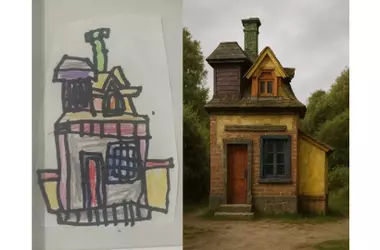 May 03, 2025
Transforming Children's Artwork into Realistic Creations with ChatGPT
The article explores the fun and creative process of using ChatGPT to transform children's artwork into lifelike images. By uploading photos of drawings to ChatGPT (preferably via desktop for better results), users can prompt the AI to generate realistic versions of the art. Despite occasional issues with specificity or eerie outcomes, adjusting prompts can refine results, such as requesting a "plush-style toy version" or a more "friendly and playful" style. The author highlights the joy and engagement this activity brings to their kids, fostering creativity and excitement. For regular use, upgrading to ChatGPT Plus is recommended, and ensuring the GPT-4 model is selected enhances image generation capabilities. This project has become an enjoyable way to bring children’s imagination to life.
By Nigel Latta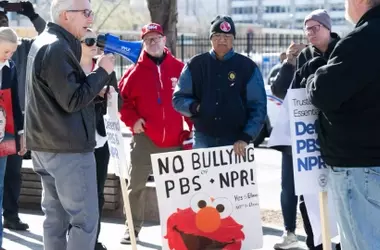 May 03, 2025
The Importance of Public Media in Children's Education and Growth
The article by Marc Brown, creator of the beloved children's series "Arthur," discusses the potential impact of federal funding cuts to PBS under recent executive orders. Programs like "Arthur" have long provided safe, educational content for children, addressing real-life issues and promoting growth. With 90% of parents trusting PBS Kids as a safe platform, its noncommercial, accessible programming is crucial, especially for children without preschool access. Ready to Learn grants from the Department of Education, now at risk, help create shows informed by child psychologists and educators. Without federal support, up to 46.1 million Americans could lose access to public media, severely affecting rural, island, and tribal communities. The loss of such programs threatens the availability of trusted, educational content that inspires and comforts children nationwide.
By Nigel Latta