ParentsKids
Addressing the Crisis: Hawaii's Efforts to Resolve Foster Youth Housing Issues

Revolutionizing Child Welfare Systems: A Commitment to Change
Across Hawaii, the plight of foster youth sleeping in unconventional settings underscores a deeper systemic failure demanding urgent attention. As part of this transformative effort, officials aim to redefine how resources are allocated and families supported, ensuring no child feels abandoned or neglected.
Facing the Reality of Office Accommodation
Over the past two years, over two dozen children across Hawaii have experienced periods living in office spaces or temporary hotel accommodations due to a lack of available placements within traditional foster homes. This unsettling reality highlights not only a logistical challenge but also an ethical one—how can society justify placing its most vulnerable members in environments unsuited for their needs?
For instance, consider the case of a toddler spending nights in a Kauai office or teenagers enduring months away from home amidst unfamiliar surroundings. These stories serve as stark reminders of the inadequacies plaguing current systems designed to protect them. While these numbers may seem small compared to overall statistics, they symbolize critical gaps requiring immediate resolution.
Systemic Challenges Plaguing Foster Care
Beneath the surface lies a complex web of challenges contributing to this crisis. Experts point towards increasing behavioral issues among youth coupled with insufficient mental health facilities capable of addressing such complexities. Additionally, lingering effects post-pandemic have exacerbated existing shortages in qualified foster families willing to take on higher-risk cases.
As Carla Houser, Executive Director at RYSE Shelter explains, “Kids today exhibit behaviors far beyond what typical households can manage.” Consequently, even well-meaning guardians find themselves overwhelmed when faced with situations involving aggression or defiance, leaving little choice but to turn back toward state intervention.
National Perspective on Placement Shortages
This phenomenon extends beyond Hawaii's borders, affecting numerous states nationwide grappling similarly with dwindling foster home availability. Reports indicate Kansas, Tennessee, Kentucky, and Virginia have each encountered comparable dilemmas leading some regions resorting drastic measures like conducting audits or implementing legislative reforms.
In particular, Virginia Governor Ralph Northam recently acknowledged learning about 100 foster children residing within social service buildings prompted him to advocate significant changes improving conditions statewide. Such examples illustrate broader trends impacting countless lives daily.
Exploring Potential Solutions Through Collaboration
Under newly appointed DHS Director Ryan Yamane’s leadership, efforts focus intently upon fostering collaboration amongst stakeholders including community organizations, policymakers, and frontline workers dedicated to enhancing outcomes for affected populations. Initiatives include establishing specialized therapeutic programs offering round-the-clock assistance tailored specifically toward challenging circumstances faced by certain individuals.
Venus Kauʻiokawēkiu Rosete-Medeiros, President & CEO of Hale Kipa emphasizes expanding funding opportunities allowing nonprofits greater flexibility managing high-needs clientele effectively. She advocates increased investment enabling enhanced staffing levels equipped handling unique scenarios while maintaining safety standards necessary protecting everyone involved.
Community Engagement Critical Toward Success
To achieve lasting impact, active participation from local communities proves essential. Encouraging more individuals step forward becoming certified resource caregivers presents one viable pathway alleviating pressures currently straining limited capacities elsewhere throughout system infrastructure.
Resources remain readily accessible guiding interested parties through application processes ensuring readiness meet responsibilities associated caring properly displaced minors seeking stability during tumultuous times ahead. Information detailing steps required obtain necessary certifications available online facilitating convenient access information empowering potential contributors make informed decisions contribute positively evolving landscape child welfare services provided regionwide.
Author and consultant advocating for simplified, less stressful childhoods.
Other Articles
 Jun 11, 2025
Florida's Decline in National Child Well-being Rankings
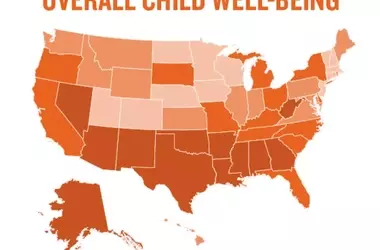
Florida's child well-being ranking has dropped to 35th nationally, according to the Kids Count report, which evaluates economic well-being, family and community, education, and health. Florida declined in three of these four categories, with its education ranking falling significantly from 5th to 19th place due to reduced preschool enrollment and lower reading/math scores. Health rankings slipped to 32nd, partly due to stalled progress in child insurance coverage. Economic well-being ranked 43rd, reflecting high living costs despite fewer children in poverty. The family and community category remained stable at 30th. Director Norín Dollard emphasizes using this data to advocate for policy changes benefiting Florida's children during the ongoing legislative session.
By Cathy Glass Jun 11, 2025
Global Study Reveals Bidirectional Link Between Screen Time and Emotional Issues in Children
A comprehensive meta-analysis conducted by psychologists from the University of Queensland and the University of New South Wales reveals a bidirectional relationship between heavy screen use and emotional/behavioral problems in children. Analyzing 117 longitudinal studies involving over 292,000 children under ten, the research highlights that increased screen time predicts spikes in anxiety, depression, and aggression, while these issues also drive higher screen usage. Risks vary by age and gender, with older children and boys showing distinct patterns. The study underscores the need for balanced, nuanced approaches to managing screen time, emphasizing emotion-coaching and digital literacy. While causal links are strengthened by the long-term nature of the studies, other factors like parenting style may still play a role. Researchers advocate for public-health strategies, including education and policy changes, to promote healthier screen habits without eliminating devices entirely.
By Kim John Payne Jun 11, 2025
Connecticut's Child Well-being Rankings: Strengths and Challenges
Connecticut has retained its 8th place ranking in the nation according to the 2025 Kids Count report, excelling in education (3rd) and health (5th). However, the state ranks lower in economic well-being (26th) and family/community metrics (22nd). Key findings include slight improvements in child poverty rates and parental employment, but worsening teen disconnection and child/teen mortality rates. Educational metrics showed declines in preschool enrollment, math, and reading proficiency, aligning with national trends post-pandemic. Connecticut is set to improve preschool access through new legislation offering free pre-K and infant/toddler care. Advocates warn that federal funding cuts could jeopardize progress amidst rising housing costs and economic inequality, urging bold policy action. National trends reflect reduced teen births and children in high-poverty areas, yet show declines in academic performance and preschool participation.
By Nigel Latta