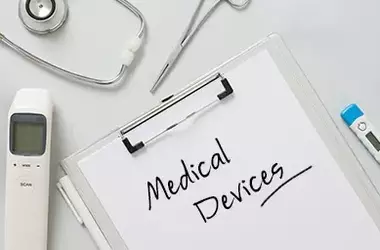
Medical Devices
When Supportive Devices Are Used Alongside Medical Treatment

The integration of supportive devices alongside primary medical treatment refers to a multidisciplinary approach where physical hardware or electronic instruments are used in conjunction with pharmaceutical or surgical interventions to optimize patient outcomes. These devices—ranging from mobility and respiratory supports to advanced monitoring systems—are not intended to replace primary therapy but to act as structural or functional adjuncts that facilitate recovery, stabilize physiological parameters, or improve daily function. This article provides a neutral, science-based exploration of the synergy between clinical treatment and supportive technology. It details the mechanical and biological principles of integrated care, examines how data from monitoring devices informs treatment adjustments, and discusses the objective criteria for device implementation. The following sections follow a structured trajectory: defining the parameters of adjunctive device use, explaining the core mechanisms of mechanical and physiological support, presenting a comprehensive view of the clinical landscape, and concluding with a technical inquiry section to address common questions regarding device maintenance and data integration.

1. Basic Conceptual Analysis: The Adjunctive Model of Care
To analyze the role of supportive devices, one must first identify their function within the broader scope of a medical management plan.
Defining Adjunctive Support
In a clinical context, "adjunctive" means a treatment used together with another. Supportive devices serve as the "bridge" between the biological effect of a medication and the physical requirements of the body.
- Functional Support: Devices like orthotic braces or walkers that provide mechanical stability while a patient undergoes physical therapy or heals from surgery.
- Physiological Stabilization: Devices like CPAP machines or oxygen concentrators that ensure stable gas exchange, allowing the body's systems to function efficiently during a chronic illness.
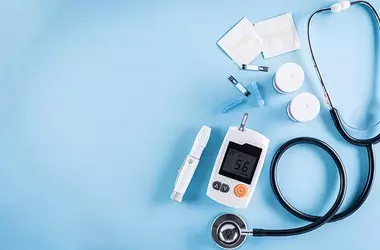
- Informational Support: Monitoring devices (glucose meters, blood pressure cuffs) that provide the objective data necessary for clinicians to titrate or adjust a medical regimen.
Regulatory and Clinical Context
The World Health Organization (WHO) emphasizes that medical devices are essential for the prevention, diagnosis, and management of diseases. When used alongside medical treatment, these devices are categorized by their level of invasiveness and the duration of their use.
2. Core Mechanisms: Mechanical Advantage and Physiological Monitoring
The efficacy of using supportive devices alongside treatment is rooted in the physical laws of biomechanics and the electronic principles of biosensing.
Biomechanical Synergy: Bracing and Mobility
When a patient is treated for musculoskeletal issues, supportive devices redistribute mechanical loads.
- Load Offloading: A knee brace, for example, can shift weight from a damaged compartment to a healthy one. This mechanical "offloading" reduces localized inflammation, allowing anti-inflammatory treatments to be more effective.
- Gait Stabilization: Walkers and canes increase the base of support, lowering the center of gravity and reducing the metabolic energy required for movement, which is critical for patients whose systemic energy is being diverted toward healing.
Physiological Synergy: Respiratory and Circulatory Support
For conditions affecting the lungs or heart, supportive devices maintain a stable "internal environment" (homeostasis).
- Pressure Dynamics: A Continuous Positive Airway Pressure (CPAP) machine uses a column of air to keep the upper airway open. By maintaining this physical patency, the device ensures that oxygen levels remain stable, reducing the strain on the cardiovascular system.
- Concentration Gradients: Oxygen concentrators utilize Pressure Swing Adsorption to increase the fraction of inspired oxygen. This enhances the diffusion of oxygen across the alveolar-capillary membrane, supporting the body's tissues while other treatments address the underlying lung condition.
Data-Driven Titration: The Feedback Loop
Monitoring devices create an objective feedback loop. For instance, in the management of metabolic imbalances, a glucose meter provides the data required to determine the exact amount of intervention needed. This prevents both under-treatment and over-treatment, ensuring the patient remains within a safe "therapeutic window."
3. Presenting the Full Picture: Objective Clinical Discussion
The decision to implement supportive devices alongside medical treatment involves an objective assessment of technological capabilities and the potential for device-related variables.
Comparative Overview of Integrated Support
| Treatment Area | Supportive Device | Primary Mechanism | Interaction with Treatment |
| Orthopedics | Braces / Orthotics | Mechanical Stabilization | Protects surgical sites; assists physical therapy |
| Respiratory | Nebulizers / CPAP | Aerosol / Pressure Delivery | Facilitates medication deposition; stabilizes $SpO_2$ |
| Metabolic | Glucose Monitors | Electrochemical Sensing | Informs dosing and dietary management |
| Cardiology | BP Monitors / ECG | Oscillometry / Electrodes | Tracks systemic response to heart medications |
| Post-Surgical | Compression Pumps | Intermittent Pneumatic Compression | Prevents circulatory complications (DVT) |
Technical Variables and Accuracy
Data from the National Institutes of Health (NIH) highlights that the effectiveness of supportive devices is highly dependent on "interface integrity"—how well the device connects to the user (e.g., mask fit for a CPAP or cuff size for blood pressure). Environmental factors, such as altitude for oxygen concentrators or electrical interference for ECG monitors, can also introduce data variance.
The Rise of Remote Monitoring
Many modern supportive devices are now "connected." Through the Internet of Medical Things (IoMT), devices can transmit data directly to healthcare providers. While this increases awareness and allows for timely treatment adjustments, it also requires a technical infrastructure for data security and interoperability between different device manufacturers.
4. Summary and Future Outlook: Intelligent Integrated Systems
The future of adjunctive device use is moving toward "closed-loop" systems where the device and the treatment are automatically synchronized.
Future Directions in Research:
- Automated Delivery Systems: Research into "artificial pancreas" systems that combine a continuous glucose monitor with an automated pump, allowing the device to adjust the treatment in real-time based on the data.
- Smart Orthotics: Development of braces with sensors that can detect muscle fatigue or improper gait, providing haptic feedback to the user or data to the clinician to optimize recovery protocols.
- AI-Enhanced Diagnostics: Using machine learning to analyze data from home monitoring devices to predict potential complications days before they occur, allowing for proactive rather than reactive treatment changes.
- Wearable Bio-Sensors: Shifting from bulky hardware to flexible, skin-like "electronic tattoos" that monitor a wide array of biochemical markers continuously and non-invasively.
5. Q&A: Clarifying Technical and Operational Inquiries
Q: Do supportive devices make the primary treatment "work better"?
A: Not necessarily by changing the chemistry of the treatment, but by optimizing the environment in which the treatment operates. For example, a nebulizer doesn't change the medication, but its mechanical design ensures that the particles are the correct size (1 to 5 microns) to reach the lower lungs, where the medication is most effective.
Q: Why is "Calibration" emphasized for monitoring devices?
A: Electronic sensors can "drift" over time due to environmental exposure or battery fluctuations. Calibration ensures that the electrical signal generated by the sensor (e.g., in a glucose meter) still accurately corresponds to the actual biological concentration being measured.
Q: Can supportive devices be used indefinitely?
A: This depends on the clinical goal. Some devices are "transitional," used only until a surgical site heals or an acute condition resolves. Others are "long-term," used to manage chronic physiological imbalances where the body cannot maintain homeostasis on its own.
Q: Does using a mobility aid like a walker cause "Muscle Weakness"?
A: This is a common concern. However, in a clinical context, these devices are used to allow for safe activity. By reducing the risk of a fall, the device often enables the patient to remain more active than they would be without it, which helps maintain muscle tone during the recovery process.
Q: How is the data from "Smart" devices kept secure?
A: Reputable medical devices utilize encryption standards such as AES-256 for data at rest and TLS for data in transit. Furthermore, systems designed for clinical use must comply with data privacy regulations like HIPAA in the United States or GDPR in Europe to ensure that personal health information is not accessed by unauthorized parties.
This article serves as an informational resource regarding the scientific and mechanical principles of using supportive devices alongside medical treatment. For individualized medical evaluation, diagnostic assessment, or the development of a health management plan, consultation with a licensed healthcare professional is essential.

Family medicine consultant with holistic health focus.
Exploration ArchivesOther Articles
 Dec 30, 2025
An Overview of Supportive Medical Devices in Daily Care
Supportive medical devicesrefer to a broad category of health-related instruments, apparatuses, or software designed to assist individuals in managing physical impairments, monitoring physiological functions, or maintaining daily functional independence. Unlike acute intervention tools, supportive devices are primarily utilized in domestic or long-term care settings to bridge the gap between clinical requirements and everyday living. This article provides a neutral, science-based exploration of these technologies, detailing the mechanical and electronic principles of mobility, respiratory support systems, and monitoring hardware. The following sections follow a structured trajectory: defining the technical scope of supportive care, explaining the core mechanisms of mechanical and sensory assistance, presenting a comprehensive view of regulatory safety and efficacy, and concluding with a technical inquiry section to address common questions regarding device selection and maintenance.
 By Dr. Mei Wong
 Dec 30, 2025
Using Wearable Devices to Track Daily Health Patterns: A Technical and Analytical Overview
Wearable health devicesare a class of integrated electronic instruments worn on the body—such as smartwatches, fitness bands, rings, and smart patches—that utilize advanced sensors to monitor and record physiological and behavioral data in real time. These devices enable the continuous collection of "longitudinal data," which reflects an individual's biological patterns over days, months, and years. This article provides a neutral, science-based exploration of wearable technology, detailing the physical sensors used for bio-tracking, the algorithms that interpret raw data into health metrics, the objective utility of pattern recognition in modern wellness, and the technical limitations inherent in consumer-grade hardware. The following sections follow a structured trajectory: defining the parameters of wearable monitoring, explaining the core mechanisms of signal acquisition, presenting a comprehensive view of data interpretation and clinical boundaries, and concluding with a technical inquiry section to address common questions regarding data validity and privacy.
 By Dr. Felipe Torres
 Dec 30, 2025
What Wearable Medical Devices Can and Cannot Tell You: A Scientific Overview
Wearable medical devicesare electronic instruments designed to be worn on the body—often as smartwatches, rings, patches, or clothing—to continuously or intermittently monitor physiological parameters. These devices utilize advanced sensors to track metrics such as heart rate, oxygen saturation, physical activity, and sleep patterns. While they provide an unprecedented stream of longitudinal data, it is critical to distinguish between their role as "wellness monitors" and their limitations as "diagnostic tools." This article provides a neutral, evidence-based exploration of wearable technology, detailing the optical and electrical mechanisms of data collection, the objective accuracy of these sensors compared to clinical standards, and the boundary between data observation and medical interpretation. The following sections follow a structured trajectory: defining the scope of wearable biosensing, explaining the core mechanisms of signal processing, presenting a comprehensive view of technical capabilities and limitations, and concluding with a technical inquiry section to address common questions regarding data validity and clinical utility.
By Dr. Mei Wong