Medical Devices
Supporting Daily Safety with Assistive Medical Devices: A Technical and Functional Overview

Assistive medical devices refer to a broad spectrum of engineered tools, equipment, and software designed to maintain, increase, or improve the functional capabilities of individuals with physical, sensory, or cognitive limitations. In the context of daily safety, these devices serve as critical interfaces between the user and their environment, aiming to mitigate risks such as falls, physiological instability, and delayed emergency response. This article provides a neutral, science-based exploration of assistive technology. It examines the mechanical and electronic principles of mobility, sensory enhancements, and environmental sensors, while discussing the objective standards for device efficacy and the technical variables that influence their performance. The following sections follow a structured trajectory: defining the foundational parameters of assistive care, explaining the core mechanisms of stability and monitoring, presenting a comprehensive view of the regulatory and operational landscape, and concluding with a technical inquiry section to address common questions regarding maintenance and integration.

1. Basic Conceptual Analysis: The Framework of Assistive Safety
To analyze the role of assistive medical devices in daily safety, one must first identify the three primary functional domains they address: mobility stabilization, sensory compensation, and physiological monitoring.
Mobility and Structural Support
Mobility-related safety focuses on the prevention of mechanical instability. This includes devices ranging from simple assistive bars and walkers to complex motorized lift systems. Their primary function is the redistribution of center-of-gravity forces and the reduction of weight-bearing stress on specific anatomical structures.
Sensory and Cognitive Compensation
For individuals with sensory deficits, safety is maintained through devices that amplify environmental signals or provide alternative feedback. This includes auditory enhancements, tactile navigation tools, and cognitive reminders designed to prevent accidents related to environmental unawareness.
Environmental Monitoring and Alert Systems
These systems utilize sensors to detect anomalies in the user's surroundings or physiological state. Fall detection sensors, automated lighting systems, and emergency communication hubs function as a "safety net," ensuring that deviations from normal safety parameters are identified and recorded.
Regulatory and Quality Standards
According to the International Organization for Standardization (ISO), assistive products must adhere to specific safety requirements and test methods (such as ISO 9999). Regulatory bodies like the U.S. Food and Drug Administration (FDA) classify these devices based on the level of risk to the user, ensuring that structural integrity and electronic reliability are verified before a device enters the domestic care environment.
2. Core Mechanisms: Biomechanics and Sensor Fusion
The efficacy of assistive devices in supporting safety is rooted in the application of physical laws and electronic signal processing.
Biomechanics of Balance and Gait Stabilization
Mobility function by increasing the base of support (BoS).
- Load Redistribution: A standard walker or rollator creates a wider geometric base than a human gait. By allowing the user to transfer a portion of their weight through their upper extremities to the device, the vertical pressure on the lower joints is reduced, and the center of mass is stabilized within the broadened BoS.
- Mechanical Friction: Rubberized tips on canes and walkers are engineered with high-friction coefficients to prevent "slip-out" on varied surfaces, utilizing the principles of static friction to provide a reliable anchor point during the gait cycle.
Electronic Sensor Fusion in Fall Detection
Modern safety devices utilize Micro-Electro-Mechanical Systems (MEMS) to detect hazardous events.
- Accelerometry: 3-axis accelerometers measure the rate of change in velocity. A sudden, high-magnitude spike in downward acceleration followed by an immediate cessation of movement is a characteristic "signature" of a fall.
- Barometric Pressure Sensing: Advanced devices use barometers to detect minute changes in air pressure, which correlate to changes in altitude. Detecting a rapid drop in height (from standing to floor level) helps distinguish an actual fall from a user merely sitting down quickly.
Photometry and Bio-impedance in Monitoring
For daily physiological safety, devices such as pulse oximeters and blood pressure monitors provide data on systemic stability.
- Pulse Oximetry: These utilize spectrophotometry to measure oxygen saturation ($SpO_2$). By emitting red and infrared light through the tissue, the device calculates the ratio of oxygenated to deoxygenated hemoglobin based on light absorption patterns.
3. Presenting the Full Picture: Objective Clinical Discussion
The implementation of assistive devices involves a technical balance between the benefits of increased independence and the limitations of device-related variables.
Comparative Overview of Safety-Supportive Devices
| Device Category | Primary Safety Function | Technical Operating Principle | Data/Mechanical Output |
| Rollators/Walkers | Fall Prevention | Load Redistribution | Increased Base of Support |
| Oxygen Concentrators | Respiratory Stability | Pressure Swing Adsorption | Concentrated $O_2$ Flow |
| Fall Detectors | Emergency Alerting | Accelerometry/Barometry | Digital Signal Alarm |
| Transfer Lifts | Injury Prevention | Hydraulic/Electric Actuation | Controlled Vertical Displacement |
| Smart Lighting | Environmental Safety | Motion/PIR Sensing | Automated Illumination |
Factors Influencing Device Efficacy
Data from the World Health Organization (WHO) suggests that the "fit" between the user and the technology is a primary determinant of safety.
- Environmental Suitability: A device designed for indoor use (e.g., certain power chairs) may pose a safety risk if operated on uneven outdoor terrain due to differences in wheel diameter and suspension travel.
- User Technique: The accuracy of monitoring devices, such as blood pressure cuffs, is highly sensitive to positioning. A cuff placed at the wrong vertical height relative to the heart can introduce a variance of up to 10 mmHg .
Data Privacy and Connectivity
As assistive devices become part of the Internet of Medical Things (IoMT), they collect and transmit sensitive data. While this connectivity allows for real-time safety monitoring by caregivers, it requires technical safeguards such as end-to-end encryption to ensure that personal health patterns remain secure from unauthorized access.
4. Summary and Future Outlook: Intelligent Assistive Systems
The trajectory of assistive technology is moving toward "proactive" rather than "reactive" safety systems.
Future Directions in Research:
- AI-Enhanced Predictive Analytics: Machine learning algorithms are being developed to analyze gait patterns over time. Subtle changes in walking speed or step variability may allow for the prediction of fall risks before an incident occurs.
- Soft Robotics and Exosuits: The development of flexible, motorized clothing that provides "on-demand" joint stabilization during strenuous tasks like stair climbing.
- Augmented Reality (AR) Navigation: For individuals with visual or cognitive impairments, AR glasses can project high-contrast "pathways" onto the floor to guide them safely through complex environments.
- Non-Contact Vitals Monitoring: Research into radar-based or thermal sensors that can monitor heart rate and respiration from across a room, eliminating the need for wearable hardware.
5. Q&A: Clarifying Technical and Maintenance Inquiries
Q: How often should the structural integrity of mechanical be inspected?
A: Technical guidelines generally suggest a monthly inspection of high-wear components. For walkers and canes, this includes checking the rubber tips for thinning and ensuring that locking pins are fully engaged. For motorized devices, battery health and wire insulation should be checked to prevent electrical failure.
Q: Why do some fall detectors trigger "false alarms"?
A: False alarms (Type I errors) often occur when a device cannot distinguish between a "high-impact" intentional movement—such as dropping onto a sofa or jumping—and an accidental fall. Newer devices use "Sensor Fusion," combining data from accelerometers and gyroscopes to improve the accuracy of the identification.
Q: Is there a difference between a "Transfer Bench" and a "Shower Chair"?
A: Yes. A shower chair is designed to sit entirely inside the tub or shower stall. A transfer bench extends over the edge of the tub, allowing the user to sit down outside the tub and slide across, which eliminates the need to step over the tub wall—a high-risk movement for balance loss.
Q: Can environmental factors affect the accuracy of electronic monitoring devices?
A: Yes. For instance, pulse oximeters may provide inaccurate readings if the user has cold extremities (low perfusion) or is wearing dark nail polish, both of which interfere with light transmission. Similarly, high humidity can sometimes affect the chemical sensors in certain glucose monitoring strips.
Q: What is the "Weight Capacity" rating on assistive devices?
A: This is a structural safety limit determined through stress testing. Exceeding the rated capacity of a chair, lift, or walker can lead to "material fatigue," where the metal or plastic components may fail under load, posing an immediate safety risk.
This article serves as an informational resource regarding the technical mechanisms and safety considerations of assistive medical devices. For individualized medical evaluation, diagnostic assessment, or the development of a health management plan, consultation with a licensed healthcare professional or a certified assistive technology professional is essential.

Other Articles
 Dec 30, 2025
Medical Devices Commonly Used in Elderly Care Settings: A Technical Overview
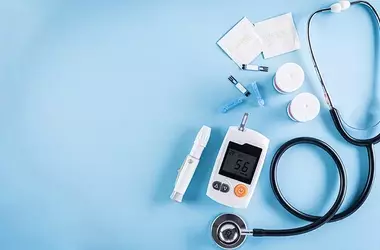
Medical devices used in elderly carerefer to a diverse range of instruments, machines, and software designed to assist in the management of age-related physiological changes, chronic conditions, and functional limitations. These devices function as essential components in long-term care facilities and home-based environments, focusing on three primary objectives: physiological monitoring, mobility support, and life-sustaining assistance. This article provides a neutral, science-based exploration of the technological landscape in geriatric care. We will examine the core mechanisms of assistive and diagnostic hardware, the biological rationale for their implementation, and the objective considerations regarding their accuracy and safety. The following sections follow a structured trajectory: defining the foundational categories of elderly care technology, explaining the mechanical and electronic principles of key devices, presenting a comparative overview of their clinical utility, and concluding with a technical inquiry section to address common questions regarding maintenance and data integration.
 By Dr. Mei Wong
 Dec 30, 2025
How Diagnostic Devices Support Clinical Decision-Making
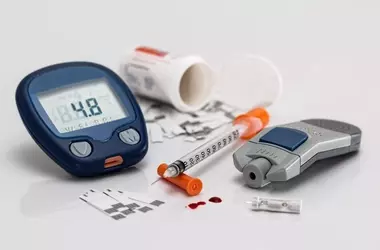
Diagnostic devicesare specialized technological instruments, ranging from simple thermometers to complex magnetic resonance imaging (MRI) systems, designed to identify the nature and cause of a physiological condition. In the modern medical landscape, these tools serve as the objective foundation forclinical decision-making—the process by which healthcare professionals evaluate data to determine a management plan. By translating biological phenomena into quantifiable data, diagnostic devices move the clinical process from subjective observation to evidence-based analysis. This article provides a neutral, science-based exploration of diagnostic technology, detailing the categorization of in-vitro and in-vivo tools, the biochemical and physical mechanisms of signal acquisition, and the objective impact of high-fidelity data on professional judgment. The following sections follow a structured trajectory: defining the parameters of diagnostic sensing, explaining the core mechanisms of imaging and biosensing, presenting a comprehensive view of diagnostic accuracy and its limitations, and concluding with a technical inquiry section to address common questions regarding device reliability and data integration.
By Dr. Mei Wong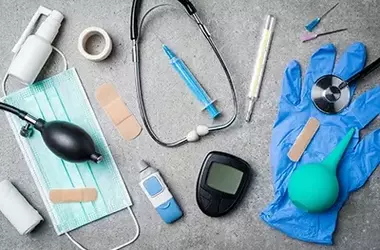 Dec 30, 2025
Understanding Medical Monitoring Devices and Their Limitations
Medical monitoring devicesare specialized instruments designed to measure, record, and display physiological parameters of the human body in real-time or over extended periods. These devices—ranging from clinical-grade bedside monitors to portable consumer wearables—serve as essential tools for capturing vital signs such as heart rate, blood pressure, oxygen saturation, and electrical cardiac activity. The objective of this article is to provide a neutral, evidence-based exploration of monitoring technology. It will define the foundational categories of these instruments, explain the biochemical and physical mechanisms of signal acquisition, and present a balanced discussion on their technical constraints and the variables that influence data accuracy. The following sections follow a structured trajectory: defining the parameters of medical sensing, detailing the core mechanisms of transductive technology, assessing the objective limitations of data interpretation, and concluding with a technical inquiry section to address common questions regarding device calibration and reliability.
 By Dr. Alejandro Ruiz