

A Practical Guide to Carriage Houses: Versatile Spaces Reimagined
Thinking about adding more space or exploring unique property options? A carriage house might come to mind. Originally built to shelter horse-drawn carriages and sometimes living quarters for staff, these detached structures have evolved far beyond their historic roots. Today, they are versatile spaces that can serve many modern needs. This guide offers a clear look at what a carriage house is, its common contemporary uses, and key practical considerations for building, buying, or renovating one. We'll break down the different functions they can serve, outline the essential factors to examine, and answer some frequent questions about these distinctive properties.
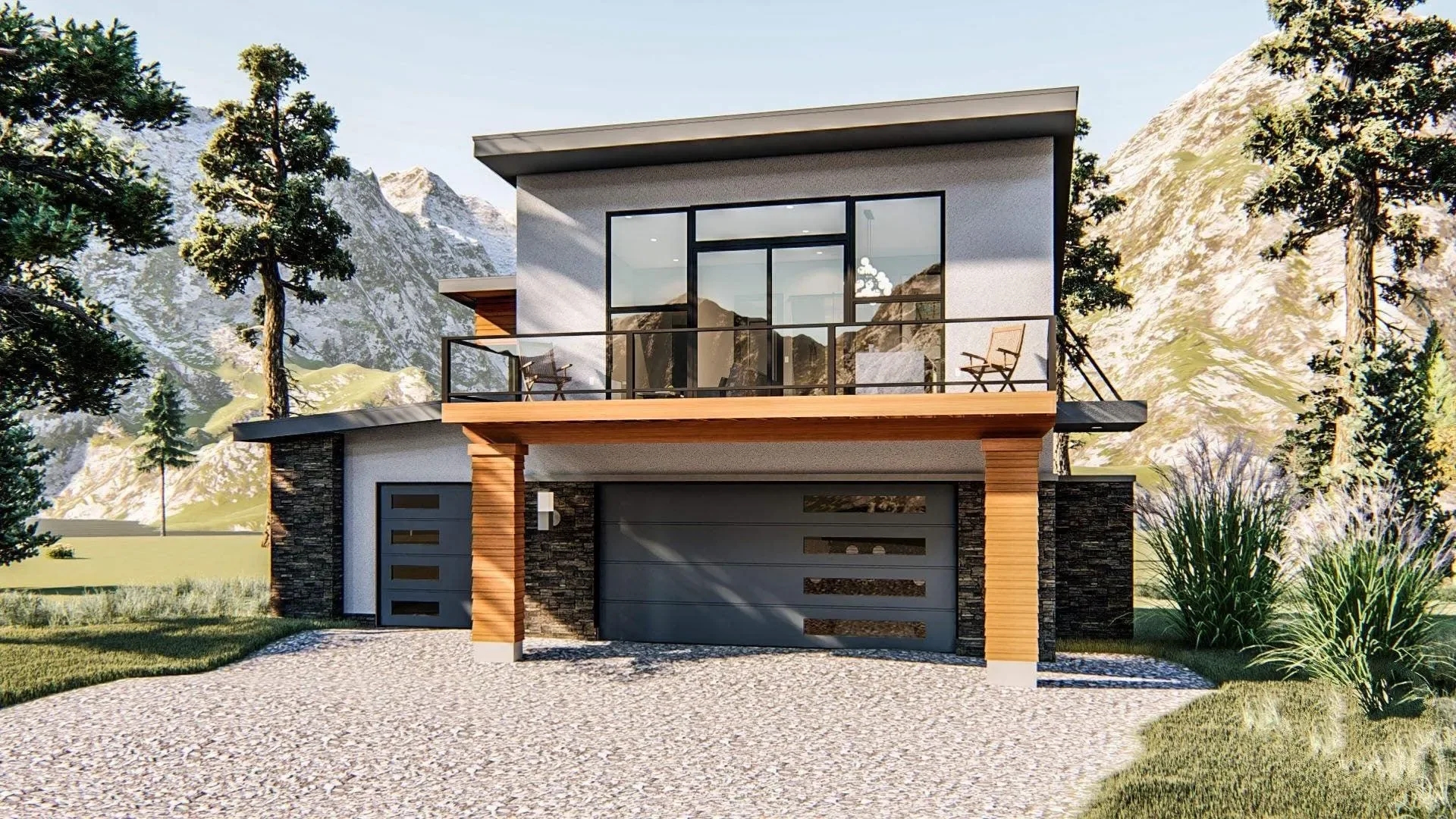
What is a Carriage House?
At its core, a carriage house is a detached outbuilding, typically found on the same lot as a larger, primary home. Historically, its main floor was a garage for carriages (and later, early automobiles), while an upper loft area often provided storage or housing.
The modern appeal lies in adapting this structure. Unlike a standard garage, a carriage house often has architectural character and the inherent potential to be converted into habitable space. Its use today generally falls into a few main categories, which impact its design, regulations, and value.
| Common Modern Use | Primary Function & Features | Key Considerations |
|---|---|---|
| Accessory Dwelling Unit (ADU) | A fully independent living space with a kitchen, bath, and sleeping area. Often used for family, guests, or rental income. | Subject to specific local zoning laws. Requires full utility connections and must meet residential building codes. |
| Home Office or Studio | Dedicated workspace, art studio, or music room separated from the main house for focus and noise control. | Needs adequate insulation, heating/cooling, and electrical/internet infrastructure. |
| Garage with Flexible Loft | Vehicle storage below with unfinished or semi-finished space above for storage, a gym, or a future project. | Focus is on structural soundness and safe access. Conversion potential is a key value factor. |
| Event or Entertainment Space | A spacious area for gatherings, potentially featuring an open layout and amenities like a wet bar or bathroom. | Emphasis on flow, climate control for comfort, and parking logistics. |
Core Considerations for Carriage Houses
Whether planning a new build or evaluating an existing structure, several practical aspects require attention.
- Zoning and Legal Compliance: This is the most critical first step. Local ordinances dictate if a carriage house is permitted, its allowable size, height, and—most importantly—whether it can be used as a rental ADU. Regulations regarding setbacks (distance from property lines), lot coverage, and parking requirements vary significantly.
- Structure and Foundation: For existing buildings, a professional inspection is essential. The foundation must be sound and capable of supporting any planned live loads for upstairs habitation. The roof, framing, and exterior siding need evaluation for integrity and weather-tightness.
- Utility Connections: Function dictates need. A simple storage space may only require electricity. A habitable ADU, however, needs dedicated connections for:Power: Adequate electrical service for lighting, appliances, and HVAC.Water and Sewer: Tapping into the main house's lines or installing a separate connection, which can be a major cost factor.Heating/Cooling: A dedicated system, like a mini-split heat pump, is often necessary for year-round comfort.
- Design and Access: Thoughtful design ensures the space works for its purpose. Consider separate exterior entrances for privacy (crucial for an ADU or office), interior stair placement, and how the design complements the main house. Adequate parking and pathways are also important practical elements.
Functionality and Potential Benefits
A well-executed carriage house project can add significant functionality to a property.
- Space Creation: It provides dedicated room for activities that are impractical in the main house, such as a workshop, home business, or hobby studio.
- Flexibility for Life Changes: The space can adapt over time—serving as a home office, then later converting to a guest suite or a private living area for an aging family member.
- Property Value Impact: Adding a permitted, well-constructed ADU can increase a property's utility and market value. Research on urban development notes that accessory dwelling units contribute to housing density and neighborhood variety. However, the financial return depends heavily on local real estate markets, construction quality, and full legal compliance.
Frequently Asked Questions (FAQ)
Q: Is a carriage house the same as a "granny flat" or in-law suite?
A: The terms are often used interchangeably, especially when the space is a fully equipped ADU. Technically, a "carriage house" refers to the architectural form of a detached outbuilding, while "granny flat" or "ADU" describes its use as a living space.
Q: What are the biggest challenges in converting an old carriage house?
A: Two major challenges are bringing the structure up to modern building code standards for living spaces (including insulation, egress windows, and ceiling height) and the cost of running or upgrading utilities like plumbing and sewer connections.
Q: Can you build a new carriage house on any property?
A: No. Permission depends entirely on local zoning laws. Some areas actively encourage ADUs to increase housing stock, while others in strictly single-family zones may prohibit secondary dwellings. Checking with the local planning department is an essential first action.
Q: How does a carriage house affect property taxes?
A: Adding a habitable structure, especially an ADU, that increases the property's value will likely result in a property tax reassessment. The exact impact varies by municipality.
Sources and Data References:
- https://www.huduser.gov/portal/pdredge/pdr-edge-featd-article-061520.html
- https://www.planning.org/knowledgebase/accessorydwellings/
- https://www.cnu.org/publicsquare/2019/11/13/what-accessory-dwelling-unit
- https://www.urban.org/urban-wire/accessory-dwelling-units-building-more-housing
- https://www.law.cornell.edu/wex/zoning
- https://www.nar.realtor/research-and-statistics/housing-statistics/accessory-dwelling-units
- https://www.energy.gov/energysaver/heat-and-cool/heat-pump-systems
- https://www.irs.gov/taxtopics/tc509
- https://www.buildingcodeforum.com
- https://www.iccsafe.org/products-and-services/i-codes/
Related Articles
Whole-Home Smart Setup Guide: From Electrical Planning to Device Pairing
Sep 17, 2025 at 9:46 AM
Step-by-Step Guide — Legal Research Assistant
Sep 17, 2025 at 7:21 AM
Discover Your Ideal Mobile Home: Rent Now, Own Later
Jul 11, 2025 at 10:16 AM
Retirement Living in the U.S.: Comparing Different Lifestyle Options
Feb 3, 2026 at 6:39 AM
A Complete Guide to Renting an Apartment in the U.S.
Jan 15, 2026 at 6:28 AM
Kitchen Countertop Materials and Design Considerations: An Overview
Feb 4, 2026 at 8:08 AM
Security Guard Careers and Employment Opportunities in 2025
Oct 14, 2025 at 8:20 AM
Medical Delivery Driver: Potential and Requirements
Oct 30, 2025 at 8:46 AM
Choosing the Right Dental Braces: A Guide for All Ages
Sep 11, 2025 at 3:05 AM
Smart Shopping: How to Buy Wholesale Online for Clothing
Jun 13, 2025 at 7:02 AM


This website only serves as an information collection platform and does not provide related services. All content provided on the website comes from third-party public sources.Always seek the advice of a qualified professional in relation to any specific problem or issue. The information provided on this site is provided "as it is" without warranty of any kind, either express or implied, including but not limited to the implied warranties of merchantability, fitness for a particular purpose, or non-infringement. The owners and operators of this site are not liable for any damages whatsoever arising out of or in connection with the use of this site or the information contained herein.