

A Comprehensive Guide to Foreclosure Listings in the United States
Navigating the U.S. real estate market can lead to the discovery of various property types, including foreclosure listings. These properties, which have been reclaimed by a lender or government entity due to the previous owner's inability to keep up with mortgage payments, represent a distinct segment of the market. Understanding what foreclosure listings are, where to find them, and the processes involved in purchasing them is essential for anyone considering this path.
This guide provides an informational overview of foreclosure listings. It will explain the basic concepts and the typical stages of foreclosure, outline where and how these properties are listed publicly, and detail the step-by-step process involved in researching and purchasing one. Important considerations regarding financing, property condition, and potential challenges will be discussed. Finally, a question-and-answer section will address some common inquiries. The information presented is based on publicly available data from government agencies, financial institutions, and real estate research firms.
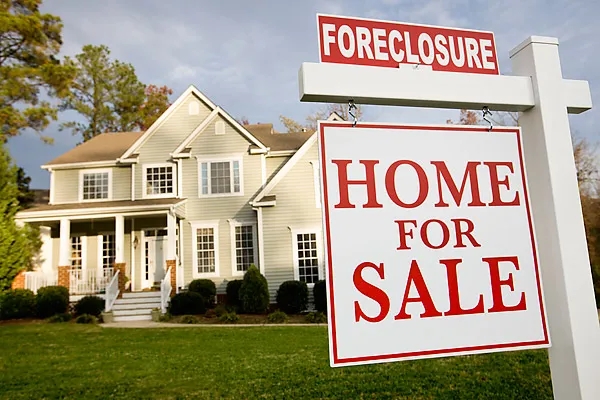
1. Understanding Foreclosure: Basic Concepts and Stages
Foreclosure is a legal process that allows a lender to recover the balance of a loan from a borrower who has stopped making payments. This is typically done by forcing the sale of the asset used as collateral for the loan—usually a house. The process and timeline vary significantly by state, falling into two main categories: judicial foreclosures (which go through the court system) and non-judicial foreclosures (which follow a process outlined in the mortgage or deed of trust).
Properties become publicly listed at different points in this process, often categorized by their stage:
- Pre-Foreclosure (Notice of Default): The owner has fallen behind on payments, and the lender has filed a public notice. The owner may still sell the property to pay off the loan, often referred to as a "short sale."
- Auction (Trustee's or Sheriff's Sale): If the debt isn't settled, the property is scheduled for a public auction. It is sold to the highest bidder, often for cash.
- Bank-Owned or REO (Real Estate Owned): If the property does not sell at auction, the lender takes ownership. These "REO properties" are then listed for sale, often through real estate brokers, and can be purchased with traditional financing.
2. Sources for Finding Foreclosure Listings
Foreclosure listings are aggregated and published by various services. Reliable sources often include:
1.Dedicated Real Estate Data Companies: Firms like RealtyTrac and ATTOM Data Solutions compile foreclosure data from public records, providing searchable databases. Access to detailed information may involve a subscription.
2.Government Agency Websites: Certain federal agencies list properties they have acquired.
- The U.S. Department of Housing and Urban Development (HUD) lists properties acquired through FHA-insured mortgage foreclosures on its official website.
- The U.S. Department of Veterans Affairs (VA) sells foreclosed properties from VA-guaranteed loans.
- The U.S. Department of Agriculture (USDA) occasionally sells foreclosed properties from its rural housing program.
3.Government-Sponsored Enterprise (GSE) Portals: Fannie Mae (HomePath.com) and Freddie Mac (HomeSteps.com) maintain websites listing their inventory of foreclosed homes.
4.Public Records and Auction Notices: Information about upcoming auctions is published in local newspapers and county clerk or sheriff's office websites, as required by law.
3. A Comparative Look at Purchasing at Different Stages
The experience and requirements differ greatly depending on when a buyer engages in the process.
| Purchasing Stage | Typical Listing Venue | Key Characteristics & Considerations |
|---|---|---|
| Pre-Foreclosure / Short Sale | Multiple Listing Service (MLS) via a real estate agent. | Negotiation is with the distressed homeowner, but lender approval is required. Process can be lengthy with uncertain outcomes. Property may be in "as-is" condition. |
| Public Auction | County courthouse steps or designated auction site. | Often requires full payment in cash or cashier's check immediately. No opportunity for property inspection. Title may have liens or other complications. |
| Bank-Owned (REO) | MLS, bank/lender websites, real estate agents. | Sold by the lender, clear title typically provided. May be possible to inspect and finance the property. Often sold "as-is," but lender may make some repairs. |
4. The Research and Purchasing Process
A methodical approach is crucial when dealing with foreclosure listings.
- Research and Due Diligence: Thoroughly research the property using its address. Tax records, previous sale history, and even a drive-by viewing can offer insights. For auctions, researching the opening bid and any superior liens is necessary.
- Financing Preparation: For REO properties, obtaining a mortgage pre-approval is a standard step. For auction purchases, securing proof of funds or arranging hard money/private financing is typically required, as traditional mortgages are rarely an option.
- Professional Assistance: Consulting with a real estate agent experienced in foreclosures, a real estate attorney, and a title company is highly advisable. They can help navigate complex contracts, title searches, and legal requirements.
- Making an Offer and Closing: For REO properties, offers are submitted to the lender, often through an agent. The lender may counteroffer. Once accepted, the process proceeds similarly to a traditional sale, with inspections, appraisals (if financed), and closing. Auction purchases follow the specific rules of the auction.
5. Important Considerations and Potential Challenges
Foreclosure purchases come with distinct factors that require careful evaluation:
- Property Condition: Properties are usually sold "as-is," meaning the seller makes no warranties. They may have been neglected, vandalized, or stripped of appliances and fixtures. Budgeting for significant repairs is common.
- Title and Legal Issues: While REO properties generally have a cleared title, auction properties may have outstanding liens (e.g., for unpaid taxes or contractor work) that become the responsibility of the new owner.
- Occupancy Issues: A property may still be occupied by the former owner or tenants, potentially leading to a lengthy and costly eviction process.
- Market Competition: While some see foreclosures as a path to a lower purchase price, desirable properties in good condition, especially REOs, can attract multiple offers and sell at or near market value.
6. Financing Options for Foreclosure Properties
Financing availability depends heavily on the property's stage and condition.
- Auction Purchases: Almost universally require cash or a cash equivalent (like a cashier's check). Traditional mortgage financing is not feasible due to the immediate payment requirement and lack of appraisal/inspection contingency.
- REO Purchases: Can often be purchased with traditional mortgages (FHA, VA, Conventional), provided the property meets the lender's condition standards. Government agency listings (HUD, VA) often have specific financing programs or incentives.
- Renovation Loans: For properties needing work, products like the FHA 203(k) loan or Fannie Mae HomeStyle® Renovation loan can bundle purchase and renovation costs into a single mortgage, but they require working with approved contractors and cannot be used for auction purchases.
7. FAQ: Common Questions About Foreclosure Listings
Q: Are foreclosure listings always a bargain?
A: Not necessarily. While the starting price may be below market value, especially at auction, the final price is determined by competition. The need for extensive repairs, liens, and other costs can erode potential savings. Comprehensive research is needed to evaluate the true cost.
Q: Can you inspect a foreclosure property before buying?
A: It depends on the stage. REO properties often allow for professional home inspections during the due diligence period, similar to a traditional sale. Properties at auction almost never allow interior inspections beforehand, representing a significant risk.
Q: What are the biggest risks in buying at a foreclosure auction?
A: The primary risks include purchasing the property completely "as-is" without inspection, potentially with hidden damage; assuming unknown liens or tax liabilities that are not discharged by the sale; and the requirement for immediate full payment in cash.
Q: Is it possible to get a mortgage for a foreclosure property?
A: Yes, but typically only for bank-owned (REO) properties that are listed on the open market and are in habitable condition. The property must pass the lender's appraisal. Auction properties require cash.
Q: Where is the most reliable place to find accurate foreclosure listings?
A: There is no single source. Cross-referencing data from specialized real estate data companies (like ATTOM), official government and GSE websites (HUD, HomePath), and the local Multiple Listing Service (MLS) accessed through a real estate agent provides the most complete picture.
References & Data Sources:
- https://www.attomdata.com/
- https://www.realtytrac.com/
- https://www.hudhomestore.gov/
- https://www.hud.gov/program_offices/housing/sfh/reo
- https://www.va.gov/housing-assistance/home-loans/buying-a-home/va-owned-homes/
- https://www.rd.usda.gov/programs-services/single-family-housing-programs/single-family-housing-owned-real-estate
- https://www.homepath.com/
- https://www.homesteps.com/
- https://www.usa.gov/foreclosure
- https://www.consumerfinance.gov/ask-cfpb/what-is-foreclosure-en-121/
- https://www.fanniemae.com/education
- https://www.hud.gov/program_offices/housing/sfh/203k
- https://singlefamily.fanniemae.com/originating-underwriting/mortgage-products/homestyle-renovat
Related Articles
Smart Home Installation in the U.S.: Transforming Your Home with Technology
Sep 16, 2025 at 7:52 AM
Transforming Spaces: A Comprehensive Guide to Backyard Apartments
Dec 26, 2025 at 7:19 AM
🌞 Why 2025 Is the Critical Year to Go Solar
Jul 22, 2025 at 3:05 AM
How to handle multiple offers when selling a home
Nov 6, 2025 at 9:01 AM
Explore Diverse United States Volunteer Programs to Enrich Your Life and Strengthen Your Community
Nov 28, 2025 at 7:37 AM
Foundation repair service — a practical, homeowner-facing guide
Dec 1, 2025 at 9:32 AM
The Next Chapter: Your Roadmap to a Thriving Career in Australian Aged Care
Oct 31, 2025 at 6:47 AM
Talk Clearly About the US EB-5 Investor Visa Program
Dec 12, 2025 at 8:55 AM
Don't panic when your pet is sick! Learn about veterinary clinic guidelines.
Dec 9, 2025 at 3:33 AM
Hong Kong Voluntary Health Insurance Scheme (VHIS): Enhanced Protection for People Aged 50 and Above
Dec 3, 2025 at 8:51 AM


This website only serves as an information collection platform and does not provide related services. All content provided on the website comes from third-party public sources.Always seek the advice of a qualified professional in relation to any specific problem or issue. The information provided on this site is provided "as it is" without warranty of any kind, either express or implied, including but not limited to the implied warranties of merchantability, fitness for a particular purpose, or non-infringement. The owners and operators of this site are not liable for any damages whatsoever arising out of or in connection with the use of this site or the information contained herein.