

Navigating Lung Cancer Treatment: Modern Pathways and Evolving Options
A diagnosis of lung cancer can understandably raise many questions about what comes next. Today, the landscape of lung cancer treatment is more nuanced and personalized than ever before, moving far beyond a one-size-fits-all approach. Modern treatment is guided by two critical factors: the specific stage of the cancer at diagnosis and the unique molecular characteristics of the tumor itself. This guide provides an overview of the current treatment pathways for non-small cell lung cancer (NSCLC), the most common type. We will cover how treatment is planned based on stage and testing, explore the latest advancements in both early and advanced-stage disease, and explain the roles of different specialists in a patient's care journey.
Foundations of Treatment Planning: Stage and Biomarker Testing
Before any treatment begins, doctors work to answer two key questions that form the cornerstone of a modern treatment plan.
- Determining the Stage: This process (using scans and sometimes minor procedures) defines how far the cancer has spread—whether it is localized (early-stage), locally advanced, or metastatic (advanced-stage). The stage is the primary factor in choosing between treatments aimed at cure and those focused on long-term management.
- Biomarker (Molecular) Testing: For NSCLC, analyzing the tumor tissue or blood for specific genetic mutations or protein expressions is standard and essential. The results of this testing can dramatically alter the treatment path. For example, tumors with "driver mutations" in genes like EGFR, ALK, or HER2 can often be targeted with highly effective pill-based therapies. Tumors without these mutations may be more suitable for immunotherapy, especially if they express the PD-L1 protein.
A Stage-by-Stage Look at Modern Treatment Approaches
Treatment strategies are highly tailored to the stage of disease, with significant recent progress in both early and advanced settings.
| Cancer Stage Category | Primary Treatment Goals | Key Modern Treatment Modalities & Advances |
|---|---|---|
| Early-Stage (I-II) | Curative intent through complete surgical removal. | Surgery remains the cornerstone. Adjuvant Therapy (treatment after surgery) is now standard for many to reduce recurrence risk. This includes chemotherapys, targeted therapy (for mutation-positive tumors), or immunotherapy. |
| Locally Advanced (III) | Curative intent through a combination of treatments. | Often involves chemoradiation followed by consolidation immunotherapy, which has become a standard of care to improve long-term outcomes. |
| Advanced/Metastatic (IV) | Control the cancer, alleviate symptoms, and prolong life. | Treatment is chosen based on biomarker testing: • With Driver Mutations: Targeted therapies (oral TKIs) are the preferred first-line option. Next-generation drug show improved efficacy against brain metastases. • Without Driver Mutations: Immunotherapy, alone or with chemotherapys, is a mainstay. New combinations (e.g., with TLR agonists) are being studied to overcome resistance. • For All Types: Antibody-Drug Conjugates (ADCs) represent a newer, promising class of drug for specific targets like HER2 and HER3. |
Highlights of Recent Therapeutic Advances
The field is evolving rapidly, with notable progress in several areas:
- Perioperative Immunotherapy: For early-stage disease, using immunotherapy before surgery (neoadjuvant) and/or after surgery (adjuvant) has shown significant improvement in reducing the risk of cancer return and is changing the standard of care.
- Next-Generation Targeted Drug: New agents are offering more potent options for hard-to-treat mutations. For EGFR Exon 20 mutations, drug like zipalertinib show meaningful activity against brain metastases. In HER2-mutant lung cancer, new TKIs like zongertinib have reported high response rates.
- Treatment Delivery Innovation: The development of subcutaneous (under-the-skin) injections for some drug, such as amivantamab, is a notable advance. These offer a much faster administration time (minutes versus hours for IV) and a lower risk of infusion-related reactions, significantly improving patient convenience.
The Multidisciplinary Care Team
Managing lung cancer effectively involves a coordinated team of specialists, which may include:
- Thoracic Surgeon: Performs curative-intent lung surgery.
- Medical Oncologist: Leads the administration of systemic therapies like chemotherapys, targeted therapy, and immunotherapy.
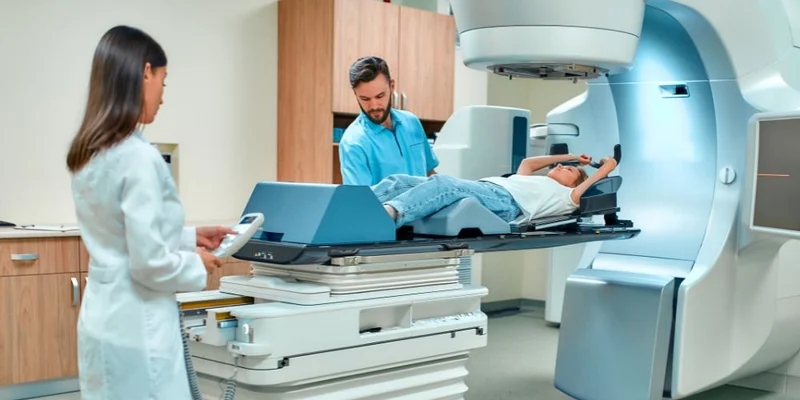
- Radiation Oncologist: Plans and delivers radiation treatments.
- Respiratory Physician (Pulmonologist): Manages lung health and often performs diagnostic bronchoscopies.
- Pathologist and Molecular Geneticist: Provide the critical diagnosis and biomarker testing results that guide therapy.
Frequently Asked Questions (FAQ)
Q: Is biomarker testing really necessary?
A: Yes, it is a standard part of the diagnostic workup for NSCLC. It is the only way to identify whether a patient's cancer has a specific mutation that can be targeted with often more effective and less toxic pill-based therapies. International treatment guidelines strongly recommend comprehensive testing.
Q: What happens if my cancer stops responding to a targeted therapy?
A: Resistance eventually develops to most targeted drug. When this happens, the treatment approach is reassessed. Options may include repeating a biopsy to look for new resistance mutations, switching to a different targeted therapy combination, or moving to other modalities like chemotherapys or immunotherapy, depending on the individual case.
Q: Are the latest treatments and drug available in public hospitals?
A: Access to the newest drug can vary. In Australia, new treatments must be approved by the Therapeutic Goods Administration (TGA) and then evaluated for cost-effectiveness to be funded on the Pharmaceutical Benefits Scheme (PBS). Some newer drug or combinations may be available through clinical trials or via private health insurance before they receive PBS listing. A patient's oncologist can provide the most current information on access pathways.
Sources and Data References:
- https://www.cancer.org/cancer/types/lung-cancer.html
- https://www.cancer.org/cancer/types/non-small-cell-lung-cancer.html
- https://www.cancer.gov/types/lung
- https://www.cancer.gov/types/lung/patient/non-small-cell-lung-treatment-pdq
- https://www.nccn.org/patients/guidelines/content/PDF/nsclc-patient.pdf
- https://www.esmo.org/guidelines/lung-and-chest-tumours
- https://www.iaslc.org/research-education/publications-resources
- https://www.mayoclinic.org/diseases-conditions/lung-cancer/diagnosis-treatment/drc-20374627
- https://www.cancer.net/cancer-types/lung-cancer-non-small-cell
- https://www.cancer.gov/about-cancer/treatment/types/immunotherapy
- https://www.cancer.gov/about-cancer/treatment/types/targeted-therapies
- https://www.tga.gov.au
- https://www.pbs.gov.au
- https://clinicaltrials.gov
Related Articles
Understanding Male Infertility Treatment Options
Dec 30, 2025 at 6:45 AM
Recognizing the Symptoms of Heart Failure: An Informational Guide
Dec 11, 2025 at 6:40 AM
Clinics Are Seeking Individuals Interested in a Juvederm Facial Lift
Jun 25, 2025 at 8:31 AM
Hand Tremors Essential Information: Causes and Treatments
Sep 29, 2025 at 3:39 AM
Chirurgie laser des poches sous-oculaires
Dec 29, 2025 at 6:23 AM
A Guide to Understanding IVF Treatment: Process, Considerations, and Pathways
Feb 4, 2026 at 7:40 AM
Photofacial: A Modern Solution for Skin Rejuvenation
Sep 28, 2025 at 6:42 AM
Immuno Therapy: A Breakthrough in Modern Medicine
Sep 24, 2025 at 2:32 AM
Your Path to a New Smile: Understanding the "Teeth in a Day" Procedure
Dec 8, 2025 at 5:41 AM
Understanding IVF Treatment: A Comprehensive Overview of the Process and Considerations
May 15, 2025 at 10:10 AM


This website only serves as an information collection platform and does not provide related services. All content provided on the website comes from third-party public sources.Always seek the advice of a qualified professional in relation to any specific problem or issue. The information provided on this site is provided "as it is" without warranty of any kind, either express or implied, including but not limited to the implied warranties of merchantability, fitness for a particular purpose, or non-infringement. The owners and operators of this site are not liable for any damages whatsoever arising out of or in connection with the use of this site or the information contained herein.