

Influencer Program Complete Guide
Ever scrolled through social media and seen a favorite creator talking about a product, with a special link in their bio? That is often part of something called an influencer program. Brands large and small are using these programs to connect with new audiences in a more genuine way. This guide walks through what influencer programs are, the different types available, how they work, who might be involved, the benefits they offer, and some well-known platforms that host them. There is also a section with frequently asked questions to help make the whole concept a bit clearer.
What Are Influencer Programs?
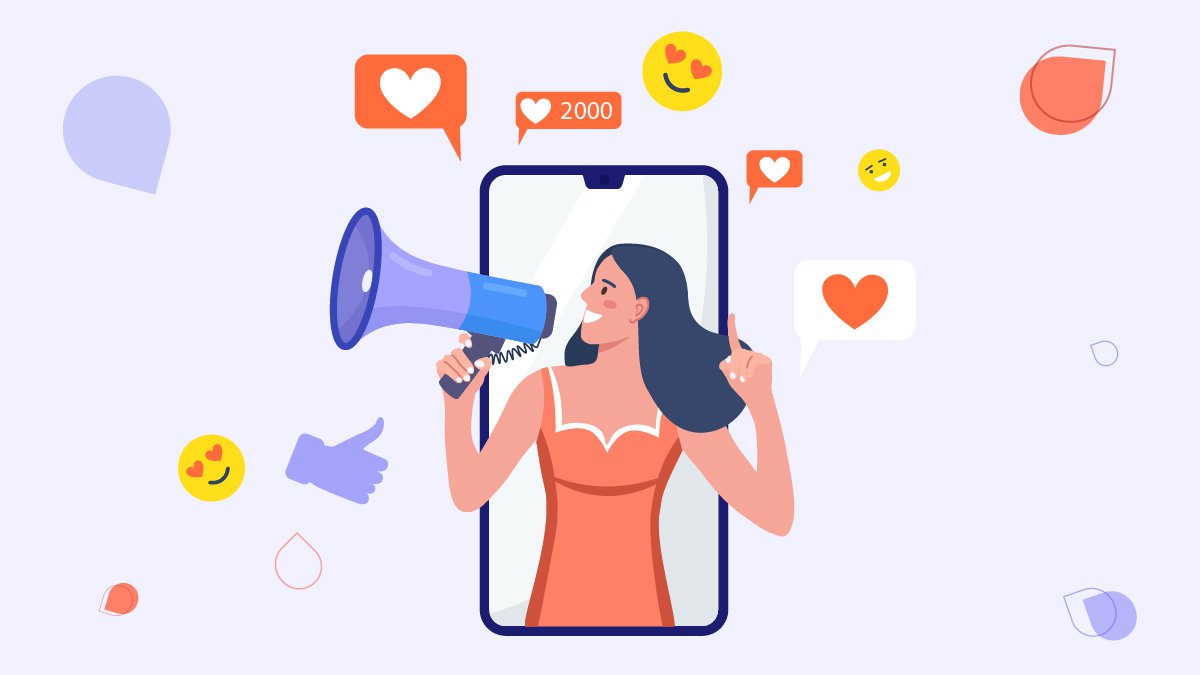
In short, influencer programs are structured partnerships between brands and individuals who have an established online audience, often called influencers or content creators . These programs are a form of partnership marketing where brands build relationships with people who already have influence or trust with a target audience. Instead of relying solely on traditional ads, the brand grows by tapping into the creator's community. In exchange for promoting products or services, creators typically receive rewards, which can include commissions,products, or flat fees .
Different Types of Influencer Programs
Not all influencer programs look the same. They generally fall into a few categories, each with distinct goals and compensation methods.
| Program Type | How It Works | Main Goal |
|---|---|---|
| Paid Influencer Programs | Creators receive financial payment, sometimes along with products, in exchange for specific content deliverables. Contracts outline expectations like the number of posts, messaging guidelines, and timelines . | Brand campaigns, product launches, and maintaining message control. |
| Affiliate-Style Programs | Creators earn a commission on every sale generated through their unique tracking links or codes. This is a performance-based model where payment depends on results . | Driving direct sales and tracking return on investment. |
| Gifting Programs | Brands send products to creators with no financial compensation, hoping they will share the product with their audience. There is usually no guaranteed content . | Building early relationships, generating buzz, especially for new or visually appealing products. |
Who Participates in Influencer Programs?
The individuals involved can range widely in follower count and influence level. They are often categorized by audience size:
- Nano-Influencers (1k-10k followers): These creators have highly engaged, niche audiences. Their recommendations often feel like authentic advice from a trusted friend, which can lead to higher conversion rates .
- Micro-Influencers (10k-100k followers): Offering a balance of reach and engagement, they often have expertise in a specific area like fitness, beauty, or home decor. According to Statista, influencers with smaller followings can exhibit the highest engagement rates on platforms like TikTok .
- Macro-Influencers and Celebrities (100k+ followers): These individuals offer broad reach and can be effective for massive brand awareness campaigns, though they often require larger budgets .
How Influencer Programs Work
The process typically involves several steps. Brands first identify creators whose audience aligns with their target market . They then reach out to negotiate the specifics, which can include the number of posts, content schedule, brand tone, and proposed payment .
For performance-based programs, creators are given unique affiliate links or promo codes. This allows the brand to track exactly how many sales or leads each creator generates. When a follower clicks the link and makes a purchase, the creator earns a commission . This model is attractive to brands because they only pay for results.
Benefits of Influencer Programs
Influencer programs offer a range of advantages for both brands and creators, making them a popular marketing approach.
- Builds Authentic Trust: Recommendations from trusted creators often feel more genuine than traditional advertisements. Audiences frequently view influencers as peers or experts, so their endorsements carry significant weight .
- Expands Reach to Targeted Audiences: Partnering with creators allows brands to tap into established, niche communities that might be difficult to reach through conventional marketing channels. This ensures marketing efforts are seen by people already interested in related content .
- Drives Measurable Results: With affiliate-style programs, brands can track sales, clicks, and conversions directly through unique links and codes. This performance-based model makes it easier to calculate return on investment .
- Generates Valuable Content: Brands receive a steady stream of user-generated content from creators, including photos, videos, and reviews. This material can be repurposed for the brand's own social media channels, website, and advertising campaigns .
- Enhances Brand Credibility: Being associated with respected creators can lend credibility to a brand, especially when entering new markets or launching new products. The creator's audience may transfer their trust to the brand being promoted .
- Cost-Effective Options: While top-tier influencers can command high fees, micro and nano-influencers often offer more affordable partnership opportunities with highly engaged audiences, providing strong value for smaller budgets .
- Supports SEO and Online Visibility: Mentions, backlinks, and social media activity generated through influencer programs can contribute to a brand's online presence and search engine visibility .
- Provides Social Proof: When multiple creators feature a product, it creates social proof, signaling to potential customers that the product is popular and worth trying.
Examples of Well-Known Influencer Programs
Several major platforms have developed their own programs to facilitate these partnerships.
- Amazon Creator Connections: This program connects Amazon brand sellers with content creators like social media influencers, bloggers, and publishers . Sellers can set a commission rate (minimum 10%) and a total campaign budget. Creators then promote the products through their content, earning commissions on sales they drive. Brands can communicate directly with creators and choose whether to send product samples . Amazon also has a related Amazon Influencer Program, which allows creators to have their own curated storefront on Amazon .
- TikTok Creator Program (and related initiatives): TikTok offers support for creators through programs designed to help them grow and monetize. This includes opportunities for brand partnerships, where creators can earn through sponsored content, affiliate revenue, or platform incentives . TikTok also provides resources like educational content and analytics tools to help creators understand their audience and optimize their videos . TikTok for Business has also launched solutions like "TikTok Premier Selection" to help brands connect with creators for marketing campaigns .
- Affiliate Networks and Platforms: Beyond platform-specific programs, there are services like Tapfiliate that allow brands to manage their own influencer, affiliate, and referral programs in one place. These platforms provide tools for tracking, analytics, and payouts .
Frequently Asked Questions (FAQ)
Q. What's the difference between an influencer program and an affiliate program?
A. While they can overlap, an influencer program often focuses on building brand awareness and authenticity through content creation, sometimes with upfront payments. An affiliate program is typically a performance-based model where partners (who could be influencers, bloggers, or publishers) earn commissions solely on sales they drive .
Q. How do influencers get paid?
A. Influencers get paid through several methods: flat fees for a specific campaign, commissions on sales through affiliate links, products, or a combination of these . Payment depends on the agreement between the brand and the creator.
Q. Do you need a huge following to be in an influencer program?
A. Not at all. Many brands actively seek nano and micro-influencers because their audiences are often highly engaged and trusting. Their recommendations can lead to better conversion rates for specific products .
Q. Is influencer marketing effective?
A. Many brands find it effective for reaching targeted audiences in a more authentic way. The key is to measure success against specific goals, whether that is brand awareness, engagement, or direct sales . The influence on purchasing decisions, particularly among younger demographics, is significant .
Q. What is a creator storefront?
A. A creator storefront is a personalized, shoppable landing page where a creator can curate and feature their favorite products from a brand. It creates a seamless shopping journey for their followers, making it easier to browse and purchase recommended items directly .
Building an influencer program is about creating mutually beneficial relationships between brands and creators. Whether aiming for broad awareness or targeted sales, these programs offer a flexible way to connect with audiences through voices they already know and trust.
Reference Links
- https://support.tapfiliate.com/en/articles/12791895-affiliate-referral-or-creator-influencer-program-choosing-the-right-for-your-brand
- https://gs.amazon.cn/icp/article/alex-content-creator-practical
- http://www.tikclubs.com/electricity-detail/57071
- https://openinfluence.com/gifting-vs-paid-influencer-programs/
- https://www.shopify.com/pk/blog/tiktok-influencers
- https://loudcrowd.com/blog/how-to-build-a-high-roi-creator-program-in-2025/
- https://sellercentral.amazon.com.mx/seller-forums/discussions/t/a1937c37-5509-45dd-b6f4-60b5025f3af5
- https://www.upkuajing.com/knowledge/zixun/20603
- https://www.upkuajing.com/knowledge/zixun/18229
Related Articles
U.S. Visa Application in Malaysia: A Practical Guide
Mar 9, 2026 at 7:46 AM
AI Assistants: Your Everyday Helper – A Complete Guide
Mar 16, 2026 at 7:20 AM
Understanding Mobile Phone Plans with Considerations for Older Adults
Feb 4, 2026 at 7:05 AM
What Is a Backyard Apartment? A Practical Guide to Design, Costs, and Regulations
Dec 29, 2025 at 6:28 AM
Hong Kong Voluntary Health Insurance Scheme (VHIS): Enhanced Protection for People Aged 50 and Above
Dec 3, 2025 at 8:51 AM
Your Complete Guide to Shipping Container Garages
Mar 10, 2026 at 5:57 AM
AI Applications in the U.S.: A Realistic Guide for Everyday Life
Mar 9, 2026 at 5:40 AM
A Guide to Life Insurance in Canada for Those Aged 50 and Above
Feb 9, 2026 at 7:11 AM
Personal Fuel Cards in the U.S.: A Practical Guide to Saving Money While Driving
Mar 9, 2026 at 8:30 AM
Private Health Insurance in Australia: A Guide for Those Aged 50 and Over
Feb 26, 2026 at 8:57 AM
Renting Storage Space, What Are the Options
Mar 17, 2026 at 5:29 AM
Your Complete Guide to Pet Clinics in the US: From Choosing Care to Understanding Services
Mar 11, 2026 at 8:35 AM
A Guide to Corporate Wellness Programs: A Real-World Look at Workplace Health Initiatives
Mar 4, 2026 at 9:23 AM
Mental Health Guide: From Self-Observation to Clinic Help
Dec 5, 2025 at 7:51 AM
Cyber Insurance: A Practical Guide to Protecting Your Digital Life
Mar 16, 2026 at 8:03 AM
About Laser Pigment Removal: What You Need to Know
Jul 15, 2025 at 9:17 AM
Modern Backyard Apartment Information Guide
Dec 23, 2025 at 8:59 AM
AI Marketing Jobs in Malaysia: A Career Guide
Mar 9, 2026 at 7:29 AM
A Strategic Guide to Part-Time MBA Programs in Singapore
Mar 11, 2026 at 8:02 AM
A Comprehensive Overview of Online Language Course
Oct 17, 2025 at 8:36 AM


This website only serves as an information collection platform and does not provide related services. All content provided on the website comes from third-party public sources.Always seek the advice of a qualified professional in relation to any specific problem or issue. The information provided on this site is provided "as it is" without warranty of any kind, either express or implied, including but not limited to the implied warranties of merchantability, fitness for a particular purpose, or non-infringement. The owners and operators of this site are not liable for any damages whatsoever arising out of or in connection with the use of this site or the information contained herein.