Medical Devices
Medical Devices Commonly Used in Elderly Care Settings: A Technical Overview

Medical devices used in elderly care refer to a diverse range of instruments, machines, and software designed to assist in the management of age-related physiological changes, chronic conditions, and functional limitations. These devices function as essential components in long-term care facilities and home-based environments, focusing on three primary objectives: physiological monitoring, mobility support, and life-sustaining assistance. This article provides a neutral, science-based exploration of the technological landscape in geriatric care. We will examine the core mechanisms of assistive and diagnostic hardware, the biological rationale for their implementation, and the objective considerations regarding their accuracy and safety. The following sections follow a structured trajectory: defining the foundational categories of elderly care technology, explaining the mechanical and electronic principles of key devices, presenting a comparative overview of their clinical utility, and concluding with a technical inquiry section to address common questions regarding maintenance and data integration.

1. Basic Conceptual Analysis: Categorizing Geriatric Technology
To analyze the devices utilized in elderly care, one must first identify the functional domains they address. Age-related healthcare involves a shift toward managing multi-morbidity—the presence of two or more chronic conditions—which necessitates a multi-layered technological approach.
Mobility and Fall Prevention Devices
Falls are a significant concern in elderly populations. Devices in this category range from passive mechanical (walkers, canes) to active electronic systems (sensor-based fall detectors and motorized lift chairs). Their primary goal is the redistribution of mechanical load and the maintenance of postural stability.
Monitoring and Diagnostic Tools
These devices track vital signs and metabolic markers. Because older individuals may exhibit "silent" or atypical symptoms of illness, continuous or frequent monitoring of blood pressure, heart rate, oxygen saturation, and blood glucose provides the objective data necessary for timely clinical intervention.
Respiratory and Life-Support Systems
Conditions such as chronic obstructive pulmonary disease (COPD) or sleep apnea often require mechanical assistance. Devices like oxygen concentrators and Continuous Positive Airway Pressure (CPAP) machines utilize electromechanical processes to ensure adequate gas exchange and airway patency.
Regulatory Standards
According to the World Health Organization (WHO), medical devices for aging populations must be evaluated for "usability," ensuring that those with sensory or cognitive changes can operate them safely. These devices are regulated under various classes by the U.S. Food and Drug Administration (FDA) based on their complexity and the risk associated with malfunction.
2. Core Mechanisms: Mechanical Advantage and Biosensing
The efficacy of these devices is rooted in their ability to apply physical laws and electronic sensing to the unique needs of the elderly body.
Biomechanics of Mobility
Mobility devices function by increasing the base of support and reducing the energy expenditure required for movement.
- Redistribution of Force: A four-point walker provides a wider base of support than a human gait, lowering the center of gravity and stabilizing the user against lateral sways.
- Mechanical Leverage: Specialized lift chairs use motorized actuators to tilt the base of the chair forward, assisting the user in moving from a seated to a standing position by reducing the required force from the quadriceps and hip extensors.
Oscillometry and Spectrophotometry in Monitoring
Home monitoring devices rely on transducers to convert biological signals into digital data.
- Automated Blood Pressure Monitors: These use the oscillometric method. As the cuff deflates, a sensor detects the oscillations of the arterial wall. Algorithms then calculate the systolic and diastolic pressures based on these vibration patterns.
- Pulse Oximeters: These utilize spectrophotometry. By emitting specific wavelengths of light (red and infrared) through the fingertip, the device measures the absorption ratio of oxygenated versus deoxygenated hemoglobin to determine oxygen saturation ($SpO_2$).
Pressure Swing Adsorption (Oxygen Concentrators)
Oxygen concentrators are used for long-term oxygen therapy.
- Mechanism: The device pulls in room air (approximately 21% oxygen and 78% nitrogen). Using a compressor and a molecular sieve (zeolite), it adsorbs nitrogen under high pressure. The resulting output is medical-grade oxygen (typically 90-95% purity) delivered via a nasal cannula.
3. Presenting the Full Picture: Objective Comparison and Safety
The integration of medical devices into elderly care requires a balanced assessment of their technical capabilities and the human variables that influence their performance.
Comparative Overview of Common Devices
| Device Category | Primary Function | Technical Principle | Clinical Value |
| Mobility | Gait Stabilization | Load Redistribution | Fall risk reduction |
| BP Monitors | Hemodynamic Tracking | Oscillometry | Hypertension management |
| Glucometers | Metabolic Monitoring | Electrochemical Biosensing | Glycemic stability |
| CPAP Machines | Airway Patency | Positive Air Pressure | Managing sleep-disordered breathing |
| Oxygen Concentrators | Gas Exchange | Molecular Sieve Adsorption | Managing chronic hypoxemia |
Accuracy and Limitations
Data from the National Institutes of Health (NIH) highlights that the accuracy of home-based monitoring can be influenced by physiological factors common in the elderly, such as peripheral artery disease or skin thinning. For instance, low peripheral blood flow can result in "false" low readings on pulse oximeters, while incorrect cuff sizing in blood pressure monitors is a leading cause of data variance.
The Rise of Telehealth and IoMT
Many modern devices now belong to the Internet of Medical Things (IoMT). Bluetooth-enabled monitors can transmit data to cloud platforms, allowing healthcare providers to review trends remotely. While this increases "health awareness," it also necessitates a technical infrastructure that ensures data security and interoperability between different brands of equipment.
4. Summary and Future Outlook: Toward Integrated Systems
The future of medical devices in elderly care is moving toward "ambient sensing" and autonomous assistance.
Future Directions in Research:
- Wearable Bio-Sensors: Development of flexible, skin-like sensors that monitor heart rate, temperature, and sweat electrolytes continuously without the need for bulky hardware.
- AI-Enhanced Fall Detection: Utilizing computer vision or floor-embedded sensors that can distinguish between a user sitting down quickly and an actual fall, reducing "alarm fatigue."
- Smart Orthotics: Motorized braces that provide active power to the knee or ankle joints, assisting those with muscle weakness to maintain an independent gait.
- Autonomous Mobility: Research into "smart walkers" equipped with LiDAR and sensors that can detect obstacles or automatically apply brakes on a downward slope.
5. Q&A: Clarifying Technical and Maintenance Inquiries
Q: Why is it important to check the calibration of home monitoring devices?
A: Electronic sensors can "drift" over time due to environmental factors like humidity or battery fluctuations. For devices like blood pressure monitors, it is technically recommended to verify their accuracy against a professional-grade manual sphygmomanometer at least once a year.
Q: Can environmental factors affect an oxygen concentrator's performance?
A: Yes. Since concentrators extract oxygen from the surrounding air, they require adequate ventilation. If placed in a confined space or near a heat source, the molecular sieve's efficiency may decrease, leading to a lower concentration of output oxygen.
Q: What is the difference between a "Standard" walker and a "Rollator"?
A: A standard walker has no wheels (or only two) and requires the user to lift the device or slide it. A rollator has four wheels and hand brakes. Rollators are better for those who need a constant, fluid gait but have enough balance to control a rolling device, whereas standard walkers offer more static stability.
Q: Do pulse oximeters work if the user has cold hands?
A: Accuracy may be reduced. Pulse oximetry requires a "pulsatile" blood flow to distinguish between arterial blood and background tissue. Cold hands often cause peripheral vasoconstriction (narrowing of blood vessels), which weakens the signal and may result in an error or an inaccurate $SpO_2$ reading.
Q: How do digital thermometers differ from older versions?
A: Modern digital thermometers use thermistors—resistors whose resistance changes significantly with temperature. Infrared thermometers measure the thermal radiation emitted by the eardrum or forehead. Both are faster and eliminate the risks associated with older glass-and-substance instruments.
This article provides informational content regarding the technical mechanisms and regulatory frameworks of medical devices used in elderly care. For individualized medical evaluation, diagnostic assessment, or the development of a health management plan, consultation with a licensed healthcare professional is essential.

Other Articles
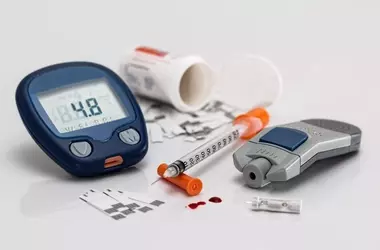 Dec 30, 2025
How Diagnostic Devices Support Clinical Decision-Making
Diagnostic devicesare specialized technological instruments, ranging from simple thermometers to complex magnetic resonance imaging (MRI) systems, designed to identify the nature and cause of a physiological condition. In the modern medical landscape, these tools serve as the objective foundation forclinical decision-making—the process by which healthcare professionals evaluate data to determine a management plan. By translating biological phenomena into quantifiable data, diagnostic devices move the clinical process from subjective observation to evidence-based analysis. This article provides a neutral, science-based exploration of diagnostic technology, detailing the categorization of in-vitro and in-vivo tools, the biochemical and physical mechanisms of signal acquisition, and the objective impact of high-fidelity data on professional judgment. The following sections follow a structured trajectory: defining the parameters of diagnostic sensing, explaining the core mechanisms of imaging and biosensing, presenting a comprehensive view of diagnostic accuracy and its limitations, and concluding with a technical inquiry section to address common questions regarding device reliability and data integration.
 By Dr. Mei Wong
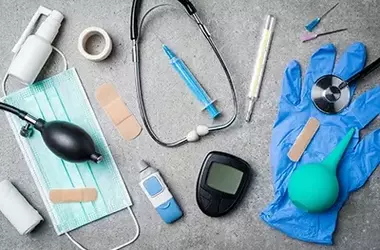 Dec 30, 2025
Understanding Medical Monitoring Devices and Their Limitations
Medical monitoring devicesare specialized instruments designed to measure, record, and display physiological parameters of the human body in real-time or over extended periods. These devices—ranging from clinical-grade bedside monitors to portable consumer wearables—serve as essential tools for capturing vital signs such as heart rate, blood pressure, oxygen saturation, and electrical cardiac activity. The objective of this article is to provide a neutral, evidence-based exploration of monitoring technology. It will define the foundational categories of these instruments, explain the biochemical and physical mechanisms of signal acquisition, and present a balanced discussion on their technical constraints and the variables that influence data accuracy. The following sections follow a structured trajectory: defining the parameters of medical sensing, detailing the core mechanisms of transductive technology, assessing the objective limitations of data interpretation, and concluding with a technical inquiry section to address common questions regarding device calibration and reliability.
 By Dr. Alejandro Ruiz
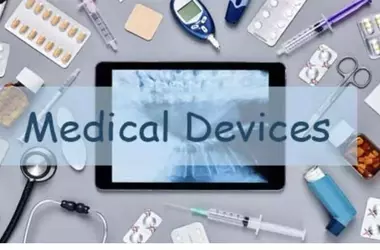 Dec 30, 2025
When Supportive Devices Are Used Alongside Medical Treatment
The integration ofsupportive devicesalongside primary medical treatment refers to a multidisciplinary approach where physical hardware or electronic instruments are used in conjunction with pharmaceutical or surgical interventions to optimize patient outcomes. These devices—ranging from mobility and respiratory supports to advanced monitoring systems—are not intended to replace primary therapy but to act as structural or functional adjuncts that facilitate recovery, stabilize physiological parameters, or improve daily function. This article provides a neutral, science-based exploration of the synergy between clinical treatment and supportive technology. It details the mechanical and biological principles of integrated care, examines how data from monitoring devices informs treatment adjustments, and discusses the objective criteria for device implementation. The following sections follow a structured trajectory: defining the parameters of adjunctive device use, explaining the core mechanisms of mechanical and physiological support, presenting a comprehensive view of the clinical landscape, and concluding with a technical inquiry section to address common questions regarding device maintenance and data integration.
 By Dr. Ibrahim Khalil