

The Complete Guide to Custom Mailer Boxes in the United States: From Concept to Creation
Shipping a product is more than just getting it from point A to point B—it's often the first physical interaction a customer has with a brand. For businesses across the United States, from small Etsy shops to large e-commerce platforms, the box on the doorstep carries a lot of weight. This guide explores everything about custom mailer boxes: why they are used, the different styles available, how to choose materials and sizes, what goes into the design and ordering process, and typical cost considerations. Consider this a practical overview for anyone looking to understand how custom packaging works.
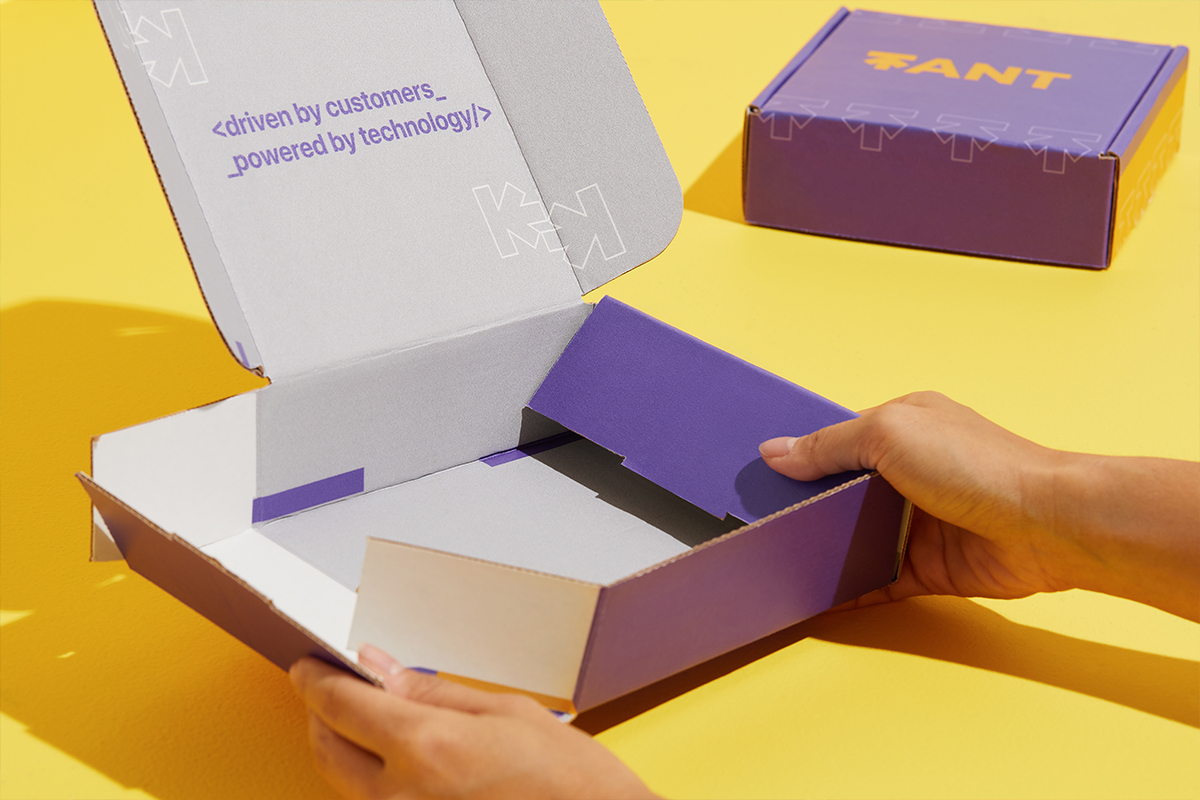
What Exactly is a Custom Mailer Box?
A custom mailer box is a shipping container, typically made of corrugated fiberboard or paperboard, that is designed and printed specifically for a brand . Unlike a plain brown box, it's tailored in dimension, structure, and print to fit a product perfectly and reflect a company's identity . These boxes are often self-contained with interlocking flaps, which can sometimes eliminate the need for extra tape or padding, making them a popular choice for e-commerce, subscription services, and retail shipments .
Why Businesses Consider Custom Mailer Boxes
For many companies, packaging is an extension of their brand. A well-designed custom mailer box serves several purposes.
Brand Recognition and Experience
Every shipment is an opportunity to showcase a logo, brand colors, and messaging. Printing on both the exterior and interior of a box can transform a simple delivery into a memorable "unboxing experience" that customers might even share on social media . This physical touchpoint replaces the in-store experience for online-first retailers and can significantly influence how a brand is perceived .
Product Protection
The primary job of any box is to protect its contents. Custom mailer boxes are engineered to the exact dimensions of a product, which minimizes movement and reduces the need for excessive void fill like bubble wrap or packing peanuts . The strength of the material, often measured by its corrugated flute construction, can be matched to the item's weight and fragility .
Sustainability Goals
Many businesses and customers are increasingly focused on environmental impact. Custom mailer boxes can be made from recyclable and eco-friendly materials like kraft paperboard or corrugated cardboard with high recycled content . Choosing the right size also reduces material waste and can lead to more efficient shipping.
Common Styles of Mailer Boxes
There isn't one standard box; different styles serve different purposes. Here are some of the most common types found in the U.S. market :
| Box Style | Description | Common Uses | Typical Assembly & Closure |
|---|---|---|---|
| Tuck Top Mailer | A classic design with flaps that tuck into the box body. | Lightweight items, cosmetics, apparel, subscription boxes . | No tape required; simple to open and reseal . |
| Self-Locking / Auto-Bottom Mailer | Features a base that locks into place automatically when assembled. | Electronics, heavier items, gift packaging . | Fast setup, sturdy foundation, no glue or tape needed for the bottom . |
| One-Piece Folder | A slim, durable option that folds around its contents. | Binders, documents, presentation materials, books . | Often requires glue or tape to close securely . |
| Ear Lock Mailer | A secure, self-locking style often used for subscription boxes. | E-commerce packaging, subscription products . | Secure closure; tape is recommended for shipping to prevent tampering . |
| Regular Slotted Container (RSC) | The most common box style with top and bottom flaps meeting in the center. | General shipping, durable goods, e-commerce . | Requires tape or adhesive to seal . |
Materials Matter: Balancing Strength, Look, and Sustainability
The material chosen for a mailer box affects its durability, print quality, cost, and environmental footprint .
- Corrugated Cardboard: The most common material, made with a fluted inner layer for strength and cushioning. Different flute sizes (like E-flute for better printing or B-flute for more protection) offer different benefits . It's highly recyclable.
- Kraft Paperboard: Made from recycled fibers, this material has a natural brown look that appeals to brands emphasizing sustainability and a rustic, eco-friendly aesthetic .
- White Chipboard / Premium Rigid Stock: Offers a smooth, bright surface ideal for vibrant, full-color printing. Rigid stock is thicker and heavier, providing a premium, luxurious feel often used for high-end gifts or electronics .
- Clay-Coated Corrugated: Features a white or glossy outer layer that enhances print sharpness and detail, making colors pop and logos look crisp .
Getting the Size Right: Why Dimensions are Critical
Choosing the correct size is one of the most important steps. A box that's too large means higher shipping costs (due to dimensional weight pricing from carriers like FedEx, UPS, and USPS) and more wasted void fill . A box that's too small risks damaging the product.
Carriers have minimum size requirements. For example, FedEx requires packages to be at least 7" x 4" x 2" . Custom sizes can be ordered to fit a product exactly, which protects the item better and often saves money on shipping in the long run . Working with a supplier, businesses can determine the most efficient dimensions for their specific product and fulfillment process .
Printing and Design: How Customization Works
Custom mailer boxes can be printed inside and out with logos, graphics, and text .
- Design Process: Customers can typically upload their own artwork or use online design tools with customizable templates. For more complex projects, some providers offer professional design collaboration services to ensure the artwork is print-ready .
- Printing Methods: Offset printing is common for large runs and provides high color consistency. Digital printing is more economical for shorter runs and allows for faster turnaround times .
- Finishes: After printing, options like matte or gloss lamination can be added to protect the box and enhance its look. Other finishes, such as spot UV (for a glossy, raised effect) or embossing, can add a tactile, premium feel .
Understanding the Ordering Process and Costs
Ordering custom boxes involves several steps and considerations.
- Planning: Define the product's dimensions, weight, target quantity, budget, and desired timeline. It's important to consider seasonal peaks in demand .
- Choosing a Supplier: Businesses can work with local packaging manufacturers or online providers. Factors to consider include the supplier's experience, certifications (like FSC for sustainable forestry), and quality control processes .
- Requesting a Quote and Samples: Contact suppliers with the project details to get a quote. Ordering a physical sample—often available for a fee, such as $55 from some services—is highly recommended to see and feel the quality before committing to a large order .
- Production and Lead Times: Production time varies. Simpler digital print runs can take 7-14 days, while offset printing with custom tooling might take 3-6 weeks. More complex, fully custom boxes with inserts can take 2-6 weeks .
- Cost Factors: The per-unit cost depends on the box style, material, size, print complexity (number of colors), and order quantity. Volume discounts are significant in packaging .Simple mailer boxes might range from $1.42 each for a quantity of 1000 to $3-$8 each depending on specs .More premium, fully custom boxes with special inserts can range from $5 to $150 or more per unit .
Where to Find Custom Mailer Box Services
Companies that provide custom mailer boxes can be found across the United States.
- National Print and Ship Centers: Services like FedEx Office offer online platforms where businesses can design and order custom boxes with various styles and materials. These orders are fulfilled by trusted third-party sellers and shipped directly .
- Specialized Packaging Companies: Numerous companies, such as Custom Size Boxes (based in Texas) or Make A Boxes (based in California), specialize solely in custom packaging solutions. They often offer a wider range of structural designs and materials .
- Online Marketplaces and Manufacturers: Platforms like Alibaba connect businesses with manufacturers, both domestic and international. This can be an option for larger volumes, but it requires careful vetting of suppliers .
Frequently Asked Questions (FAQ)
Q: What is the typical minimum order quantity for custom mailer boxes?
A: Minimum order quantities (MOQs) vary by supplier and printing method. Digital printing services often have lower MOQs, starting in the hundreds. Offset printing, which requires making printing plates, usually requires larger runs in the thousands .
Q: Are custom mailer boxes recyclable?
A: Yes, most custom mailer boxes made from corrugated cardboard or paperboard are widely recyclable in curbside programs. Choosing materials like kraft paper and avoiding mixed-material laminations can make them even easier to recycle .
Q: How much do custom mailer boxes increase shipping costs?
A: The impact depends on the box's size and weight. A well-fitted box that minimizes empty space can actually help control costs by avoiding dimensional weight (DIM weight) surcharges from carriers. It's always a good idea to run cost simulations with carrier rate charts during the design phase .
Q: Can I get a sample before placing a bulk order?
A: Yes, most reputable suppliers offer sampling services. There is often a fee for the sample (to cover production and shipping), but it's a worthwhile investment to verify the size, material quality, and print colors before approving a large production run .
Q: How long does it take to get custom boxes?
A: Lead times vary. A standard digital print run might take 1-2 weeks, while offset printing with tooling can take 3-6 weeks. For highly complex designs, it could be longer. It's always best to ask the supplier for their current production timeline and factor in shipping time .
Sources
- https://www.fedex.com/en-us/shipping/packaging.html
- https://www.fedex.com/en-us/shipping/how-to-pack.html
- https://www.ups.com/us/en/support/shipping-support/packaging-advice.page
- https://www.usps.com/ship/packages.htm
- https://www.usps.com/business/prices.htm
- https://www.fedex.com/en-us/shipping/dimensional-weight.html
- https://www.ups.com/us/en/support/shipping-support/shipping-dimensions-weight.page
- https://www.fsc.org/en
- https://www.alibaba.com
- https://www.fedex.com/en-us/office/print/packaging.html
- https://www.customsizeboxes.com
- https://makeaboxes.com
- https://www.epa.gov/recycle/paper-and-cardboard-recycling
- https://www.fibrebox.org
- https://www.paperrecycles.org
Related Articles
Personal Fuel Cards in the U.S.: A Practical Guide to Saving Money While Driving
Mar 9, 2026 at 8:30 AM
U.S. Visa Application in Malaysia: A Practical Guide
Mar 9, 2026 at 7:46 AM
A Guide to Corporate Wellness Programs: A Real-World Look at Workplace Health Initiatives
Mar 4, 2026 at 9:23 AM
Understanding Mobile Phone Plans with Considerations for Older Adults
Feb 4, 2026 at 7:05 AM
Mental Health Guide: From Self-Observation to Clinic Help
Dec 5, 2025 at 7:51 AM
About Laser Pigment Removal: What You Need to Know
Jul 15, 2025 at 9:17 AM
AI Applications in the U.S.: A Realistic Guide for Everyday Life
Mar 9, 2026 at 5:40 AM
Secure Your Future with Trusted Life Insurance
Nov 15, 2024 at 11:58 AM
What Is a Backyard Apartment? A Practical Guide to Design, Costs, and Regulations
Dec 29, 2025 at 6:28 AM
Nail Care Services: Principles, Techniques, and Professional Practices
Mar 19, 2026 at 9:41 AM
Hair Care Services: Principles, Practices, and Educational Insights
Mar 11, 2026 at 10:19 AM
Tattoo and Permanent Makeup Services: Principles, Techniques, and Safety Considerations
Mar 19, 2026 at 9:50 AM
The Future of Efficiency: How AI is Reshaping the Modern Digital Landscape
Mar 18, 2026 at 8:08 AM
Your Complete Guide to Pet Clinics in the US: From Choosing Care to Understanding Services
Mar 11, 2026 at 8:35 AM
Your Complete Guide to Basement Remodeling: From Planning to Completion
Mar 11, 2026 at 8:26 AM
Esports Services: Structure, Operations, and Industry Overview
Mar 11, 2026 at 10:28 AM
Postpartum Care Services: Overview, Practices, and Operational Insights
Mar 11, 2026 at 10:25 AM
Office Cleaning — Principles, Mechanisms, and Organizational Implications
Mar 18, 2026 at 10:17 AM
Renting Storage Space, What Are the Options
Mar 17, 2026 at 5:29 AM
Early Childhood Education Services: Structure, Mechanisms, and Developmental Context
Mar 12, 2026 at 9:54 AM


This website only serves as an information collection platform and does not provide related services. All content provided on the website comes from third-party public sources.Always seek the advice of a qualified professional in relation to any specific problem or issue. The information provided on this site is provided "as it is" without warranty of any kind, either express or implied, including but not limited to the implied warranties of merchantability, fitness for a particular purpose, or non-infringement. The owners and operators of this site are not liable for any damages whatsoever arising out of or in connection with the use of this site or the information contained herein.