

Your Complete Guide to Basement Remodeling: From Planning to Completion
Have you ever stood at the top of your basement stairs, looked down at that dark, cluttered space, and thought, "If only I could make better use of this area"? You are absolutely not alone in having this thought. According to industry data, approximately one million homeowners across the United States decide to finish their basements every year, and this number has been steadily growing. Why? Because people are increasingly realizing that the basement is no longer just a forgotten corner of the house, but a "hidden gem" of square footage waiting to be developed. In the U.S., an unfinished basement is typically not counted in the property tax assessment, almost like getting space. And once it's thoughtfully remodeled, it can not only become the family's favorite activity hub but also significantly boost the home's market value.
This guide will chat with you about the ins and outs of basement remodeling, like a friend who knows the local scene well. We'll start with the most fundamental question—"why remodel"—and show you what others have transformed their spaces into, along with popular styles for inspiration. Then, we'll walk through the remodeling process step by step, discussing the invisible but crucial issues like moisture control, electrical, and plumbing. Finally, we'll offer some tips for choosing a reliable contractor and answer a few of the most common questions.
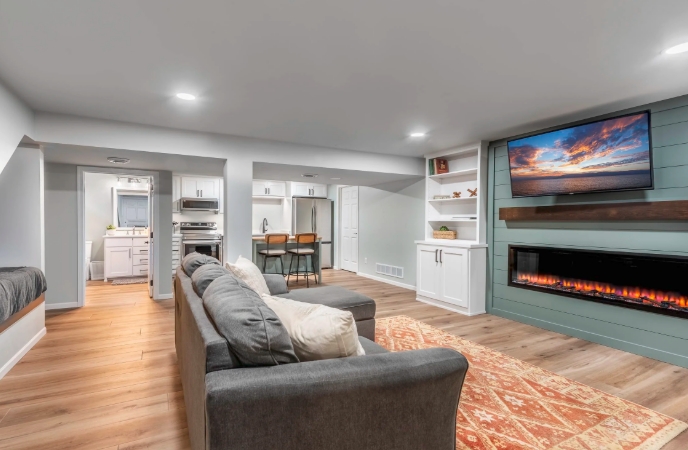
Why Consider a Basement Remodel?
Transforming a basement from raw space to a finished area offers benefits far beyond just adding a few extra rooms.
Increases Home Value, Offers Solid Return on Investment
A well-finished basement is often considered one of the highest-ROI home improvement projects. According to industry observations, a professionally finished basement can achieve a return on investment (ROI) of 70% to 75%. Especially in competitive real estate markets, homes with complete entertainment spaces or separate in-law suites tend to stand out and sell more competitively.
Expands Your Home Without Moving
As family members increase or lifestyles change, so does the need for space. A basement remodel is an economical way to "expand" your home. You get a brand new living area without the hassle and expense of moving.
Improves Everyday Living Comfort
With professional insulation, moisture control, and soundproofing, the basement no longer has to be that cold-in-winter, hot-in-summer, gloomy place. It can become just as comfortable as the upstairs, usable and enjoyable all year round.
What Can It Become? Creative Ideas Worth Considering
The use of a basement largely depends on your imagination and your family's needs. Here are several popular remodeling directions in the U.S.:
Home Theater or Game Room
This is a classic and favorite choice. Turn the basement into an immersive movie-watching space or a gaming paradise. Equip it with comfortable sofas, a large projection screen, and surround sound. Inviting friends over for a game night or playing video games with the kids sounds pretty great.
Home Office
As remote work becomes more common, a quiet, undisturbed home office has become a necessity for many. The basement, away from the hustle and bustle of the main living areas, is an ideal location for setting up a focused workspace.
Guest Room or Rental Suite
For families with frequent guests or aging parents living with them, a bedroom suite with a private bathroom and closet is incredibly practical. In areas where regulations permit and conditions are suitable, basements can even be converted into rental units with a small kitchen, creating an additional income stream for the household.
Home Gym or Wellness Space
Tired of crowded public gyms? Convert the basement into a private fitness area. Install rubber flooring, put up wall mirrors, and set up a treadmill, dumbbells, and yoga mats for workouts anytime at home.
Multi-Purpose Family Entertainment Zone
This is one of the most popular trends—creating a "flex space." It can be a play area for kids during the day, a pool table zone for adults in the evening, and have a small bar tucked in the corner. One single space meets the diverse needs of the whole family.
Popular Basement Design Styles
Don't think a basement has to look like a "basement." Modern designs can be quite sophisticated.
Modern Industrial Style
This style chooses to "embrace" the basement's raw structure. Keep the ceiling open, paint expose ducts and wires a dark color (like black or charcoal gray), and pair it with polished concrete floors and metal light fixtures. This style is not only relatively cost-effective but also full of character. It's particularly suitable for basements with lower ceilings, as it avoids the potential claustrophobia of a dropped ceiling.
Bright and Airy Style
Even though basements lack natural light, clever design can make them feel bright. The core technique is using light colors—a consistent warm white on the walls, ceiling, and trim. This "color-drenching" approach makes the space feel larger and more cohesive. Also, plan for plenty of recessed LED lights to simulate the effect of natural light.
Cozy and Comfortable Style
If the main goal is a home theater or relaxation area, don't be afraid to go with deeper tones. Using rich colors like charcoal gray, navy blue, or even deep green can create an enveloping, intimate feel. Paired with plush sofas and warm lighting, you can achieve a private, sophisticated atmosphere reminiscent of a high-end cinema or cocktail lounge.
High-End Luxury Suite
For homeowners with a budget, basements can be finished to the same standards as a primary bedroom suite. A remodeling company in Virginia once created a project for a client that included a luxurious wine cellar and a modern home office. Every detail, from high-end flooring to custom cabinetry, is chosen for quality.
Detailed Remodeling Steps: From Zero to One
A successful remodeling project typically follows a clear process.
Step 1: Define Needs and Plan Design
Before any work begins, think clearly about the primary function of the space. Then, contact a designer or contractor for an on-site evaluation. Based on your needs and the basement's actual conditions, they will develop a preliminary plan. This phase involves finalizing the layout, and establishing a preliminary budget and timeline.
Step 2: Address Moisture and Waterproofing
This is the most critical step that determines the project's success. Remodeling experts in Boston point out that with significant local rainfall and snowmelt, waterproofing is the first priority. It's essential to check foundation walls for cracks, install or upgrade drainage systems, and use moisture-resistant wall materials. If this step isn't done right, all the beautiful finishes later could be ruined by a single leak.
Step 3: Framing, Insulation, and MEP Rough-Ins
This step creates the basement's "skeleton" and "circulatory system." First, build the wall frames. Install insulation batts in the walls and ceiling to ensure energy efficiency. Simultaneously, electricians and plumbers will begin their rough-in work, running wires, data cables, and water lines according to the plan, and installing the electrical panel. This lays the groundwork for all future lighting, outlets, and bathroom fixtures.
Step 4: Wall, Ceiling, and Flooring Finishes
Once all the "behind-the-scenes" work is complete, it's time for the visible finishes. Install moisture-resistant drywall, then tape, mud, and sand. Based on the design, decide whether to install a dropped ceiling, a smooth drywall ceiling, or leave it open with painted joists for an industrial look. Finally, install the flooring. It's highly recommended to choose waterproof and moisture-resistant materials like luxury vinyl planks (LVP), tile, or engineered wood.
Step 5: Install Fixtures, Hardware, and Furnishings
Finally, it's the "makeup" stage. Install all switches, outlets, and light fixtures. Recessed lighting is a great friend in basements. Hang doors and install handles. The last step is moving in the furniture, hanging curtains, and placing decorative items. A brand new basement space is born.
How to Choose a Reliable Remodeling Company?
Choosing the right contractor is half the battle won. The following points can help you make a decision:
Check Experience and Credentials
It's important to find a company with many years of local experience, as they will be familiar with the area's typical home structures and climate conditions. Make sure to verify they have a valid business license and appropriate insurance. A well-known company in Virginia takes pride in having completed its 500th basement remodeling project; companies with a proven track record like this are often more reliable.
Review Portfolios and Reputation
Ask to see photos of their past projects, ideally ones similar to your home's layout. Also, look up customer reviews online, such as ratings and comments on platforms like Google and Houzz. A company that has won "Best of Service" awards for multiple consecutive years generally has more reliable service quality.
Compare Quotes and Communication
It's advisable to consult with at least 2-3 companies and obtain detailed written quotes. When comparing, don't just look at the bottom-line total; understand exactly what is included in each scope of work. Also, pay attention to the communication. Does the contractor listen well and truly seem to understand your needs?
DIY vs. Hiring a Pro: What's the Approach?
This is a practical question. Some experienced homeowners choose to DIY to save on labor costs. However, basement remodeling has its own set of challenges.
Tasks Suitable for DIY:
- Demolition of old partitions or finishes
- Painting walls
- Installing certain types of flooring
- Installing final trim and finishing touches
Tasks Recommended for Licensed Professionals:
- All electrical work (wiring, panel installation). This isn't just a technical issue; it's about safety and must pass inspection.
- Plumbing installation or modification. A leak here can cause serious damage.
- Structural changes, such as removing load-bearing walls or cutting the foundation for an egress window.
- Complex waterproofing, such as installing a sump pump or repairing foundation cracks.
A good compromise is the "hybrid model." This means handling the labor-intensive but lower-tech tasks yourself—like demolition, painting, and cleanup—while leaving the core electrical, plumbing, and structural work to the licensed professionals.
Frequently Asked Questions
Q: Do I need a permit from the government to remodel my basement?
A: In the vast majority of areas in the U.S., the answer is yes. Any project involving structural changes, adding a bedroom, and all electrical and plumbing work requires a permit. This isn't just about legality; it's crucial to ensure your remodel meets safety codes. For example, any new bedroom must have an egress window of the required size. Unpermitted work can cause problems down the line when you try to sell your house.
Q: How long does the entire remodel take?
A: It depends on the project's complexity. A simple, open-concept basement remodel typically takes 4 to 8 weeks. If the project involves multiple rooms, a full bathroom, or even a small kitchen, the timeline can extend to 12 weeks or more.
Q: What's the typical budget?
A: Costs vary widely, mainly influenced by square footage, material choices, and project complexity. Nationwide, the average cost for professional contractor work ranges from $15,000 to $75,000. DIY can significantly reduce the labor cost, but materials and tools will still cost anywhere from a few thousand to over ten thousand dollars. An important tip: set aside a contingency fund of 10%-20% of your budget to cover unexpected issues that often come up once the walls are opened.
Q: Moisture is the biggest enemy in basements. How do I deal with it?
A: This is the number one issue in basement remodeling. The solution requires a two-pronged approach: inside and out.
- Exterior: Ensure the soil grading around the house slopes away from the foundation, directing rainwater away rather than letting it pool against the walls.
- Interior: Install a reliable vapor barrier and insulation. If you live in an area with a high water table or the house has a history of leaks, installing a sump pump is a wise investment. Finally, after the remodel is complete, you can use a dehumidifier to maintain comfortable humidity levels.
References
- https://www.sunshoreconstruction.com/
- https://mlcremodels.com/diy-basement-remodeling-what-you-need-to-know/
- https://www.barchart.com/story/news/37049923/elegant-kitchen-and-bath-completes-500th-basement-remodeling-project-across-northern-virginia
- https://mulingconstruction.com/
- https://basementremodelingchicago.net/diy-basement-remodeling-guide/
- https://www.bindiflooring.com/n/6124.html
- https://www.kellowconstruction.com/blog/10-step-guide-to-basement-remodeling-in-santa-barbara-for-2025
Related Articles
About Laser Pigment Removal: What You Need to Know
Jul 15, 2025 at 9:17 AM
Mental Health Guide: From Self-Observation to Clinic Help
Dec 5, 2025 at 7:51 AM
U.S. Visa Application in Malaysia: A Practical Guide
Mar 9, 2026 at 7:46 AM
A Guide to Life Insurance in Canada for Those Aged 50 and Above
Feb 9, 2026 at 7:11 AM
AI Applications in the U.S.: A Realistic Guide for Everyday Life
Mar 9, 2026 at 5:40 AM
What Is a Backyard Apartment? A Practical Guide to Design, Costs, and Regulations
Dec 29, 2025 at 6:28 AM
Funeral Insurance in the United States: A Complete Guide
Feb 27, 2026 at 9:08 AM
Your Complete Guide to Pet Clinics in the US: From Choosing Care to Understanding Services
Mar 11, 2026 at 8:35 AM
Hong Kong Voluntary Health Insurance Scheme (VHIS): Enhanced Protection for People Aged 50 and Above
Dec 3, 2025 at 8:51 AM
A Guide to Private Health Insurance for Those Aged 50 and Over
Feb 26, 2026 at 8:43 AM


This website only serves as an information collection platform and does not provide related services. All content provided on the website comes from third-party public sources.Always seek the advice of a qualified professional in relation to any specific problem or issue. The information provided on this site is provided "as it is" without warranty of any kind, either express or implied, including but not limited to the implied warranties of merchantability, fitness for a particular purpose, or non-infringement. The owners and operators of this site are not liable for any damages whatsoever arising out of or in connection with the use of this site or the information contained herein.