

Diversified investment strategies: risks and rewards on crowdfunding platforms
I. Introduction
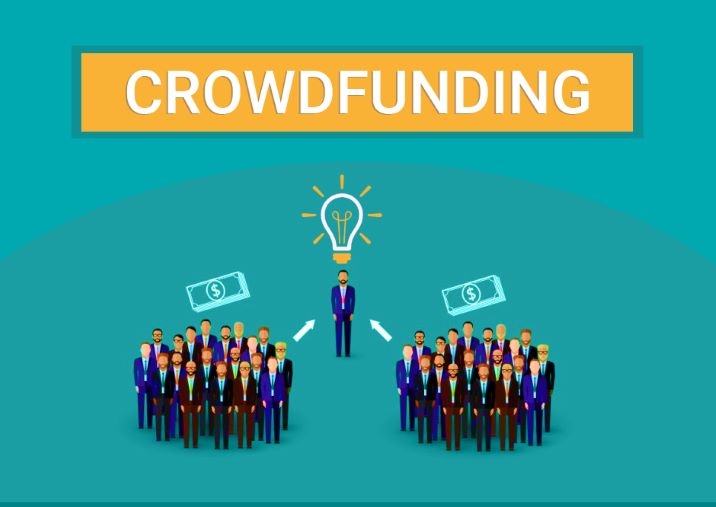
Crowdfunding investment refers to the practice of pooling small amounts of capital from multiple individuals to fund projects, businesses, or initiatives. This model has gained traction as an alternative to traditional financing methods, enabling entrepreneurs, creators, and organizations to access funding while offering investors opportunities to support ventures aligned with their interests. However, like any investment approach, it carries inherent risks and requires careful evaluation. This article explores the foundational concepts, motivations, strategies, and considerations associated with crowdfunding investment.
II. Core Concepts and Mechanisms
Crowdfunding operates through digital platforms that connect funders with project creators or businesses seeking capital. Investors contribute funds in exchange for various returns, which may include rewards (e.g., products or services), equity stakes, or debt repayment with interest. The process typically involves:
- Project Proposals: Creators outline their goals, budgets, and expected outcomes.
- Funding Campaigns: Investors assess proposals and decide whether to contribute.
- Post-Funding Execution: Successful campaigns proceed with implementation, with updates shared to maintain transparency.
Different crowdfunding models exist, such as reward-based (receiving non-monetary benefits), equity-based (owning a share of the venture), and debt-based (lending money with repayment terms). Each model carries distinct implications for risk and return.
III. Motivations and Objectives
For investors, crowdfunding offers opportunities to diversify portfolios, support innovative ideas, or align with personal values (e.g., sustainability or community projects). For project creators, it provides a means to validate ideas, raise capital without traditional loans, and engage directly with supporters.
However, motivations vary widely. Some investors seek financial returns, while others prioritize social impact or creative collaboration. Understanding these objectives is critical for aligning expectations with the chosen crowdfunding model.
IV. Strategic Approaches
Investors may adopt strategies such as:
- Diversification: Allocating funds across multiple projects to mitigate risk.
- Due Diligence: Researching the credibility of creators, market demand, and feasibility of the proposed venture.
- Risk Assessment: Evaluating the likelihood of success based on historical data, team expertise, and industry trends.
Creators, meanwhile, must focus on clear communication, realistic fundraising goals, and post-campaign execution plans to build trust and ensure deliverables.
V. Selection Criteria and Timing
Choosing projects to invest in or fund depends on factors such as:
- Market Potential: The viability and scalability of the proposed idea.
- Creator Reputation: Track record, transparency, and responsiveness.
- Campaign Structure: Clear timelines, budget breakdowns, and contingency plans.
Timing is less about specific dates and more about aligning with the project’s development stage and the investor’s capacity to commit.
VI. Risk Management
Crowdfunding investments carry risks, including:
- Project Failure: Many ventures do not meet their goals or deliver promised returns.
- Liquidity Constraints: Returns may take years to materialize, if at all.
- Regulatory Uncertainties: Legal frameworks vary by jurisdiction, affecting investor protections.
Mitigation strategies include limiting exposure to high-risk projects, maintaining a balanced portfolio, and staying informed about platform policies and legal requirements.
VII. Common Misconceptions and Pitfalls
- Overestimating Returns: Assuming high profits without considering failure rates.
- Neglecting Due Diligence: Relying solely on campaign materials without independent research.
- Ignoring Exit Strategies: Failing to plan for scenarios where the project underperforms.
Avoiding these pitfalls requires patience, critical analysis, and a realistic understanding of crowdfunding’s limitations.
VIII. Tools and Resources
While this article does not endorse specific platforms or tools, general resources for crowdfunding include:
- Research Platforms: Websites offering market analysis or industry reports.
- Educational Content: Guides on crowdfunding best practices, risk evaluation, and legal considerations.
- Community Forums: Online discussions where investors and creators share experiences.

IX. Frequently Asked Questions (FAQ)
Q1: What are typical returns for crowdfunding investments?
Returns vary widely depending on the model (e.g., equity dividends, reward value, or debt repayment) and the success of the funded project.
Q2: How are risks managed in crowdfunding?
Risks are managed through diversification, thorough research, and adherence to platform guidelines. However, no investment is entirely risk-free.
Q3: Can investors exit their positions easily?
Exit options depend on the crowdfunding type. Equity-based investments may allow resale, while reward-based models typically offer no liquidity.
X. Conclusion
Crowdfunding investment presents a unique intersection of opportunity and risk, appealing to those who value innovation, community engagement, or alternative financing methods. While it can complement traditional investment strategies, its success hinges on informed decision-making, realistic expectations, and ongoing monitoring. As with any financial endeavor, individual circumstances and risk tolerance should guide participation.
Disclaimer
This article provides general information about crowdfunding investment and does not constitute financial, legal, or investment advice. Readers are encouraged to conduct independent research and consult qualified professionals before making decisions.
Related Articles
Scholarships in the United Kingdom for International Students
Apr 8, 2026 at 6:46 AM
Scholarships in Canada 2026: Full Opportunities and Pathways
Apr 8, 2026 at 6:43 AM
Redefining Retirement: Modern Senior Living's Evolution
May 22, 2025 at 9:10 AM
Understanding Private Client Checking Account Bonuses
May 19, 2025 at 5:36 AM
Canada’s Tax Credits and Benefits: A Guide for 2025
Nov 14, 2025 at 11:10 AM
This Tax Breaks Bill Really Puts Money Back in Your Pocket
Jul 10, 2025 at 5:47 AM
Personal Loans: A Guide to Understanding and Managing Financial Solutions
May 14, 2025 at 7:59 AM
How to Manage Your Finances Online: A Neutral Overview
May 8, 2025 at 7:11 AM
How to Get a Christmas Loan: A Step-by-Step Guide
Oct 15, 2025 at 6:44 AM
Hard Money Lending: How It Works and How to Use It to Secure Fast Real Estate Financing
Nov 18, 2025 at 6:24 AM
Unlock Your Financial Legacy: Insider Secrets to Masterful Wealth Management
Jul 7, 2025 at 5:50 AM
Step-by-Step: Applying for CDL Training Grants
Jun 23, 2025 at 6:43 AM
Credit Cards Demystified: How to Evaluate Options and Terms
May 19, 2025 at 6:35 AM
Personal loans in Australia — a clear, online-first guide
Oct 21, 2025 at 6:15 AM
VA Loan Eligibility and Application Requirements
Jun 3, 2025 at 7:09 AM
Medical and Nursing Scholarships in Europe: Access, Aid, and Impact
Apr 8, 2026 at 6:51 AM
Medicare Advantage (MA) Plans: A Guide for Adults Aged 65 and Older in the United States
Jan 21, 2026 at 7:25 AM
Invest in Silver: A Friendly Beginner’s Roadmap
Jul 14, 2025 at 7:39 AM
Understanding Dividend Stocks: What You Need to Know
Nov 13, 2025 at 5:39 AM
Balancing repayment flexibility and financial stability for micro loans
May 16, 2025 at 10:00 AM
💰 Non-Bank Loan AU: How to Get Approved for Alternative Financing in Australia
Nov 13, 2025 at 8:26 AM
Understanding SMS Loan Services: A Comprehensive Guide
May 8, 2025 at 6:43 AM
Blacklist Loans: Loan Solutions for Poor Credit
Jun 25, 2025 at 9:36 AM
Your Guide to Oil Stocks: Understanding the Energy Sector
Mar 3, 2026 at 3:34 AM
Easy and Low-Cost Cryptocurrency Trading in the U.S. & Switzerland
Aug 4, 2025 at 3:20 AM
How to Invest in Foreign Stocks: A Neutral Guide to International Exposure
May 14, 2025 at 10:26 AM
Understanding Online Loans
Jun 17, 2025 at 2:41 AM
Mortgage Payment Too High? Learn How to Lower Your Monthly Payment and Consolidate Debt
Apr 2, 2026 at 10:23 AM
Unlock the Power of VA Home Loans: Everything Veterans Need to Know
Oct 13, 2025 at 3:11 AM
Gold Investment: Comprehensive Understanding of Fundamental Principles and Strategies
May 21, 2025 at 6:43 AM


This website only serves as an information collection platform and does not provide related services. All content provided on the website comes from third-party public sources.Always seek the advice of a qualified professional in relation to any specific problem or issue. The information provided on this site is provided "as it is" without warranty of any kind, either express or implied, including but not limited to the implied warranties of merchantability, fitness for a particular purpose, or non-infringement. The owners and operators of this site are not liable for any damages whatsoever arising out of or in connection with the use of this site or the information contained herein.