

A Guide to the Outdoor Kitchen: Expanding Your Living Space
An outdoor kitchen is more than just a grill moved to the patio. It's a thoughtfully planned extension of the home, designed for cooking, dining, and entertaining in the open air. This guide offers an overview of what an outdoor kitchen entails, helping you understand the considerations involved. We will first define what an outdoor kitchen is and outline the two main approaches: fixed and mobile. Next, we'll cover the core considerations for building one, from material choices to utility planning. The guide will then explore the functional benefits and various uses of an outdoor kitchen. Finally, a question-and-answer section will address some common practical queries.
What is an Outdoor Kitchen?
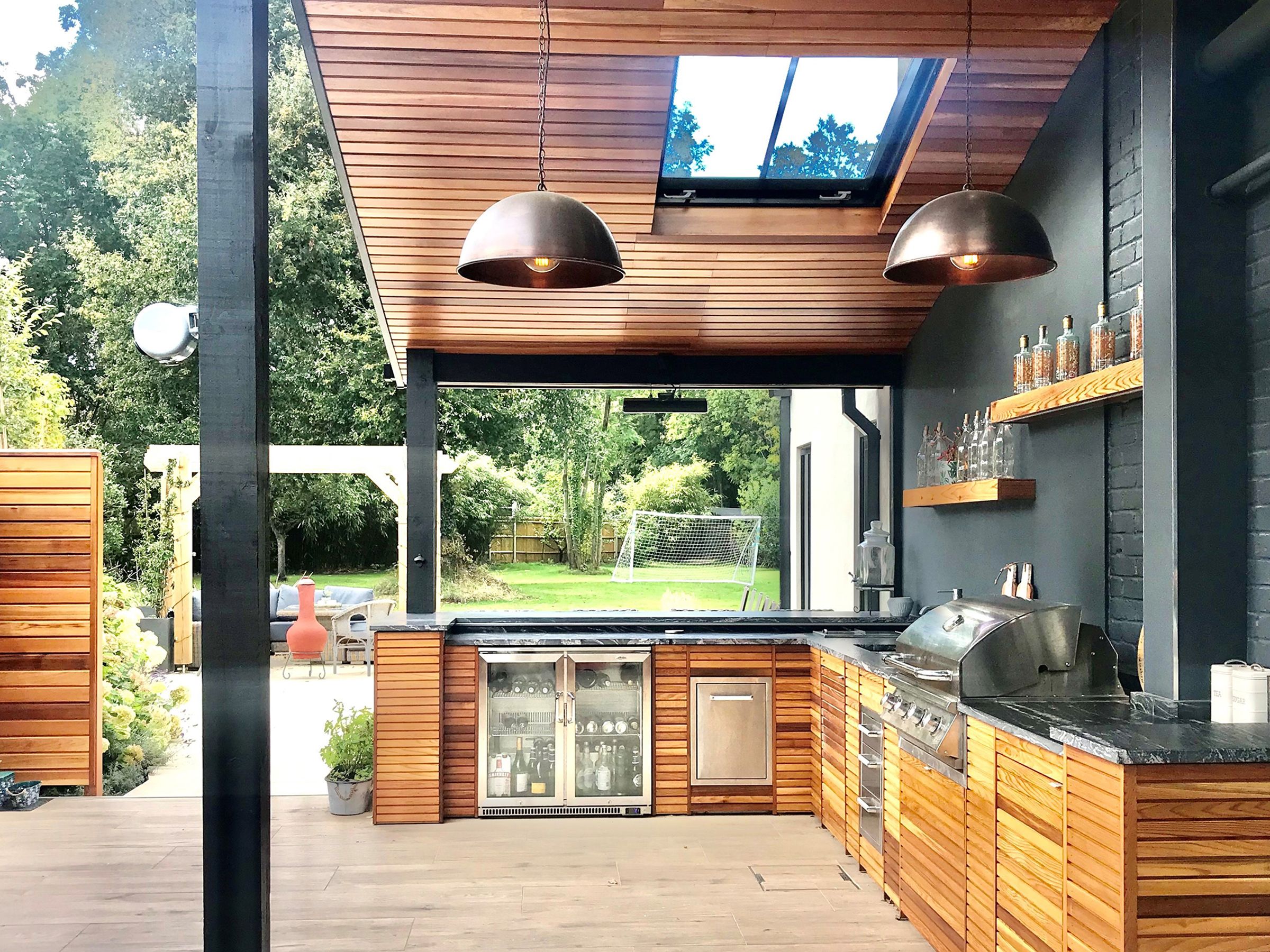
An outdoor kitchen is a dedicated cooking and preparation area located outside the main dwelling. It transforms a simple backyard into a functional living space, much like how a tiny house on wheels redefines the concept of a home. The core appeal lies in blending domestic comfort with the outdoor environment. These spaces can range from a basic, movable cart to a fully built-in structure with permanent utilities. The choice often comes down to two main philosophies, similar to the distinction between mobile and stationary tiny homes.
| Feature | Mobile Outdoor Kitchen | Fixed (Built-In) Outdoor Kitchen |
|---|---|---|
| Foundation & Flexibility | Freestanding on wheels or a movable cart; can be relocated or stored. | Built on a permanent foundation (concrete slab, deck); fixed location. |
| Typical Components | A grill on a cart, portable side burners, foldable tables, modular storage bins. | Integrated grill, cabinetry, countertops, sinks, refrigeration, and sometimes appliances like pizza ovens. |
| Design & Investment | Lower initial investment; design is limited to the chosen portable units. | Higher initial investment; allows for full customization to match home architecture and personal needs. |
| Key Considerations | Requires storage space; limited weather protection; easy to change or upgrade. | Subject to local building codes and permits; requires planning for utilities (gas, water, electric). |
Building the Core: Key Considerations
Moving from an idea to a functional outdoor kitchen involves several important decisions, mirroring the deliberate planning seen in compact living spaces.
1.Material Selection for Durability: Unlike indoor kitchens, every component must withstand sun, rain, and temperature fluctuations. Stainless steel is a common choice for appliances and sinks due to its rust resistance. Countertops are often made from granite, tile, or concrete for durability. Cabinetry designed for outdoors uses materials like marine-grade polymer or powder-coated aluminum that won't warp or rust.
2.Layout and Function Zones: Efficiency is paramount, especially in smaller spaces. A well-planned layout typically includes distinct zones for prepping, cooking, and serving. This "work triangle" concept prevents a cramped feeling, similar to how efficient tiny home layouts maximize every inch. Ample counter space next to the grill is highly recommended.
3.Utility Connections: This is a major differentiator between simple and comprehensive setups. A fixed kitchen often requires professional installation of:
- Fuel Source: A natural gas line or a large, fixed propane tank.
- Electricity: For lighting, outlets (for small appliances), and any refrigeration.
- Water: A cold-water line to a sink is a significant convenience, requiring a drain or connection to a greywater system.
The "Al Fresco" Experience: Uses and Functionality
An outdoor kitchen changes how people use their property, offering benefits that extend beyond cooking.
- Entertainment and Social Hub: It naturally becomes a focal point for gatherings. Hosts can cook while interacting with guests, making entertaining more fluid and inclusive.
- Expanding Livable Space: It effectively adds a "room" to the home during warmer months. This can be for family meals, a quiet morning coffee, or a dedicated space for hobbies that are messy, like canning or grilling large cuts of meat.
- Practicality for Specific Cooking: Some cooking methods are ideally suited for outdoors. Smoke meats, baking in a wood-fired pizza oven, or frying foods that create odors and grease are all excellent reasons for an external cooking area.
- Potential to Support Other Structures: For properties with secondary dwellings like a guest house, pool cabana, or even a tiny house used as an accessory dwelling unit (ADU), an outdoor kitchen can serve as a shared amenity, adding value and functionality.
Questions and Answers
What is the typical cost range for an outdoor kitchen?
Costs vary widely based on size, materials, and appliance choices. A high-end, professionally installed fixed kitchen with premium appliances, stone countertops, and full utilities can represent a significant investment. More modest setups or quality modular kits offer lower-cost entry points. It is often advisable to set a budget early and prioritize the most important features.
Are permits required to build one?
For fixed structures, especially those with plumbing or permanent electrical work, checking with local building authorities is essential. Zoning regulations and building codes can influence the project's size, location, and what utilities can be installed. For mobile setups on carts, permits are generally not required.
How is an outdoor kitchen maintained?
Regular maintenance is key to longevity. This includes covering appliances when not in use, cleaning grease from surfaces and grills, and winterizing plumbing in climates with freezing temperatures. Choosing materials designed for outdoor use from the start reduces long-term upkeep.
Can it be used year-round?
This depends heavily on climate. In mild climates, year-round use is possible. In areas with harsh winters, usage is seasonal. Some homeowners incorporate features like pergolas, retractable awnings, or outdoor heaters to extend the usable season. Properly winterizing appliances and plumbing is crucial in cold regions to prevent damage.
What are the safety considerations?
Safety is paramount. Grills and other heat sources should be placed away from flammable structures and overhanging branches. Ensuring proper ventilation for gas appliances is critical. For fixed kitchens with electrical outlets, they must be GFCI (Ground Fault Circuit Interrupter) protected to prevent shock hazards. A fire extinguisher should be readily accessible.
Summary
An outdoor kitchen presents an opportunity to enhance a home's functionality and leisure potential by moving the heart of the home outside. Whether opting for the flexibility of a mobile cart or the permanence of a custom-built installation, successful planning revolves around durable material choices, efficient layout, and practical utility considerations. As with any home improvement project that alters property use, understanding local regulations is an important first step. For those considering this addition, focusing on how the space will be used most often can help guide decisions toward a practical and enjoyable result.
References:
- https://www.hgtv.com/decorating/kitchens/building-an-outdoor-kitchen
- https://www.thespruce.com/building-an-outdoor-kitchen-4779117
- https://www.homedepot.com/c/ah/how-to-plan-an-outdoor-kitchen/9ba683603be9fa5395fab901f872faf0
- https://www.thisoldhouse.com/yards/how-to-build-an-outdoor-kitchen
- https://www.napoleon.com/en/us/grills/discover/features/stainless-steel-construction
- https://graniteselection.com/blog/concrete-countertops-vs-granite-which-one-is-better/
- https://www.kingplastic.com/elite-outdoor-kitchens/
- https://www.archiproducts.com/en/products/outdoor-kitchens/material_powder-coated-aluminium
- https://www.eaton.com/content/dam/eaton/products/residential/electrical-safety/nec-code-210-8-gfci-protection-for-outdoor-outlets.pdf
- https://docinfofiles.nfpa.org/files/AboutTheCodes/54/TIA_54_24_1.pdf
- https://www.firemagicstore.com/pdf/manuals/Choice/CHOICE_BuiltIn.pdf
- https://landscapeexpertsinc.com/permits-needed-outdoor-kitchen/
- https://www.homeadvisor.com/cost/outdoor-living/build-an-outdoor-kitchen/
- https://www.thespruce.com/outdoor-kitchen-cost-7504600
- https://rtaoutdoorliving.com/winterize-outdoor-kitchen-sink-how-to/
Related Articles
A Guide to Starting and Advancing a Painting Career in the United States
Jan 28, 2026 at 8:59 AM
Hong Kong Voluntary Health Insurance Scheme (VHIS): Enhanced Protection for People Aged 50 and Above
Dec 3, 2025 at 8:51 AM
Choosing the Right Dental Braces: A Guide for All Ages
Sep 11, 2025 at 3:05 AM
Customs Officer Careers: Duties, Skills, and Application Basics
Nov 17, 2025 at 10:19 AM
Legal Consultation in the U.S.: How to Protect Your Rights in the Nation of Lawsuits
Dec 3, 2025 at 9:22 AM
Commercial Roof Replacement
Mar 14, 2025 at 9:13 AM
Why Custom / Online-Designed Greeting Cards Matter — Feeling Personal, Effortless, and Stylish
Nov 26, 2025 at 8:11 AM
Your Guide to Booking a Private Jet for Your Next Getaway
Dec 11, 2025 at 9:50 AM
Reliable U.S. Home Care Guide: Professional Care for Peace of Mind at Home
Nov 24, 2025 at 9:06 AM
Break from Debt: Your Guide to Relief Programs
Jul 21, 2025 at 7:20 AM


This website only serves as an information collection platform and does not provide related services. All content provided on the website comes from third-party public sources.Always seek the advice of a qualified professional in relation to any specific problem or issue. The information provided on this site is provided "as it is" without warranty of any kind, either express or implied, including but not limited to the implied warranties of merchantability, fitness for a particular purpose, or non-infringement. The owners and operators of this site are not liable for any damages whatsoever arising out of or in connection with the use of this site or the information contained herein.