

A Comprehensive Guide to Mammography and Breast Cancer Prevention
Mammography is the core imaging screening tool used in the United States for the early detection of breast cancer, capable of identifying subtle abnormal changes before obvious symptoms appear. Understanding the procedure of this examination, the differences in technology, and related health management knowledge can aid in better health planning. This guide will systematically introduce you to information about mammography in the United States, including technical types, screening guidelines, the examination process and result interpretation, and provide practical information on how to schedule screening, choose service providers, and learn about related prevention knowledge.
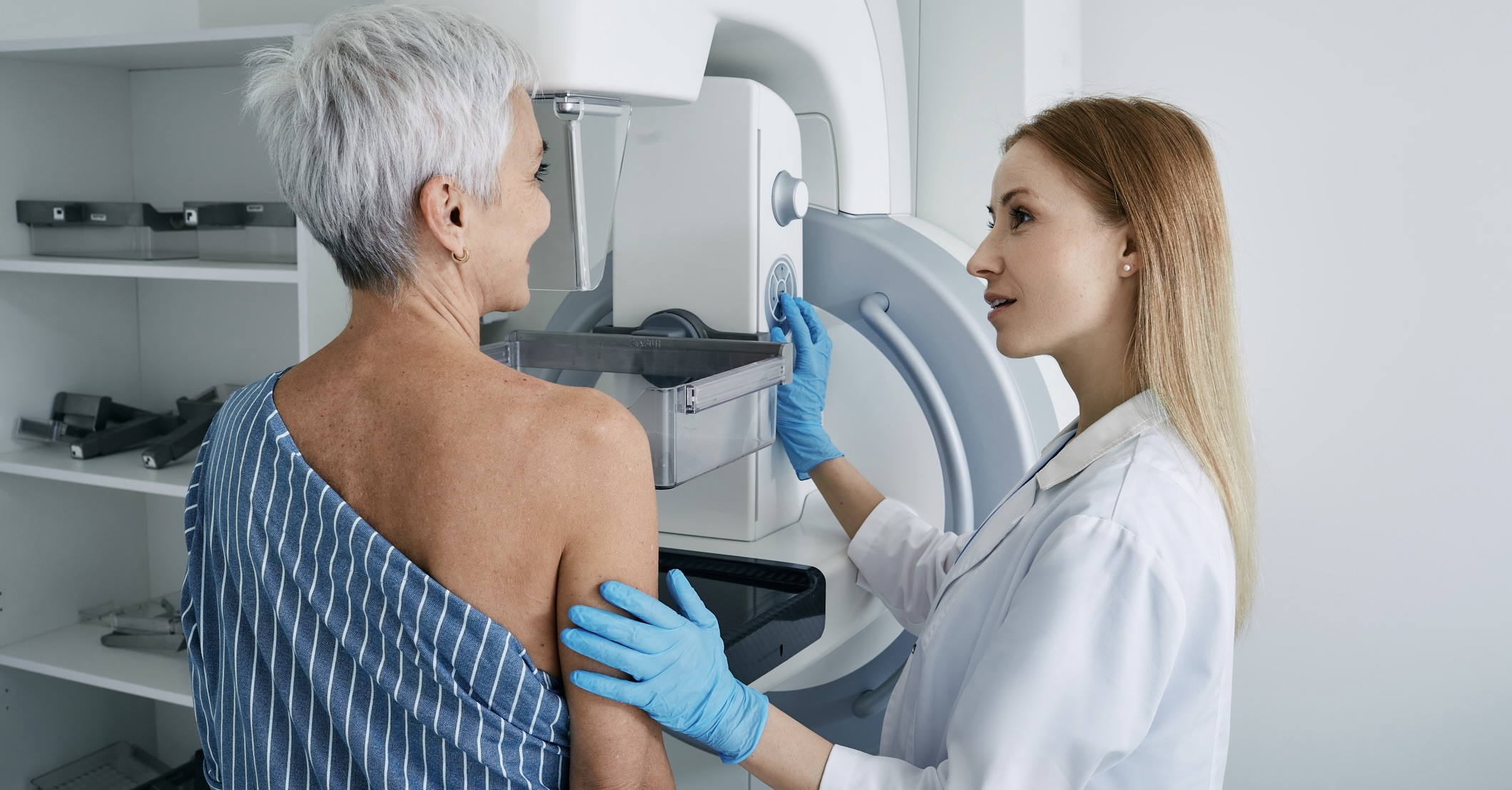
1. Screening Technology: What's the Difference Between 2D and 3D?
Mammography uses low-dose X-rays to image breast tissue. Based on the technical principles, it is mainly divided into the following two types:
| Technology Type | Working Principle & Characteristics | Applicable Situations |
|---|---|---|
| 2D Digital Mammography | Generates two-dimensional flat images and is the most widely used standard screening technology. | Suitable for general population screening, a mature and highly accessible technology. |
| 3D Digital Breast Tomosynthesis | Synthesizes a series of thin-layer images from multiple angles to form a three-dimensional view. Can reduce tissue overlap, improve cancer detection rates, and lower "false positive" recall rates. | Provides clearer imaging for dense breast tissue and is gradually becoming the standard or preferred option at many imaging centers. |
2. Screening Guidelines: When Should I Start?
Several authoritative organizations in the United States have developed screening recommendations based on research evidence. Recommendations vary slightly between organizations, with age and risk level as the core reference.
1.General Risk Population (no significant family history, known genetic mutations, or related medical history):
- The U.S. Preventive Services Task Force (USPSTF) recommends starting screening at age 40 and continuing every two years.
- The American Cancer Society (ACS) recommends that women aged 40 to 44 have the choice to start annual screening; those 45 to 54 should get screened annually; and those 55 and older can switch to screening every two years or continue yearly screening.
2.High-Risk Population (e.g., with a first-degree relative history, carrying BRCA1/2 gene mutations, etc.):
- It is usually recommended to start screening earlier (possibly before age 40) and may require more frequent screening or monitoring combined with breast MRI. An individualized plan should be developed with a doctor.
3. Examination Process and Result Interpretation
A standard screening experience typically includes the following steps:
- Registration and Preparation: Upon arrival at the imaging center, you will register and be asked to remove clothing from the upper body and put on an examination gown. On the day of the exam, please avoid using deodorant, talcum powder, lotion, or perfume under your arms or on your breasts to prevent interference with the images.
- Image Acquisition: A radiologic technologist will assist you in positioning your breast on the examination platform. To obtain clear images and reduce radiation dose, the device will briefly compress the breast, with each compression typically lasting from a few seconds to over ten seconds.
- Reporting and Communication: The images are interpreted by a radiologist. Reports often use the BI-RADS (Breast Imaging-Reporting and Data System) for classification (categories 0-6), which guides the next steps (such as routine follow-up, short-term re-examination, or recommended biopsy).
4. How to Schedule and Choose a Screening Facility in the United States?
In the United States, you can schedule appointments and make choices through the following main pathways:
- Through a Primary Care Physician or Gynecologist: This is the most common pathway. A doctor can assess your personal risk, write an order (prescription) for the exam, and recommend a reliable imaging diagnostic center.
- Contact an Imaging Center or Hospital Directly: You can search for and contact an imaging center accredited by the American College of Radiology to schedule an appointment. Many centers allow online or phone scheduling.
- Utilize Health Insurance:The Affordable Care Act requires most health insurance plans to cover the cost of preventive mammograms that meet guidelines, usually without out-of-pocket costs (co-pay or deductible).It is recommended to contact your insurance company in advance to confirm in-network facilities, covered screening frequency, and whether pre-authorization is needed.
- Factors to Consider When Choosing a Facility:Accreditation and Expertise: Prioritize facilities accredited as a Breast Imaging Center of Excellence by the American College of Radiology, indicating they meet high-quality standards in personnel, equipment, and technology.Equipment and Technology: Inquire if 3D Digital Breast Tomosynthesis technology is available.Location and Reviews: Consider交通 convenience and refer to reviews from other patients.
5. Beyond Screening: Modifiable Risk Reduction Factors
Screening aims for early detection, while "prevention" focuses on reducing the risk of developing the disease. Although some risk factors cannot be changed, research indicates that some lifestyle adjustments are associated with a reduced risk of breast cancer.
- Maintain a Healthy Weight: Especially after menopause, being overweight or obese increases risk.
- Engage in Regular Physical Activity: It is recommended to get at least 150 minutes of moderate-intensity exercise per week.
- Limit or Avoid Alcohol Consumption: Research shows that drinking alcohol increases risk, and the risk rises with the amount consumed.
- Use Hormone Therapy Cautiously: Long-term use of combined hormone therapy to relieve menopausal symptoms may increase risk. If needed, discuss with your doctor to use the lowest effective dose for the shortest duration.
- Know Your Family History and Consider Genetic Counseling: If multiple family members have had breast or ovarian cancer, it may be related to genetic factors. Consult a doctor about whether genetic risk assessment is needed.
6. Frequently Asked Questions
Q: Is it normal to feel discomfort or pain during the exam?
A: Yes, compressing the breast tissue can cause brief discomfort or pain, especially when breasts are more sensitive before menstruation. This discomfort usually subsides quickly after the compression is released. You can inform the technologist of your level of discomfort, and they may assist with adjustment.
Q: What is "dense breast tissue"? What should I do if I receive this notification?
A: Dense breast tissue refers to breasts having more glandular tissue and less fatty tissue, which is a normal condition for many women. Dense breasts can make it harder to spot cancer on a mammogram and are themselves a mild risk factor. Laws in many U.S. states require that you be notified in writing if your screening shows you have dense breasts. Upon receiving this notification, you should discuss with your doctor what this means for you personally and whether adding ultrasound or MRI as supplemental screening is necessary.
Q: If my screening result is abnormal (e.g., BI-RADS category 4), does it mean I have cancer?
A: Not necessarily. BI-RADS category 4 indicates suspicious abnormalities are found, recommending biopsy for clarification. However, not 100% of cases recommended for biopsy are ultimately confirmed as cancer. Therefore, it is an important signal requiring further diagnostic clarification, not a final verdict.
Q: Do men also need breast cancer screening?
A: Men can also develop breast cancer, but it is very rare (about 1% of all breast cancer cases). Routine screening is generally not recommended for men. However, if a man discovers any abnormal changes in the breast area, such as a painless lump, skin changes, or nipple discharge, they should seek medical examination promptly.
Sources and Data References:
- https://www.cancer.org/cancer/breast-cancer/screening-tests-and-early-detection/mammograms.html
- https://www.uspreventiveservicestaskforce.org/uspstf/recommendation/breast-cancer-screening
- https://www.acr.org/Clinical-Resources/Reporting-and-Data-Systems/Bi-Rads
- https://www.fda.gov/radiation-emitting-products/mammography/overview-mammography
- https://www.cdc.gov/cancer/breast/basic_info/screening.htm
- https://www.nccn.org/patients/resources/patient-guidelines/guidelines-for-patients-breast
- https://www.cdc.gov/cancer/breast/dense-breast-tissue.htm
- https://www.cancer.gov/types/breast/patient/breast-screening-pdq
Related Articles
고혈압 치료 접근 방법|진단 기준, 운동 방법, 병원 선택까지 실용적으로 정리한 핵심 정보
May 26, 2026 at 6:32 AM
Fatty Liver and Pancreas Dysfunction: Early Warning Signs and Interventions
May 27, 2026 at 7:12 AM
허리 관절염 치료 선택의 기준과 척추 건강을 지키는 다각적 관리 방안
May 25, 2026 at 7:27 AM
Understanding Online DNA Tests: What You Need to Know Before You Spit
Jul 28, 2025 at 7:13 AM
Laser Liposuction Cost in Canada in 2026: Prices, Treatment Areas and What to Know
Nov 5, 2026 at 9:24 AM
Portable Oxygen Concentrator: How to Choose the Right Device, Costs, Features and Options
Sep 1, 2026 at 10:20 AM
불면증 치료 방법과 수면장애 원인 분석을 통한 수면 질 개선 방법
May 22, 2026 at 8:34 AM
고지혈증 치료 가이드 LDL 관리와 혈중지질 개선 전략
Jun 8, 2026 at 6:34 AM
男性用避妊薬の動向と選択肢|需要と現状の整理
May 25, 2026 at 6:39 AM
歯のインプラント費用の差はなぜ生まれる?知らないと損する選び方
May 22, 2026 at 7:29 AM
Pain Relief: Discover Natural Solutions That Work
Jul 20, 2026 at 8:05 AM
AGA 치료 비용 고민을 덜어주는 효과적인 관리법과 약물 선택 가이드
May 15, 2026 at 4:10 AM
Metformin Precautions: Guidelines for Safe Use
May 27, 2026 at 8:28 AM
Levothyroxine Explained for Easy Thyroid Care
May 27, 2026 at 7:13 AM
남성 불임 치료|정자 검사부터 인공수정·시험관 아기까지 진단과 치료 과정 이해
May 20, 2026 at 6:45 AM
New Treatments for ER-Positive Breast Cancer: Advances in Targeted Therapy and Personalized Care
May 27, 2026 at 8:31 AM
Fatty Liver Disease Treatments: Vitamin E, Pioglitazone, and What Patients Should Know
May 29, 2026 at 7:39 AM
Metformin and Male Reproductive Health: Hormonal Balance, Fertility, and Clinical Research
May 29, 2026 at 7:32 AM
무릎 통증 치료를 고민하는 사람들이 놓치기 쉬운 원인과 관리 방법 그리고 치료 선택 기준
May 15, 2026 at 3:45 AM
허리 관절염 치료 가이드 약물 치료와 비수술 시술 차이점 분석
May 28, 2026 at 8:01 AM
백내장 수술 후 합병증 가능성과 예방 방법, 수술 전후 관리 기준을 중심으로 자세히 알아보기
May 25, 2026 at 7:18 AM
坐骨神経痛の原因と症状から治療と日常ケアまで理解するための実践ガイド
May 22, 2026 at 7:40 AM
Free LPN Training Programs in the U.S.: A Practical Guide to Starting Your Nursing Career
Jul 8, 2026 at 7:48 AM
당뇨 합병증 예방과 관리, 경제적 부담을 줄이는 체계적인 대응 전략
May 15, 2026 at 7:51 AM
비뇨기과 치료 과정에 대한 심도 있는 이해와 주요 질환별 관리 및 대응 전략
May 13, 2026 at 8:08 AM
남성불임 치료, 강남우성한의원과 제이윤한의학임신클리닉 비교 가이드
May 20, 2026 at 7:02 AM
Kaiser Permanente Medical Assistant Training Program Guide
Jun 17, 2026 at 2:56 AM
류마티스 통증 주사제 종류와 효과적인 관절 관리 가이드
May 15, 2026 at 7:31 AM
당뇨병 초기 증상: 놓치기 쉬운 7가지 신호 알아보기
May 15, 2026 at 6:39 AM
Understanding HIV Treatment Options and Management Strategies
May 27, 2026 at 7:31 AM


This website only serves as an information collection platform and does not provide related services. All content provided on the website comes from third-party public sources.Always seek the advice of a qualified professional in relation to any specific problem or issue. The information provided on this site is provided "as it is" without warranty of any kind, either express or implied, including but not limited to the implied warranties of merchantability, fitness for a particular purpose, or non-infringement. The owners and operators of this site are not liable for any damages whatsoever arising out of or in connection with the use of this site or the information contained herein.